

How Integrated Payments Work
Switching to integrated payments improves efficiency by automating payment processing within existing systems. Here’s how it works:
- Step 1: A customer selects a payment method (credit card, debit card, ACH transfer, or mobile wallet).
- Step 2: The system processes the payment instantly.
- Step 3: Transaction details update in the business’s accounting or CRM system.
- Step 4: Funds are settled and deposited into the merchant’s account.
B2B payment processing ensures smooth transactions, reducing errors and improving financial tracking.
Integrated Payments vs. Traditional Payment Processing
Integrated payments automate transactions, reducing errors and delays. Traditional systems require manual entry, increasing inefficiencies. Businesses using integrated payment systems enjoy mobile payment processing, faster checkouts, real-time data syncing, and flexible payment options, leading to higher customer satisfaction and increased sales.
| Feature | Integrated Payments | Traditional Payment Processing |
| Process Efficiency | Automates transactions | Requires manual entry |
| Customer Service | Faster checkouts | Longer wait times |
| Customization | Offers tailored solutions | Limited flexibility |
| Data Accuracy | Reduces errors | Prone to discrepancies |
| Consumer Preference | Widely preferred | Can lead to lost sales |
| Investment | 57% of SMBs investing | Often outdated |
| Data Management | Real-time syncing | Separate processes |
| Service Providers | Customizable solutions | Generic options |
Key Features of Integrated Payment Systems
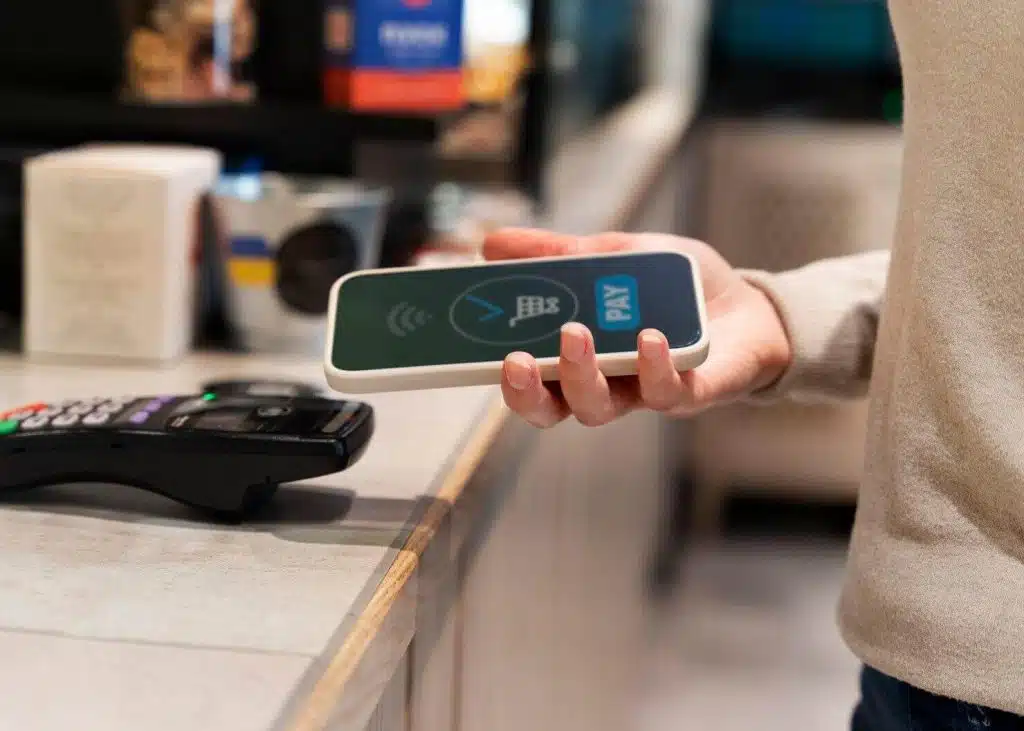
Integrated payment systems bring automation, security, and multi-channel payment options into business operations.
Automation and Efficiency
These systems eliminate manual data entry, ensuring real-time transaction history updates. Businesses benefit from faster checkouts and reduced errors, while mobile and online payment integration ensures seamless transactions.
Enhanced Security and Compliance
Integrated payment solutions use PCI compliance and encryption to safeguard data. Advanced security protocols analyze transactions to minimize fraud risks.
Multi-Channel Payment Acceptance
Support for credit cards, debit cards, ACH transfers, and mobile wallets ensures businesses meet customer preferences and avoid lost sales.
Real-Time Reporting and Data Syncing
Automated syncing keeps sales data updated instantly, providing businesses with real-time insights for smarter decision-making.
Benefits of Integrated Payments for Businesses
Integrated payment systems offer smoother transactions, improved cash flow, and enhanced customer satisfaction.
Improved Cash Flow Management
Faster payment processing means businesses receive funds quickly, improving cash flow and financial transparency.
Better Customer Experience
Speedy checkouts and multiple payment options enhance customer satisfaction, leading to higher conversion rates.
Reduced Administrative Work
Automating accounting and transaction reconciliation minimizes manual labor, allowing businesses to focus on growth and customer service.
Cost Savings and Transparency
Automation reduces accounting errors and labor costs while providing greater visibility into expenses, eliminating hidden fees.
Industries That Benefit from Integrated Payment Systems
Integrated payment systems revolutionize transactions across various industries, including retail, healthcare, professional services, hospitality, and B2B sectors. These systems streamline payments for a smoother customer and business experience.
Integrated payments improve efficiency across retail, healthcare, professional services, hospitality, and B2B sectors.
Retail and eCommerce
Retailers enjoy faster checkouts and automated accounting, while online businesses gain insights into purchasing trends and inventory management. Enhanced payment flexibility also supports omnichannel sales strategies, improving customer engagement.
Healthcare and Professional Services
Secure, efficient transactions simplify billing for medical and professional services, improving customer convenience. Integrated payment solutions also support recurring billing for subscription-based services, enhancing revenue stability.
B2B Payment Processing
Businesses streamline transactions with ACH transfers, digital invoicing, and credit card processing, boosting efficiency and cash flow. Integrated invoicing solutions reduce payment delays and improve accounts receivable management.
Hospitality and Travel
Integrated payment solutions optimize accounting and payment processing, reducing wait times and enhancing guest experiences. Contactless payments and mobile checkouts contribute to seamless guest interactions, elevating overall service quality.
How to Implement Integrated Payments in Your Business
Implementing integrated payments starts with evaluating your business needs to ensure a smooth transition. By following the steps below, you can improve efficiency and reduce errors in financial transactions.
Step 1 – Assess Your Business Needs
Identify transaction inefficiencies and determine which payment methods best suit your customers. Understanding customer payment preferences helps tailor the integration for maximum usability.
Step 2 – Choose the Right Integrated Payment Provider
Select a provider offering seamless online payment integration, accounting synchronization, and customization options. Comparing pricing models, security features, and customer support can help ensure a well-suited partnership.
Step 3 – Integrate with Your Existing Business Software
Connect payment systems with accounting, CRM, and inventory management tools to enhance efficiency. A well-integrated system allows for real-time data exchange, improving decision-making and reporting accuracy.
Step 4 – Train Your Staff and Optimize Usage
Ensure employees understand the system to maximize productivity and improve customer service. Proper training reduces errors, enhances user adoption, and ensures a smooth transition to the new system.
Future Trends in Integrated Payments
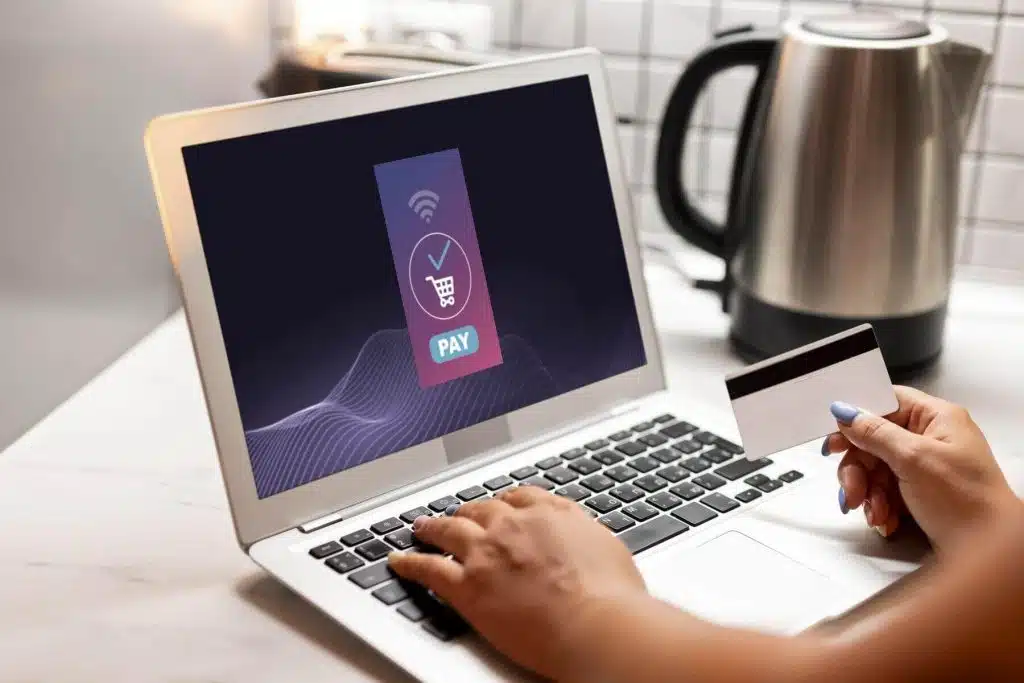
The landscape of integrated payments is constantly evolving. Innovations in AI, blockchain, and embedded SaaS solutions are setting the stage for more secure and efficient transactions.
AI and Machine Learning in Payment Processing
AI enhances fraud prevention, automates reconciliation, and optimizes payment workflows. Predictive analytics help businesses identify transaction patterns, detect anomalies, and improve risk management. AI-powered chatbots also streamline payment-related customer interactions.
Blockchain and Cryptocurrency Integration
Blockchain provides secure, low-fee transactions, revolutionizing B2B and consumer payments. Decentralized finance (DeFi) solutions are gaining traction, offering businesses new opportunities for cross-border transactions without intermediaries. Smart contracts automate payment agreements, reducing disputes and increasing transaction transparency.
Embedded Payments in SaaS Platforms
Payment systems are increasingly embedded in software solutions, enabling seamless transactions within business applications. This trend simplifies payment processes for businesses and consumers alike, reducing friction and improving the overall user experience. Subscription-based services benefit from automated billing and enhanced financial tracking capabilities.
FAQs – Common Questions About Integrated Payments
How do integrated payments benefit businesses?
They improve efficiency, enhance customer experience, reduce errors, speed up cash flow, and support multiple payment methods.
What is an example of an integrated payment system?
A retail POS system that automatically records sales transactions in accounting software, updating inventory and financial records in real time.
Are integrated payments secure?
Yes, they use encryption, PCI compliance, and fraud detection tools to protect customer data and prevent unauthorized transactions.
What businesses should use integrated payment solutions?
Retail, eCommerce, healthcare, hospitality, professional services, and B2B companies benefit the most from integrated payment systems.
References
Worldpay. (2023). What are integrated payments? | Insights. Worldpay. Retrieved from https://www.worldpay.com/en/insights/articles/why-should-you-consider-an-integrated-payment-system
HighRadius. (2024). Integrated Payment Systems: Why You Should Use One. HighRadius. Retrieved from https://www.highradius.com/resources/Blog/guide-to-integrated-payments/
Shopify. (2023). Benefits of Integrated Payment Systems and How They Work. Shopify. Retrieved from https://www.shopify.com/retail/integrated-payments
Airwallex. (2024). What are integrated payments? 4 benefits for business. Airwallex. Retrieved from https://www.airwallex.com/blog/integrated-payments