


Alternative Payment Methods: A Comprehensive Guide
Long forgotten are the days when cash and cards were the only ways to pay for something. Nowadays, an abundance of innovative technological changes has brought upon spring and professional alternative payment methods that are becoming more popular due to their speed, efficiency, and reliance. The shift from traditional (seemingly slow and boring) credit card payments to cutting-edge digital solutions has opened up numerous advantages.
VELLIS NEWS
25 Mar 2025
By Vellis Team
Vellis Team
Automate your expense tracking with our advanced tools. Categorize your expenditures
Related Articles

Vellis News
6 October 2025
Central Bank Digital Currency – The Future of Money?
Money is evolving again. From coins and paper bills to online banking and mobile wallets, each transformation has changed how we trade, save, and interact economically. Today, one of the most significant shifts is on the horizon: central bank digital currency (CBDC).

Vellis News
12 April 2026
Key Payment Challenges for Beauty and Cosmetics Businesses
Running a beauty brand is an industry built on trust, aesthetics, and perhaps most importantly that feel-good factor. When a customer decides to treat themselves to a luxury skincare routine or a fresh set of highlights, they are looking for a moment of indulgence. That magic, however, often hits a brick wall at the checkout […]

Vellis News
22 September 2025
What’s the Best Payment Processing System for Chiropractic Clinics?
Helping patients achieve better mobility and health isn’t easy, but it will be more difficult if the business side of things don’t go smoothly. Choosing the best chiropractic payment processor can directly impact your clinic’s financial health, patient satisfaction, and even your compliance with healthcare regulations.
Understanding Alternative Payment Methods
To fully comprehend the sophisticated advantages of alternative payment methods, we ought to get the gist of what they are and what alternative online payment methods exist.
What Are Alternative Payment Methods?
Alternative payment methods (APMs) are innovative financial transaction methods that operate outside traditional banking systems. Instead of cards, there are digital wallets (PayPal, Apple Pay), cryptocurrencies (Bitcoin, Ethereum), and mobile payment apps (Venmo). APMs tend to offer faster and more reliable transactions, lower fees, enhanced security through safe encryption, and practical availability in comparison to traditional banking systems.
Why Alternative Payment Methods Are Gaining Popularity
APMs are conveniently growing in popularity due to their practicality in the e-commerce and digital transaction sectors. Lower costs, convenient usage, financial inclusion, increased digital adoption, and boosted security Additionally, as international payments have started embracing APMs more, there has been an expansion of financial technology or fintech solutions in terms of enhanced security solutions.
Types of Alternative Payment Methods
Digital Wallets & Mobile Payments
Digital wallets and mobile payment apps are super practical and they work by linking a bank account number or a card, and then paying via a designated app, website, or specialized wallet. The most popular examples include Apple Pay, Google Pay, and PayPAll and each of them offers enhanced security through encryption, faster transactions, and seamless integration with mobile devices.
Buy Now, Pay Later (BNPL) Solutions

Not many users are familiar with the BNPL solution despite their growing demand. Here users conduct a purchase and pay in installments usually without additional interest, Digital solutions such as Klarna, Afterpay, and Affirm thrive from this solution. This flexible payment method is preferred by many due to no interest needing to be paid within the agreed period.
Cryptocurrency & Blockchain Payments
Cryptocurrency and blockchain payments like Bitcoin, Ethereum, and stablecoins help facilitate transactions by offering decentralized payments without the need to go to banks. The rise of blockchain-based payment solutions has significantly enhanced the security and safety of transactions. However, there are certain regulatory concerns and adoption barriers present with some users.
Peer-to-Peer (P2P) Payment Platforms
P2P transactions assist in facilitating transactions with ease without interference from the banks by directly sending money through apps or digital wallets. Platforms such as Paypal P2P, Venmo or Cash App help conduct in-second and low-cost instant fund transfer which works towards reducing reliance on traditional banks.
Bank Transfer & Direct Debit Payments
SEPA payment has become utterly popular in Europe, while CH payments tend to dominate the USA and Faster Payments in the UK. These direct bank transfers for businesses and individuals offer a plethora of benefits including lower transaction fees, no hidden costs, faster settlements, and enhanced security.
Contactless & QR Code Payments
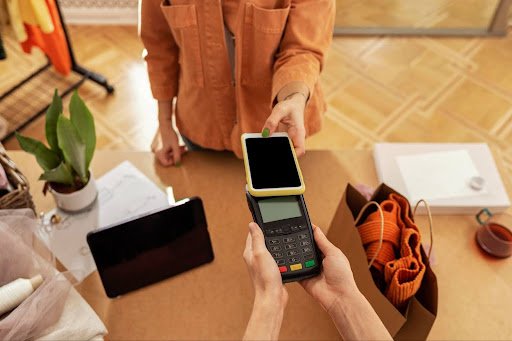
Contactless and QR code payments work by using an NFC (Near Field Communication chip through a smartphone or other device to wirelessly transmit payments. With the ongoing adoption in restaurants, public transport, and retail, these alternative methods including WeChat Pay and Alipay would soon dominate others.
Prepaid Cards & Virtual Cards
Besides the obvious differences of one being physical and the other digital-only, prepaid cards are easy to get lost and offer limited fund access and fraud prevention. With virtual cards there is absolute privacy included, an easier flow of transactions, and secure online purchasing is guaranteed.
Alternative Payment Methods for Businesses
When it comes to businesses, advanced solutions such as Payoneer, Stripe and B2B offer amazing, secure, and efficient payment gateways. With a plethora of options available to boost consumer conversation, business-specific payment methods are undoubtedly utilizing these benefits.
Benefits of Alternative Payment Methods
Enhanced Security & Fraud Protection
With advanced security properties such as encryption, tokenization, and two-factor authentication in digital transactions, alternative payment methods become trusted and effective payment solutions.
Faster & More Convenient Transactions
Traditional payments take several days to complete plus the lengthy process and checkups may cause delay in comparison to alternative payments that are completed within seconds.
Lower Transaction Costs & Fees
Alternative payments cost less, don’t have any hidden fees, and with cost saving properties with direct bank transfers and cryptocurrency transactions, it presents a beneficial payment method.
Financial Inclusion & Accessibility
APMs enable financial access for unbanked and underbanked populations by avoiding or skipping/ traditional banking barriers.
Challenges & Risks of Alternative Payment Methods
Regulatory & Compliance Issues
APM regulatory bodies need to follow the AML regulations and various privacy and security compliances, which may impose some challenges on the APM bodies. Cross-border payments that utilize SWIFT or World Bank policies also impose challenges by impacting transaction speed and fees.
Cybersecurity Risks & Fraud Concerns

In this tech era, cybercrime is present throughout. Even with APM, risks of fraud, scams, and even hacking are potential risks to take into consideration. Hence, it’s vital to educate each user and apply fraud prevention tools.
Market Fragmentation & Limited Adoption
Still, there is insufficient market fragmentation, and many potential consumers are not aware of the amazing benefits of APM solutions. Global standardization in APM should be incorporated to promote adoption and clear out barriers.
Future Trends in Alternative Payment Methods
Growth of AI & Machine Learning in Payments
With the rise of AI, fraud detection is improving immensely. Machine-learning mechanics are enabling faster and safer payment processing, and highlighting customer experience.
Expanding Adoption of Digital Currencies & CBDCs
Central Bank Digital Currencies (CBDCs) will integrate with APM and enable a secure, government-backed digital alternative to cash and private digital payments on a global scale.
Open Banking & API Integration
Open banking will eliminate the necessity for card networks, enhance security, provide more convenience and faster transaction flow, and enable seamless payment experiences for consumers and businesses.
Frequently Asked Questions (FAQs)
What are alternative payment methods?
Alternative payment methods refer to non-traditional payment solutions, such as digital wallets, BNPL services, cryptocurrencies, and direct bank transfers.
What are the most commonly used alternative payment methods?
Some of the most popular include Apple Pay, Google Pay, PayPal, Venmo, Klarna, SEPA transfers, and cryptocurrencies.
Are alternative payment methods secure?
Yes, most alternative payment methods use encryption, two-factor authentication, and fraud detection to enhance security.
How can businesses integrate alternative payment methods?
Businesses can use payment gateways, API integrations, and fintech platforms to accept a wide range of alternative payment options.
Are alternative payment methods replacing credit cards?
While traditional credit cards are still widely used, alternative payment solutions are gaining popularity due to their speed, security, and convenience.
References
PPRO. (n.d.). Alternative payment methods: What are they? PPRO. Retrieved March 10, 2025, from https://www.ppro.com/insights/alternative-payment-methods-what-are-they/
Checkout.com. (n.d.). What are alternative payment methods? Checkout.com. Retrieved March 10, 2025, from https://www.checkout.com/blog/what-are-alternative-payment-methods
GoCardless. (n.d.). Top 6 list of alternative payment methods. GoCardless. Retrieved March 10, 2025, from https://gocardless.com/en-us/guides/posts/top-6-list-of-alternative-payment-methods/
Nuvei. (n.d.). What are alternative payment methods? Nuvei. Retrieved March 10, 2025, from https://www.nuvei.com/posts/what-are-alternative-payment-methods
Related Articles

Vellis News
10 June 2025
When Is the Best Time to Exchange Currency
Getting the most value from your currency exchange often comes down to timing. Currency rates shift constantly due to global events, economic data, and market sentiment. Even small changes over seconds or minutes can impact how much foreign currency you receive.
Vellis News
27 March 2025
What Is a Digital Wallet?
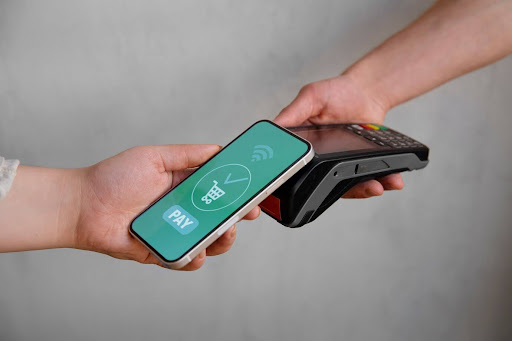
A digital wallet, or e-wallet, is a virtual version of a physical wallet that securely stores payment methods like credit cards, cryptocurrencies, and gift cards. It simplifies online and in-store purchases using technologies like QR codes and Near Field Communication (NFC).

Vellis News
9 October 2025
Understanding the Difference Between Open Banking and PSD2
Before we dwell upon the detailed understanding of the differences, it is important to note that open banking and PSD2 are closely connected but not the same. Open banking is the practice of sharing financial data securely through APIs, allowing third-party providers to create new services.
We use cookies to improve your experience and ensure our website functions properly. You can manage your preferences below. For more information, please refer to our Privacy Policy.

© 2025 Vellis Inc.Vellis Inc. is authorized as a Money Services Business by FINTRAC (Financial Transactions and Reports Analysis Centre of Canada) number M24204235. Vellis Inc. is a company registered in Canada, number 1000610768, headquartered at 30 Eglinton Avenue West, Mississauga, Ontario L5R3E7, Canada.