



Reducing Chargebacks in Beauty and Skincare E-Commerce
Selling skincare and beauty products online is a dream for many. You get to help people feel confident and look their best. But there is a side to the business that no one really likes to talk about: the dreaded chargeback. You see a sale come in, you ship the product, and then a few […]
VELLIS NEWS
20 Apr 2026
By Vellis Team
Vellis Team
Automate your expense tracking with our advanced tools. Categorize your expenditures
Related Articles

Vellis News
10 July 2025
Conversational AI in Banking and Fintech
In the finance world, conversational AI in banking and fintech is quickly transforming how institutions communicate, operate, and serve customers.

Vellis News
22 September 2025
Payment Processing ISO: What is an ISO & What is Their Role
Short for Independent Sales Organization, an ISO plays a vital role in the payment ecosystem. Understanding how ISOs work can help you choose the right partners, reduce risks, and keep your business running smoothly.

Vellis News
21 October 2025
What is BIN Sponsorship?
Companies today launch new card programs, payment apps, and embedded finance solutions at record speed. Ever wondered how non-banks — like fintech startups — can issue cards or process payments without being a licensed financial institution?
Selling skincare and beauty products online is a dream for many. You get to help people feel confident and look their best. But there is a side to the business that no one really likes to talk about: the dreaded chargeback. You see a sale come in, you ship the product, and then a few weeks later, the money is suddenly sucked out of your account. It feels like a punch in the gut.
For beauty brands, this happens way more than it should. Since products are often expensive and small, they are targets for fraud. Plus, beauty is personal. If a customer doesn’t like how a serum smells, they might decide to just cancel the charge through their bank instead of asking you for a refund. Dig deep into discovering how to reduce chargeback in beauty and skincare e-commerce and win the game.
Why the Beauty Industry Struggles with Disputes
Banks and payment processors actually look at beauty brands with a bit of suspicion. They are often labeled as high-risk. This isn’t because you are doing anything wrong, but because beauty e-commerce chargebacks are historically very high across the board. A lot of this comes down to expectations though. For example, if someone buys a wrinkle-erasing cream and they still have wrinkles after three days, they ,ay feel cheated. Instead of checking your return policy, they would rather hit the dispute button on their banking app. It’s fast, it’s easy, and it’s a huge headache for you.
Clear Communication as The Best Defense

Most disputes start because of a misunderstanding. To stop this, you need to be almost annoyingly clear on your website. Here is how:
Be honest in Product Descriptions
Do not promise the world. If a product takes six weeks to show results, say that. Use real photos of the bottles and the texture of the cream. When the box arrives, the customer should feel like they got exactly what they saw on the screen. If the physical product looks totally different from the fancy edited photo online, you are asking for a chargeback.
Present Shipping Expectations
We live in an era of next-day delivery. If your package takes ten days to arrive and you haven’t sent an update, the customer might assume the shop was a scam. They call the bank, say they never got the goods, and you lose the money plus a fee. Always, always send a tracking number the second a label is printed.
Choosing the Right Tech Partners
The tech you use to take money is just as important as the ingredients in your lotions. Not all processors are built the same. When you look into the beauty industry payment processing, you need to find a partner that understands the subscription and skincare world.
One of the safest tips you can get is to make sure your billing descriptor is your actual shop name. For instance, if your website is “Glow Beauty”but the bank statement says “GB Holdings LLC”, the customer won’t recognize it. They will think someone stole their card and file a fraud report. Using secure payment processing solutions that let you customize this name is a simple way to save thousands of dollars.
Friendly Fraud vs. Real Fraud

Sometimes people try to get free products on purpose. Other times, a teenager uses their mom’s card without asking and this is called a friendly fraud, but it doesn’t feel very friendly to your bank account. Here is what to look for to stop fraud before you ship:
- Mismatched Addresses: If the billing address is in New York but the shipping address is in a different country.
- Big First Orders: Someone who has never shopped with you suddenly buys five of your most expensive items.
- Multiple Cards: Trying three different cards in ten minutes until one works.
Smart beauty industry payment processing tools will flag these for you. It is better to cancel a suspicious order than to ship it and lose the money later.
Handling the Unhappy Customer
A chargeback is a permanent mark on your record. A refund is just a part of doing business. If a customer is angry, it is almost always better to just give them their money back yourself. Make your refund policy easy to find. If a customer has to search through ten pages of tiny text to find out how to return a product, they will just call their bank instead. Again, if you were to use secure payment processing solutions, you would be able to click one button and refund them instantly. This keeps the customer happy and keeps your merchant account in good standing with the bank. All in all, don’t let technical hurdles stop your brand’s growth, and do your best to protect your revenue today.
Winning the Fight When a Dispute Happens
Sometimes you have to fight back. If you have proof that the customer received the item and is now trying to lie about it, you should submit your evidence. Keep a folder for every big order. It should have the tracking info, the delivery confirmation with a signature if possible, and any emails you sent them. Banks love paper trails. If you can show them that the customer was happy on Tuesday and filed a dispute on Wednesday, you have a good chance of winning.
Taking Control of Your Revenue
Lastly, you can’t stop every single chargeback, but you can definitely make your brand a harder target. In the end, it really comes down to a few basic habits:
- Be Honest: Make sure your product descriptions and photos match what is in the box.
- Be Fast: Ship quickly and always send out tracking numbers immediately.
- Choose Right Partners: Work with reliable experts to handle your money and keep transactions smooth.
- Stay Informed: Keep your customers in the loop so they never feel the need to call their bank.
FAQs
Why is the beauty industry considered high-risk for chargebacks?
High product costs and unrealistic customer expectations often lead to frequent disputes and bank skepticism.
How does a billing descriptor prevent fraud claims?
Using your actual shop name ensures customers recognize the charge on their bank statement immediately.
What is the difference between a refund and a chargeback?
A refund is a direct return of money while a chargeback involves banks and penalizes merchants.
How can shipping updates reduce my dispute rate?
Providing tracking numbers proves delivery and prevents customers from claiming they never received their order.
What should I keep in my evidence folder for disputes?
Store tracking confirmations, IP addresses, and customer emails to prove the order was legitimate.
References
Wallid: Pay-by-Bank for Beauty & Skincare
https://wallid.co/pay-by-bank-for-beauty-skincare-for-shopify
Boulevard: 7 Best Practices for Chargeback Prevention to Protect Your Beauty Business
https://www.joinblvd.com/blog/chargeback-prevention
Chargeback Gurus: E-commerce Chargeback Reduction – 7 Effective Tips
https://www.chargebackgurus.com/blog/7-effective-steps-for-avoiding-online-chargebacks
Stord: Preventing Expiration-Related Retail Chargebacks
https://www.stord.com/blog/preventing-expiration-retail-chargebacks
Related Articles

Vellis News
25 March 2025
Understanding Payment Security
Payment security protects transactions from fraud, identity theft, and data breaches. Understanding what is payment security helps businesses keep transactions safe and maintain customer trust.
Vellis News
11 March 2026
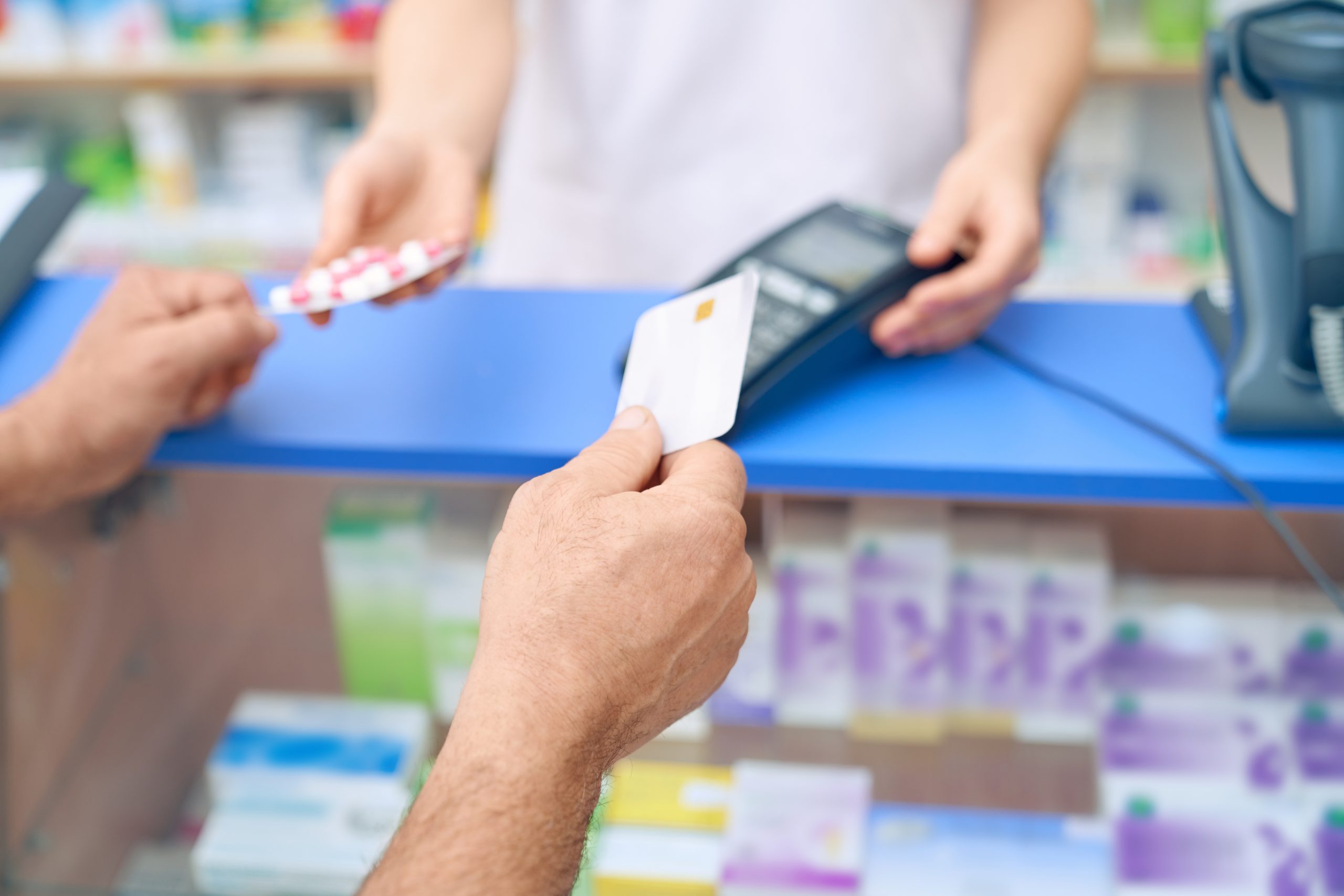
Key Compliance Requirements for Pharmacy Payment Solutions
Running a pharmacy is no simple feat. Between managing inventory, counseling patients, and staying on top of an ever-evolving regulatory landscape, pharmacy operators have a full plate. And yet, pharmacy payment compliance often gets underestimated. Getting your payment infrastructure right is a legal obligation, a patient trust issue, and a business survival matter all rolled […]

Vellis News
8 November 2025
Stablecoin Payment Processing – What Merchants Need to Know
Digital payments are evolving fast, and stablecoins are emerging as one of the most practical bridges between traditional finance and crypto.
We use cookies to improve your experience and ensure our website functions properly. You can manage your preferences below. For more information, please refer to our Privacy Policy.

© 2025 Vellis Inc.Vellis Inc. is authorized as a Money Services Business by FINTRAC (Financial Transactions and Reports Analysis Centre of Canada) number M24204235. Vellis Inc. is a company registered in Canada, number 1000610768, headquartered at 30 Eglinton Avenue West, Mississauga, Ontario L5R3E7, Canada.