


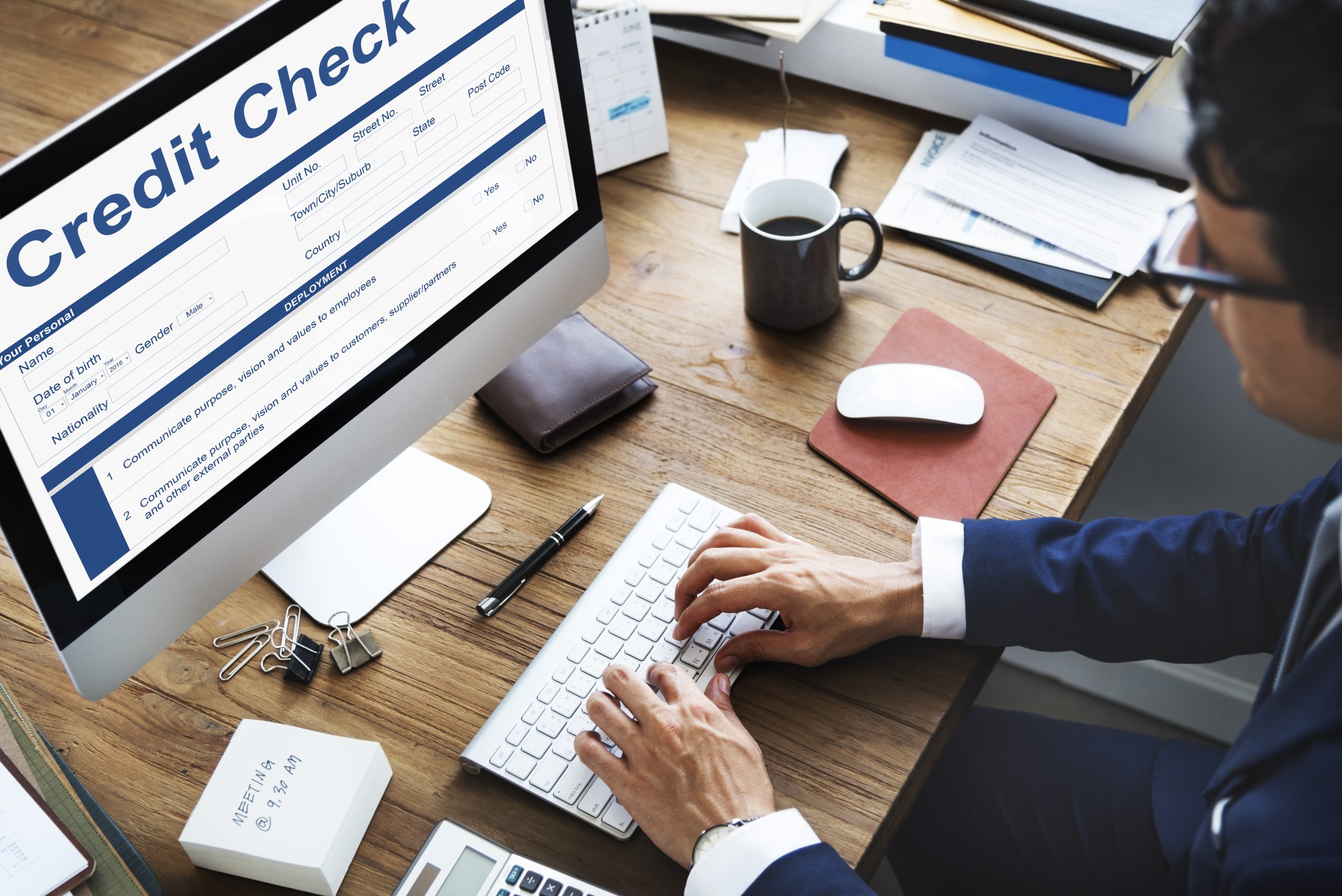
Does Using Buy Now Pay Later Affect Your Credit Score?
Buy Now Pay Later (BNPL) has quickly become a go-to payment option for consumers shopping both online and in physical stores. Whether you’re splitting the cost of sneakers into four payments or spreading out a larger purchase over several months, BNPL promises convenience and flexibility without the immediate burden of full payment. As adoption grows, […]
VELLIS NEWS
18 Feb 2026
By Vellis Team
Vellis Team
Automate your expense tracking with our advanced tools. Categorize your expenditures
Related Articles
Vellis News
21 October 2025
What is BIN Sponsorship?
Companies today launch new card programs, payment apps, and embedded finance solutions at record speed. Ever wondered how non-banks — like fintech startups — can issue cards or process payments without being a licensed financial institution?

Vellis News
30 June 2025
Hair Salon Membership Program: How to Create One
A hair salon membership program allows clients to pay a flat monthly fee in exchange for exclusive perks, special pricing, or a set number of services, all with the goal of turning occasional appointments into ongoing relationships.
Vellis News
5 May 2025
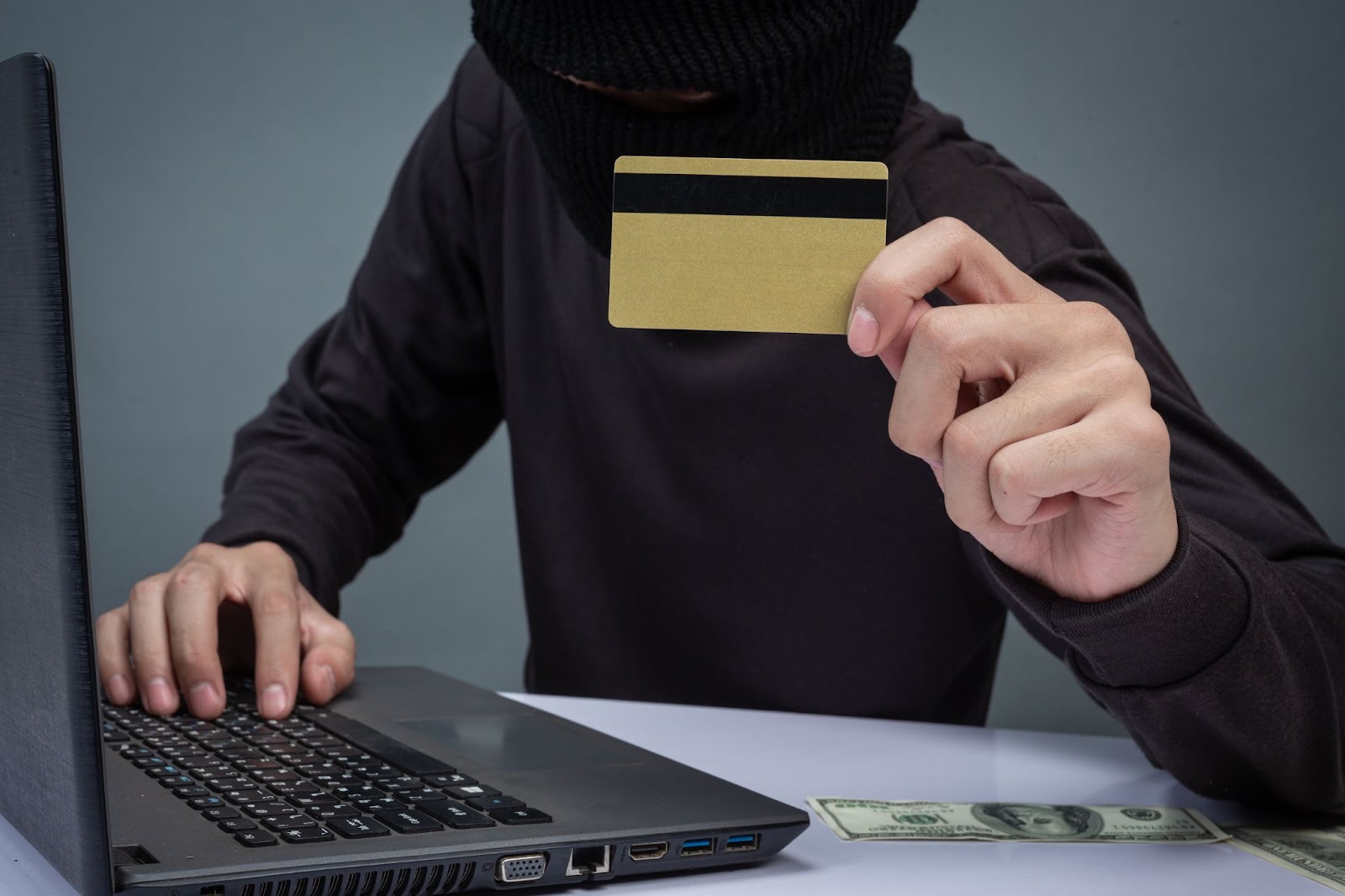
Card-Not-Present Fraud: What it is, How it Works
In this digital-driven world, it’s hard to be vigilant as there are a variety of possible frauds present, especially in the world of finance. Card-not-present (CNP) is unfortunately a familiar aspect that may happen when someone uses stolen card details to purchase without physically having the card.
Buy Now Pay Later (BNPL) has quickly become a go-to payment option for consumers shopping both online and in physical stores. Whether you’re splitting the cost of sneakers into four payments or spreading out a larger purchase over several months, BNPL promises convenience and flexibility without the immediate burden of full payment.
As adoption grows, however, many consumers are asking the same question: how does this actually affect my credit?
The answer isn’t always straightforward. Different BNPL providers follow different rules when it comes to credit assessment, reporting, and repayment tracking. Because of this variation, BNPL usage can have a neutral, positive, or negative effect depending on how the provider operates and how responsibly the consumer repays.
Understanding the connection between BNPL and your BNPL credit score is essential before deciding whether this payment method fits your financial habits.
Understanding the Basics of BNPL and How It Works
At its core, Buy Now Pay Later is a short-term installment arrangement that allows consumers to receive goods or services immediately while paying for them over time. Most BNPL programs break purchases into equal installments though longer-term plans are increasingly common.
Unlike traditional credit cards, BNPL plans are typically tied to individual purchases rather than a revolving credit line. Many are advertised as interest-free, provided payments are made on time. Account limits may start low and gradually increase based on usage and repayment behavior.
In this way, BNPL blends elements of a loan with the simplicity of a one-time transaction.
The key difference from traditional credit products lies in how credit risk is evaluated. While banks rely heavily on credit scores and long credit histories, BNPL providers may assess affordability using alternative data, transaction history, and spending patterns.
Meaning, access to money through BNPL may feel easier, but it also requires discipline. Missed payments can still carry consequences tied to your overall credit score.
When Does BNPL Impact Your Credit Score?

The BNPL impact on credit score depends largely on whether a provider reports activity to credit bureaus. Some BNPL companies report repayment behavior while others keep transactions off traditional credit reports entirely.
If a provider reports, missed payments, repeated delinquencies, or accounts sent to collections may negatively affect your credit scores. On the other hand, on-time repayment can sometimes reflect positively, depending on how the data is categorized by credit reporting agencies.
In many cases, repayment history is reported only after certain thresholds are crossed, such as extended payment terms or higher purchase values.
Because reporting practices vary, two consumers using different BNPL services could see very different outcomes. One may notice no change at all, while another may see movement depending on credit bureaus, report structures, and local regulations.
Do BNPL Providers Check Your Credit?
Most BNPL providers do not conduct full hard credit checks for standard short-term plans. Instead, they rely on soft checks that verify identity and assess risk without impacting your score. These checks help detect fraud, prevent identity theft, and confirm that basic eligibility criteria are met.
However, some BNPL services may perform hard credit checks. These inquiries can temporarily lower a credit score, just like when applying for a credit card or personal loan. Providers may also use proprietary risk models that blend traditional data with behavioral signals, offering alternative approval paths for users with limited credit histories.
This hybrid approach reflects a broader trend in financial services, including BNPL and open banking, where permission-based data sharing helps lenders assess affordability beyond traditional bureau reports.
Does BNPL Affect Credit Score Over Time?
In the long run, repeated BNPL usage can indirectly affect your financial profile even if transactions aren’t always reported. Multiple active plans increase monthly obligations, which can influence future lending decisions when banks assess affordability and existing commitments.
As BNPL becomes more embedded in consumer finance, reporting companies are increasingly interested in incorporating repayment behavior into broader credit history models. Some lenders already review BNPL usage patterns when evaluating credit card or loan applications, even if the activity doesn’t appear directly on standard reports.
Responsible usage matters. Treating BNPL like a credit card — rather than “free money” — helps ensure that convenience today doesn’t complicate borrowing opportunities tomorrow.
Late Payments, Fees, and Negative Credit Consequences
Late or missed payments are where BNPL can quickly turn problematic. While some providers offer grace periods, repeated delays may trigger fees, account suspension, or collections. In certain cases, unpaid balances are reported to credit bureaus, which can damage creditworthiness.
Once an account is sent to collections, the impact extends beyond a single purchase. Bad credit markers can affect access to loans, insurance pricing, and even housing applications.
Although BNPL loans are often smaller than traditional loans, the negative signals they send when mismanaged can still be significant.
Put simply: even if a plan seems low-risk, failure to meet obligations can have consequences similar to other financial accounts.
Can BNPL Help Improve Credit?
In some scenarios, BNPL can contribute to improving credit, but only if the provider reports positive repayment data. Certain programs explicitly market themselves as credit-building tools, sharing on-time payment history with bureaus.
However, this benefit is not universal. Many BNPL programs do not report successful repayments at all, meaning users won’t see any credit-building advantage.
Before assuming benefits, consumers should review provider terms carefully and understand whether on-time payments are shared with reporting agencies.
For those focused on improving credit, traditional products like credit cards or installment loans may offer more consistent reporting benefits, though BNPL can still complement a broader financial strategy.
Comparing BNPL to Other Credit Products
Compared to credit cards, BNPL typically offers shorter repayment terms and fewer interest charges, making it appealing for planned purchases. Credit cards, however, provide revolving access to money and more established reporting structures.
Personal loans usually involve fixed terms, interest, and full credit checks, making them less flexible but more predictable. Traditional installment loans also tend to report consistently, which can help build credit over time.
BNPL sits somewhere in between: more flexible than loans, less established than cards. The lack of uniform reporting standards is both a benefit and a risk, depending on how consumers manage their obligations.
How to Use BNPL Safely Without Hurting Your Credit
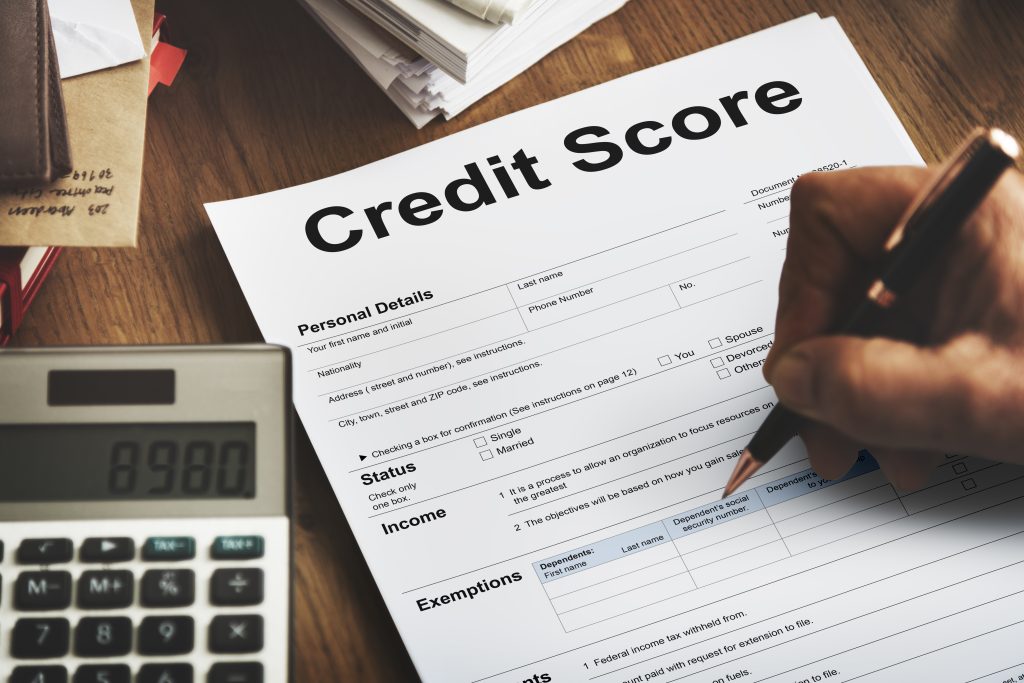
Using BNPL responsibly starts with budgeting. Treat each installment as a real obligation, track due dates, and avoid stacking multiple plans across different providers. Missed payments often result from oversight rather than inability to pay.
Consumers should also review whether providers share data with credit bureaus and how late payments are handled. Monitoring accounts and credit scores regularly helps catch issues early.
Finally, limit BNPL usage to purchases you could reasonably afford upfront, ensuring flexibility doesn’t become dependency.
As BNPL evolves into areas like BNPL for subscription models and more consumers explore Buy Now Pay Later services, discipline becomes even more important. BNPL may feel lighter than traditional credit, but it still carries responsibilities that shouldn’t be ignored.
Frequently Asked Questions (FAQs)
Does BNPL always show up on my credit report?
No, BNPL reporting varies by provider, with some reporting activity to credit bureaus while others keep transactions off-file unless payments are missed.
Can BNPL help me build credit?
BNPL may help build credit only in limited cases where the provider reports on-time payments to credit bureaus, which is not yet standard practice.
Will missing BNPL payments damage my credit score?
Yes, missed or unpaid BNPL installments can harm your credit score if they are reported or sent to collections.
Do BNPL companies run hard credit checks?
Most BNPL providers use soft checks, but hard credit checks may occur for higher-value purchases or longer-term plans.
Can frequent BNPL use affect loan approval?
Yes, lenders may view frequent BNPL use as a sign of higher financial obligations or spending risk, even if the accounts are not formally reported.
Are BNPL accounts considered debt?
Yes, BNPL obligations are generally considered short-term debt by financial institutions when evaluating affordability and repayment capacity.
References
Consumer Financial Protection Bureau. (2022). Buy now, pay later: Market trends and consumer impacts. https://www.consumerfinance.gov/about-us/newsroom/cfpb-examines-buy-now-pay-later-market-trends-and-consumer-impacts/
Federal Trade Commission. (2024). What to know about Buy Now Pay Later. https://www.ftc.gov/news-events/blogs/consumer-protection-blog/2024/what-to-know-about-buy-now-pay-later
McKinsey & Company. (2023). How Buy Now Pay Later is reshaping payments and consumer behavior. https://www.mckinsey.com/industries/financial-services/our-insights/how-buy-now-pay-later-is-reshaping-payments-and-consumer-behavior
Related Articles
Vellis News
14 November 2025
Emerging Payment Rails in E-commerce: What’s Next for Payment Processing
Payment rails are the unsung backbone of global commerce. They connect banks, processors, and digital platforms to enable everything from card payments to cross-border transfers.

Vellis News
20 August 2025
How to Improve Cash Flow in Dental Practices?
Nowadays, improving cash flow in dental practices is essential for both long-term growth and keeping day-to-day operations running smoothly. It’s not just about how much profit you’re making, on the contrary, it’s about when money comes in and when it goes out.

Vellis News
20 August 2025
What is a Payment Hub?
Managing payments across multiple banks, systems, and formats can quickly become overwhelming for businesses, especially as they grow or expand internationally. Each payment method might follow a different process, require its own format, and create challenges for tracking and reconciliation.
We use cookies to improve your experience and ensure our website functions properly. You can manage your preferences below. For more information, please refer to our Privacy Policy.

© 2025 Vellis Inc.Vellis Inc. is authorized as a Money Services Business by FINTRAC (Financial Transactions and Reports Analysis Centre of Canada) number M24204235. Vellis Inc. is a company registered in Canada, number 1000610768, headquartered at 30 Eglinton Avenue West, Mississauga, Ontario L5R3E7, Canada.