



Why Utility Providers Rely on Direct Debit for Billing
Direct debit in utility billing means automatic collection of recurring bills directly from a customer’s bank account. Many providers use direct debit for utility companies because it creates steady cash flow, reduces late or missed payments, and cuts down manual billing work. It also helps utilities plan ahead and manage operations with fewer surprises. This […]
VELLIS NEWS
15 Feb 2026
By Vellis Team
Vellis Team
Automate your expense tracking with our advanced tools. Categorize your expenditures
Related Articles

Vellis News
26 May 2026
Gambling Payment Platforms Across Jurisdictions: Navigating Licensing and Compliance Market by Market
With a growing audience eager to engage in online casinos, sports betting, and virtual poker, the market has never been more vibrant. However, scaling a wagering platform across international borders is far from a uniform process. The biggest operational hurdle for international expansion is ensuring that money is moved safely and legally. Hence, most operators […]

Vellis News
10 June 2025
Best Place to Buy Foreign Currency Online
When it comes to getting the most value for your money, banks and credit unions often offer the best rates for buying foreign currency online. Locking in your exchange rate before your trip can protect you if rates change later. Using your bank’s ATM abroad can also reduce withdrawal fees.

Vellis News
22 August 2025
Multi-Currency Payment Gateway: Definition
A multi-currency payment gateway is a digital tool that allows businesses to accept payments from customers in different currencies, all through a single, streamlined system. It acts as the bridge between the customer’s preferred payment method and the merchant’s account, automatically handling currency conversion and processing.
Direct debit in utility billing means automatic collection of recurring bills directly from a customer’s bank account. Many providers use direct debit for utility companies because it creates steady cash flow, reduces late or missed payments, and cuts down manual billing work. It also helps utilities plan ahead and manage operations with fewer surprises. This article explains how direct debit works in utility billing, the benefits for customers, the controls that reduce risk, how failed payments are handled, and the best practices utilities follow when setting it up and managing it over time.
Direct Debit for Utility Companies: Why It’s the Default Billing Method
Utility providers use direct debit because it delivers steady income and predictable billing. Automatic payments lower collection costs, reduce late accounts, and remove much of the manual work tied to invoicing. Utilities also charge for essential, ongoing services, which makes recurring bank payments a natural fit for both sides. Customers expect regular bills, and providers benefit from consistent payment cycles. This article explores how direct debit supports efficient operations, improves the customer experience, and manages risk through controls, monitoring, and direct debit integration for ERP systems that keep billing accurate and transparent.
How Direct Debit Utility Billing Works End to End
Direct debit utility billing follows a clear, end-to-end flow. The customer signs up and gives authorization through a mandate that allows the utility to collect payments. Once usage is recorded, the bill is generated and scheduled for collection on a set date. Funds are then pulled from the customer’s bank account, settled through the banking system, and posted back to the utility’s account records, where direct debit reconciliation confirms the payment matches the invoice.
Some utilities charge a fixed monthly amount, which keeps payments predictable. Others bill based on usage, so amounts change each cycle but follow the same collection process. Customers usually receive advance notices showing the amount, billing date, and a clear payment description on their bank statement.
Cash Flow Predictability and Lower Delinquency Risk
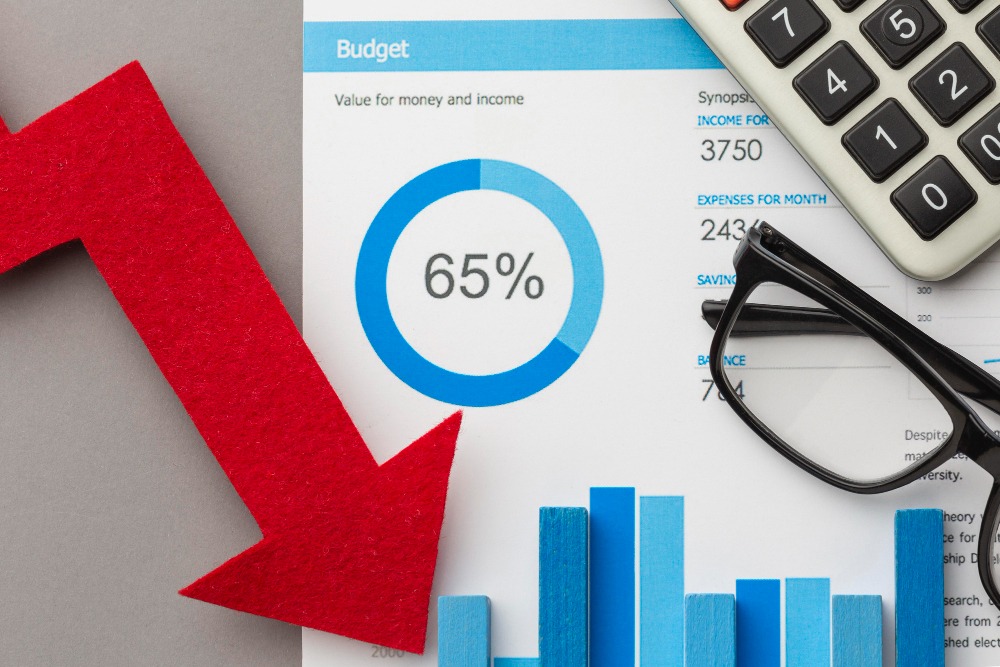
Utilities rely on steady monthly collections to cover supplier costs, wages, and infrastructure spending. Predictable cash flow makes budgeting easier and reduces financial strain. Direct debit improves payment timing by collecting funds automatically on set dates. This lowers late payments and reduces missed bills without requiring customer action. As a result, utilities send fewer reminders, make fewer collection calls, and manage fewer payment plans. Many providers obtain a direct debit solution to protect cash flow while cutting operational effort.
Lower Payment Processing and Administrative Costs
Utilities aim to cut expenses related to card fees, manual payment handling, call center inquiries, and reconciliation work. When payments depend on customer action, these costs can rise quickly. Direct debit reduces them by automating collections on fixed schedules, minimizing failed payments, exceptions, and reprocessing. This also lowers the staff effort required to manage payments. As utilities scale from thousands to millions of accounts, direct debit keeps operations stable and efficient. Workload grows much slower than customer volume, ensuring that administrative and processing costs per account remain low, making billing more predictable and cost-effective for large-scale operations.
Better Customer Experience for Recurring Energy Bills
Direct debit enhances the customer experience for recurring energy bills by making payments easier, more predictable, and transparent. In for of:
- Automatic billing prevents missed payments, reduces friction, and helps with budgeting, especially on consistent cycles.
- Clear statements, predictable collection dates, and easy cancellation improve transparency.
- Reminders for variable bills and accessible billing history help utilities maintain customer trust.
Handling Variable Bills, Seasonal Spikes, and Billing Adjustments
Utility bills can fluctuate due to seasonal changes, usage spikes, rate adjustments, or billing corrections. To keep customers informed, utilities should communicate variable amounts in advance, providing timely notices and clear statements before funds are collected. When adjustments occur, such as credits, rebills, or meter corrections, these changes should be accurately reflected in the next collection cycle. Clear communication ensures customers understand why amounts differ, maintains trust, and reduces disputes, while keeping the direct debit process smooth and predictable.
Managing Failed Payments: Returns, Retries, and Customer Outreach
Failed utility payments often result from insufficient funds, account changes, mandate issues, or bank rejections. A smart retry strategy spaces attempts, limits retries, and segments accounts by risk, improving collection success. Clear customer outreach helps prevent escalations by explaining the failure, giving next steps, offering self-serve updates, and providing flexible catch-up options, keeping customers informed and maintaining trust.
Disputes, Refunds, and Trust: Reducing Payment Complaints
Customers may dispute utility debits due to unexpected amounts, confusion over cancellations, or unclear statement descriptors. Prevention starts with clear descriptors, proactive billing notices, simple refund or request processes, and well-prepared support staff who can handle inquiries efficiently. Balancing consumer protection with revenue protection requires fast, documented investigations. Utilities should verify authorization, resolve issues promptly, and maintain records to prevent misuse while ensuring legitimate payments are collected, preserving both trust and cash flow.
Security, Authorization, and Compliance Considerations
Utilities must safeguard sensitive information, including customer bank details, authorization records, and system access controls, to prevent fraud and maintain trust. Best practices include secure storage or tokenization of account data, role-based access for employees, detailed audit logs, and formal approval processes for changes. These measures limit exposure and ensure accountability across all payment operations. Next, retention and proof requirements are also critical. Utilities should keep authorization records for the legally required period, ensure they are easily retrievable, and maintain clear documentation to demonstrate compliance during audits or customer inquiries.
Integration and Reconciliation: Making Direct Debit Work with Utility Systems

Direct debit payments must integrate seamlessly with a utility’s billing, CRM, and accounting systems. Payment statuses should update automatically to reflect posting, account aging, and trigger dunning processes when necessary, ensuring operations stay accurate and timely. Reconciliation is essential to match collections to the correct accounts, manage partial payments or credits, and flag exceptions for review. This keeps records accurate and reduces disputes or accounting errors. Key KPIs to monitor include:
- Collection rate
- Failure rate
- Recovery rate after retries
- Cost-to-collect
Tracking these metrics helps utilities optimize processes, improve cash flow, and measure the efficiency of their direct debit program.
Choosing the Right Setup: In-House vs Provider-Managed Direct Debit
Utilities can manage direct debit in-house, creating bank files themselves, or use a provider-managed platform that handles collections and reporting. In-house offers control but needs technical resources; provider platforms enable faster setup and built-in support. Key evaluation points include coverage, reporting quality, failure-handling tools, support, and implementation speed. For scaling, utilities should ensure multi-region support, handle growing customer volumes, and have strong incident response. The right setup balances reliability, efficiency, and flexibility as the business expands.
Implementation Checklist for Utility Providers
A successful direct debit implementation for utility providers depends on careful planning across multiple operational areas:
- User-friendly enrollment process with clear customer consent
- Consistent notifications and predictable billing cadence
- Retry and dunning playbooks for handling failed payments
- Accurate reconciliation and reporting systems
- Customer support readiness and streamlined refund workflows
And when it comes to handouts rollout strategy:
- Start with a pilot group to test processes
- Monitor performance and gather customer feedback
- Implement iterative improvements before full-scale launch
FAQs
Why do utilities prefer direct debit over manual bill pay?
Utilities prefer direct debit for predictable cash flow, reduced administrative work, and fewer late payments.
How does direct debit work for variable energy bills?
Direct debit for variable energy bills collects funds based on usage, with timely statements and advance notices.
What happens if a direct debit utility payment fails?
If a direct debit payment fails, utilities typically retry collection, notify the customer, apply late fees if applicable, and offer alternative payment options.
Can customers cancel direct debit for their utility account?
Yes, customers can cancel direct debit. Utilities must provide clear confirmation and guide next-step payment options.
Are direct debit utility payments safe?
Yes, direct debit utility payments are safe, protected by customer authorization, bank controls, and secure utility practices.
How can utilities reduce disputes about direct debit payments?
Utilities can reduce disputes by using clear descriptors, sending variable-bill notices, and offering fast, accessible customer support.
Does direct debit reduce costs for utility companies?
Yes, direct debit lowers costs by reducing processing fees, support calls, and reconciliation time for utilities.
How should utilities measure direct debit performance?
Utilities should track adoption rate, collection success, failure reasons, recovery rate, and cost-to-collect to measure performance.
References
Fast Pay LTD: Why More Businesses Are Switching to Direct Debit for Payments
Bionic Services: What are Direct Debit energy bills and how do they work for my business?
https://bionic.co.uk/business-energy/guides/business-energy-direct-debit
Business Energy Comparison: What Are Direct Debit Energy Bills And How Do They Work For My Business?
Melio: What is a direct debit and how does it work?
Related Articles

Vellis News
24 April 2025
Best Cities for Startups in Canada Based on Cost (2025)
A new report from Vellis Financial ranks Canadian cities by startup cost—revealing where entrepreneurs can stretch their runway, and where high expenses may slow growth.

Vellis News
20 October 2025
How to Handle Payment Processing for Seasonal Businesses
Running a seasonal business is exciting, especially the thrill of seeing sales surge during your peak months and the satisfaction of serving customers when demand is high. But there’s also a major challenge: how do you manage payments efficiently when your revenue fluctuates throughout the year?

Vellis News
21 August 2025
What Are Synthetic Trading Pairs?
A synthetic currency pair is created by combining two or more existing trading pairs to represent a new relationship that isn’t directly available on an exchange. Instead of relying on a pre-listed market like EUR/GBP, you could construct it using EUR/USD and GBP/USD.
We use cookies to improve your experience and ensure our website functions properly. You can manage your preferences below. For more information, please refer to our Privacy Policy.

© 2025 Vellis Inc.Vellis Inc. is authorized as a Money Services Business by FINTRAC (Financial Transactions and Reports Analysis Centre of Canada) number M24204235. Vellis Inc. is a company registered in Canada, number 1000610768, headquartered at 30 Eglinton Avenue West, Mississauga, Ontario L5R3E7, Canada.
Vellis, Inc is a Registered MPS/ISO of the Canadian branch of U.S. Bank National Association and Elavon.