


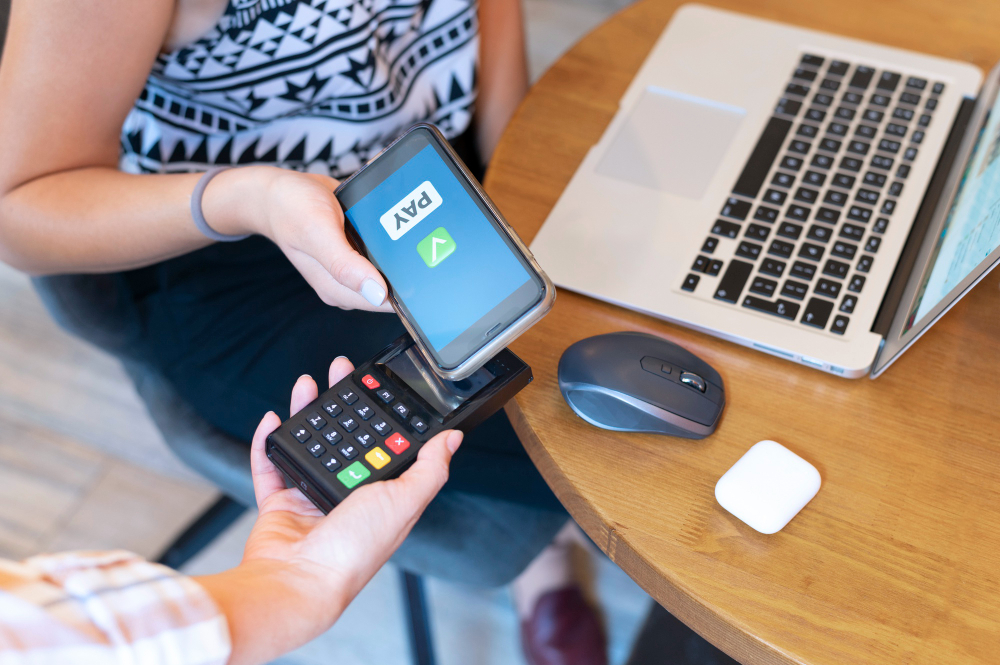
Micropayments in E-commerce: Is It Viable & How to Implement?
Micropayments are small online transactions, very often under $10, and used to pay for digital goods, single articles, in-app features, or on-demand services.
VELLIS NEWS
17 Nov 2025
By Vellis Team
Vellis Team
Automate your expense tracking with our advanced tools. Categorize your expenditures
Related Articles

Vellis News
19 May 2025
Healthcare Finance Trends for 2025
Focusing on stabilizing operations, improving affordability, and protecting patient data – the healthcare finance trends for 2025 are urgent priorities for an industry grappling with growing costs.

Vellis News
29 September 2025
Payment Tokenization: What It Is and How It Works?
Payment tokenization is a security process that replaces sensitive card details with a unique digital token, making transactions safer. Instead of storing or transmitting real card numbers, businesses use these tokens, which hold no value if intercepted.

Vellis News
9 October 2025
Understanding the Difference Between Open Banking and PSD2
Before we dwell upon the detailed understanding of the differences, it is important to note that open banking and PSD2 are closely connected but not the same. Open banking is the practice of sharing financial data securely through APIs, allowing third-party providers to create new services.
Their popularity is rising again with the growth of digital subscriptions, creator platforms, and new decentralized payment systems that make tiny transactions cheaper and faster. This article looks at whether micropayments are truly viable in today’s market, the benefits and barriers they bring, and how brands can implement them in a practical way through reliable ecommerce micropayment processing.
Understanding Micropayments in E-commerce
Micropayments are low-value digital transactions for single pieces of content, small digital goods, or short-term services. They emerged in early online commerce to help publishers and software providers monetize without relying on ads or full subscriptions. Unlike gaming microtransactions, which focus on in-game items, e-commerce micropayments target real-world content like news articles, PDFs, or pay-per-use software. Common use cases include tipping creators, unlocking one-off resources, or accessing limited services. Recent fintech advances, faster payment systems, and stronger ecommerce payment data privacy have made micropayments more practical and secure, allowing businesses to adopt flexible, scalable revenue models in today’s digital market.
The Evolution and Relevance of Micropayments

Micropayments have evolved from experimental systems in the 1990s, which often struggled with high fees and technical limits, to efficient solutions in today’s digital economy. Modern payment platforms, mobile wallets, and blockchain technology enable tiny transactions with minimal friction, making it easier for users to pay small amounts instantly. The rise of the gig economy, content subscriptions, and online tipping systems has revived interest in micropayments as a practical way to monetize digital interactions. With reliable ecommerce payment scalability, businesses can now integrate micropayments seamlessly, making them a crucial part of contemporary digital revenue strategies.
Benefits of Implementing Micropayments
Implementing ecommerce micropayment processing allows merchants to monetize small-value transactions that can accumulate into significant revenue over time. This approach reduces reliance on ads or full subscriptions by turning minor purchases into profitable exchanges. Some of the core advantages, thus, are”
- Accessibility: Lets users make affordable, one-time purchases without commitment.
- Revenue Diversification: Creates new income streams for digital creators and service providers.
- Frictionless Experience: Enables fast payments without lengthy checkout processes.
- Customer Retention: Encourages loyalty through convenience and flexibility.
Additionally, pairing micropayments with high-risk eCommerce payment processing solutions ensures even small, risk-prone transactions remain secure and viable.
Challenges of Micropayments in E-commerce
Traditional payment systems often struggle with microtransactions, as small payments can be costly and complex to manage. So, some of the main obstacles entail:
- High transaction and processing fees: Small payments can become unprofitable when standard fees apply.
- Regulatory compliance: Legal and reporting requirements add complexity for merchants.
- Limited consumer trust and inconvenience: Some users hesitate to pay tiny amounts due to perceived hassle.
- Currency conversion and chargeback risks: International transactions carry additional costs and uncertainty.
Emerging payment technologies are helping to overcome these issues, improving cost efficiency, security, and ecommerce micropayment processing scalability.
Micropayment Business Models
Micropayments support several business models, helping companies generate revenue from small, frequent transactions that complement broader strategies. Business tend to reflect on these common models:
- Pay-per-download or article access: Publishers, e-learning platforms, and digital media providers charge for single pieces of content, letting users pay only for what they consume.
- In-app purchases or virtual goods: Gaming and entertainment apps sell upgrades, skins, or features through small transactions.
- Micro-donations and tipping: Fans can support creators, streamers, or independent journalists with small contributions.
- Usage-based billing: SaaS providers and metered APIs charge based on actual consumption, aligning costs with value delivered.
These models integrate with larger revenue strategies by diversifying income sources, increasing customer engagement, and reducing reliance on subscriptions or advertising.
How Micropayment Systems Work
Micropayment systems rely on efficient payment flows and supporting technology to make small transactions practical and user-friendly.
- Payment Flow: Users initiate transactions through mobile apps, digital wallets, or payment gateways. Systems often aggregate or batch these small payments, then settle funds to merchants in bulk, reducing processing fees and overhead.
- Technology Stack: Gateways provide low-fee or crypto-enabled solutions, while UX design focuses on simplicity, offering one-tap payments or recurring micro-purchases. Together, the flow and technology ensure micropayments are fast, affordable, and convenient for both users and merchants.
Technologies Enabling Micropayments
Modern micropayments rely on a combination of technologies that make small-value transactions fast, secure, and user-friendly.
- Blockchain & Crypto Payments: Reduce transaction fees and enable secure, borderless payments without traditional banking overhead.
- Payment Aggregation Systems: Combine multiple small transactions into a single batch, lowering processing costs and simplifying merchant settlement.
- API-Driven Payment Platforms: Allow developers to integrate flexible billing structures like pay-per-use, subscriptions, or one-off purchases directly into apps and websites.
- Mobile Wallets and NFC Payments: Offer seamless, one-click transactions, improving convenience and boosting adoption for users on smartphones or contactless devices.
Choosing the right technology balances cost efficiency with user experience, making micropayments practical, scalable, and attractive for both merchants and consumers.
Cost Management and Pricing Strategies
Merchants can keep micropayment costs under control by choosing smart pricing models and reducing unnecessary transaction fees.
- Prepaid balances or stored-value wallets: Let users load money in advance, cutting the number of individual transactions and lowering fees.
- Micropayment-friendly payment providers: Some gateways offer special fee structures designed for very small payments, helping merchants stay profitable.
- Subscription hybrids: A low recurring fee paired with optional micropayments keeps revenue steady while giving customers flexibility.
Clear, transparent pricing is essential. When users understand exactly what they’re paying for, and why, they’re more likely to trust the system and continue making small, frequent purchases.
Regulatory and Security Considerations

Handling high volumes of small transactions brings specific compliance and security demands. Merchants must stay aligned with regulations while keeping the experience smooth for users.
Regulatory Requirements:
- KYC (Know Your Customer): Verify user identity even for low-value accounts or wallets.
- AML (Anti-Money Laundering): Monitor transactions to detect suspicious patterns across many small payments.
- High-volume oversight: Maintain reporting and audit trails despite the tiny transaction amounts.
Security Measures:
- Data encryption and tokenization: Protect sensitive payment details from exposure.
- Secure APIs and fraud detection: Identify unusual activity without adding friction to legitimate payments.
- Strong user authentication: Use biometrics, device checks, or two-factor verification for wallets and stored-value accounts.
Together, robust compliance and security are essential, as micropayments may be small, but the protection behind them must be strong.
Integration with E-commerce Platforms
Integrating micropayments into existing checkout flows requires minimal friction and strong backend support to handle volume, security, and reconciliation.
- API or plug-in integration: Use PSPs that offer micropayment APIs or ready-made plug-ins for platforms (Shopify, WooCommerce, Magento). Embed payment calls where users consume content or features.
- Digital wallets & embedded payments: Add wallet top-ups, one-click wallets, or in-page payment widgets to avoid full checkout for tiny purchases.
- Client-side UX: Present clear micro-price options, confirm one-tap payments, and use progressive disclosure to keep flows short.
- Batching & settlement automation: Aggregate microtransactions server-side and settle in bulk to reduce fees; automate reconciliation and accounting entries.
- Security & scaling: Protect APIs with tokenization, rate limiting, and async processing queues; monitor performance to avoid latency spikes.
Future of Micropayments in E-commerce
The future of micropayments is shaped by rising demand for flexible, bite-sized digital purchases and faster global payment rails. Key trends include:
- Growth in digital content monetization: Micro-tipping, pay-per-article, and premium reads will become standard revenue tools for creators and publishers.
- Cross-border micropayments via blockchain and stablecoins: Lower fees and instant settlement will make tiny international payments practical.
- AI-driven fraud prevention: Smarter systems will detect unusual patterns and optimize routing without slowing down users.
- Broader adoption of micropayment-friendly gateways: More global retailers will integrate low-fee PSPs that support small, frequent transactions.
Together, these trends point to micropayments becoming a core pillar of the digital commerce ecosystem, enabling new business models and more flexible ways for users to pay.
FAQs
What are micropayments in eCommerce?
They are small online transactions used for digital goods, services, or content purchases, typically under $10.
How do micropayments work?
Describe that micropayment systems aggregate or process small payments efficiently to reduce costs and simplify user experience.
What are the benefits of micropayments for online businesses?
They provide new revenue streams, attract budget-conscious customers, and support pay-as-you-go pricing.
What are the main challenges of implementing micropayments?
Some of the most common challenges include transaction fees, regulatory compliance, and platform limitations.
How can merchants integrate micropayments into their eCommerce platforms?
Merchants can integrate micropayments by using low-fee PSPs and adding digital wallet support.
What’s the future of ecommerce micropayment processing?
The future of ecommerce micropayment processing is driven by blockchain, crypto, and fast mobile payment systems.
References
Ultra Commerce: Micropayments in Digital Publishing: The Solution for Monetization?
https://ultracommerce.co/blog/micropayments-in-digital-publishing-the-solution-for-monetization
PhonePe: Understanding Micropayments: Definition, Benefits, and Examples
Investopedia: Micropayment: What it is, How it Works in Fintech
https://www.investopedia.com/terms/m/micropayment.asp
Payment Cloud: What Are Micropayments? Everything You Need to Know
https://paymentcloudinc.com/blog/micropayments/
Related Articles

Vellis News
19 May 2025
What is Fee-For-Service in Healthcare
In today’s world, a fee-for-service in healthcare can neatly be explained as a payment model where providers are reimbursed for each individual service, test, or procedure they perform.

Vellis News
19 August 2025
Tokenization vs. Encryption: Which Is Safer?
When it comes to protecting sensitive data, especially in industries like finance and healthcare, two key techniques often come into play: tokenization and encryption. Both serve the same core purpose, keeping information secure, but they work in very different ways.

Vellis News
31 March 2025
Why E-Commerce Payment Solutions Are Essential for Your Online Business Success
In today’s digital landscape, seamless and secure transactions are critical for any online business. e-Commerce payment solutions provide the tools necessary to accept various payment methods, ensuring a smooth checkout experience for customers. From credit cards and digital wallets to bank transfers and even cryptocurrency, these solutions cater to diverse consumer preferences while enhancing security and efficiency.
We use cookies to improve your experience and ensure our website functions properly. You can manage your preferences below. For more information, please refer to our Privacy Policy.

© 2025 Vellis Inc.Vellis Inc. is authorized as a Money Services Business by FINTRAC (Financial Transactions and Reports Analysis Centre of Canada) number M24204235. Vellis Inc. is a company registered in Canada, number 1000610768, headquartered at 30 Eglinton Avenue West, Mississauga, Ontario L5R3E7, Canada.