


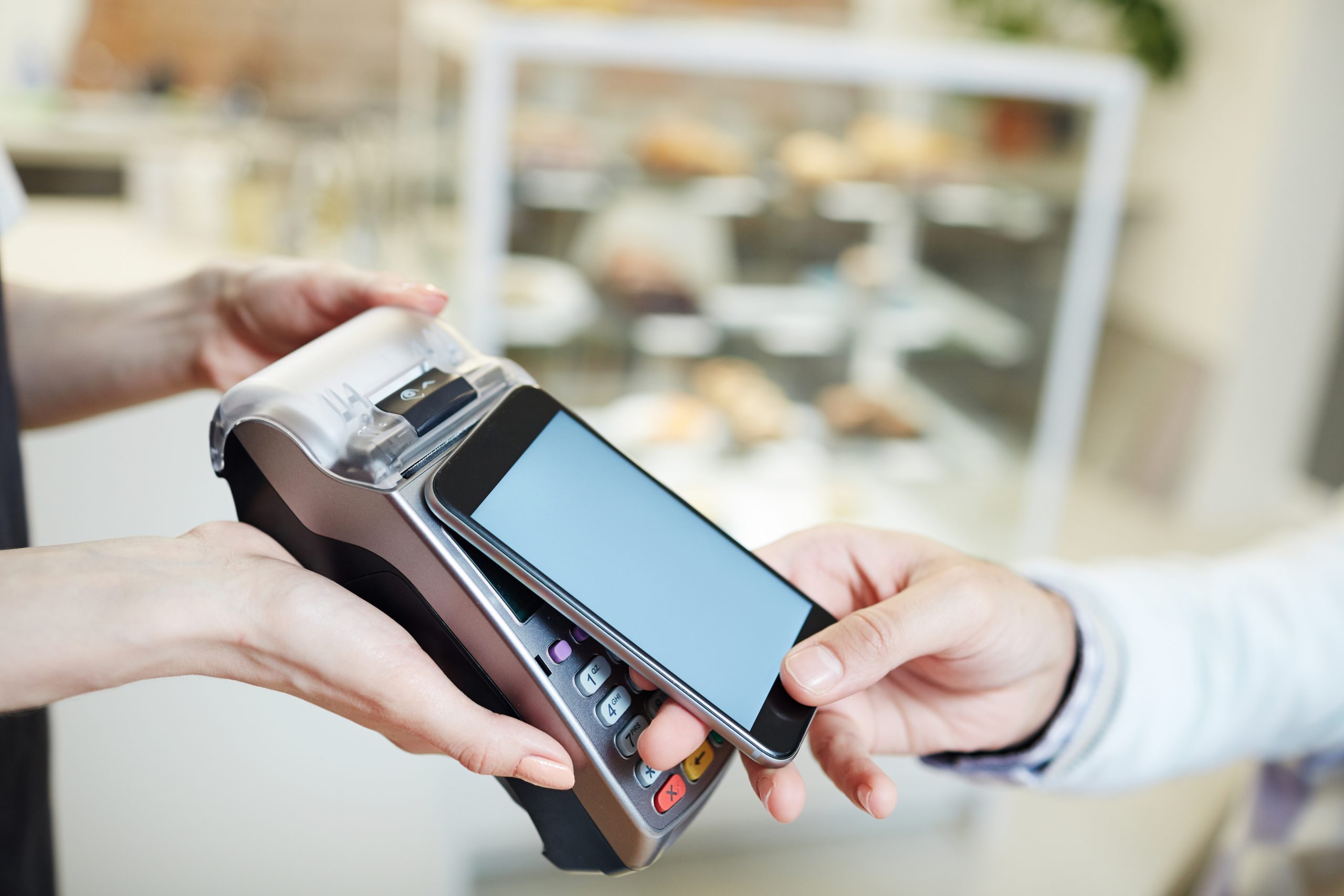
E-commerce Payment Orchestration: Streamlining Your Checkout Flow
If there’s one thing online merchants consistently struggle with, it’s managing multiple payment systems without slowing down checkout. Thankfully, ecommerce payment orchestration exists: a unified system that connects various payment gateways, acquirers, and service providers through a single integration.
VELLIS NEWS
14 Nov 2025
By Vellis Team
Vellis Team
Automate your expense tracking with our advanced tools. Categorize your expenditures
Related Articles

Vellis News
31 March 2025
10 Simple Tips to Entrepreneurs and Startups
Steve Jobs got kicked out of Apple. While J.K. Rowling was writing the Harry Potter book, her life was a self-described clutter: she was going through a divorce and her only source of revenue was government aid and living in a tiny apartment with her daughter before building her millionaire brand. Henry Ford went broke five times before he founded the unbeaten Ford Motor Company. Bill Gates was unsuccessful with his initial business, Traf-O-Data.

Vellis News
27 March 2025
Your MasterCard Dispute Administration Fee – Get to know it
Different types of fees are associated when processing a payment that is made with a MasterCard. These fees have been implemented by the acquirers, card networks and issuers. The Dispute Administration Fee, which is also known as DAF holds a prominent place out of them.

Vellis News
22 September 2025
What is a Pay by Link Service Provider
Businesses need payment solutions that are simple, flexible, and secure. With this, pay by link is gaining traction – a payment method that allows merchants to send customers a secure link to complete their purchase. It’s fast, convenient, and removes the need for a full online checkout system.
Instead of juggling fragmented tools and dashboards, orchestration gives merchants one central place to manage routing, fraud prevention, reporting, and settlement.
In this article, we’ll explore how this powerful technology simplifies payment operations, reduces errors, improves checkout performance, and enables businesses to expand globally at lower costs.
Understanding Payment Orchestration in E-commerce
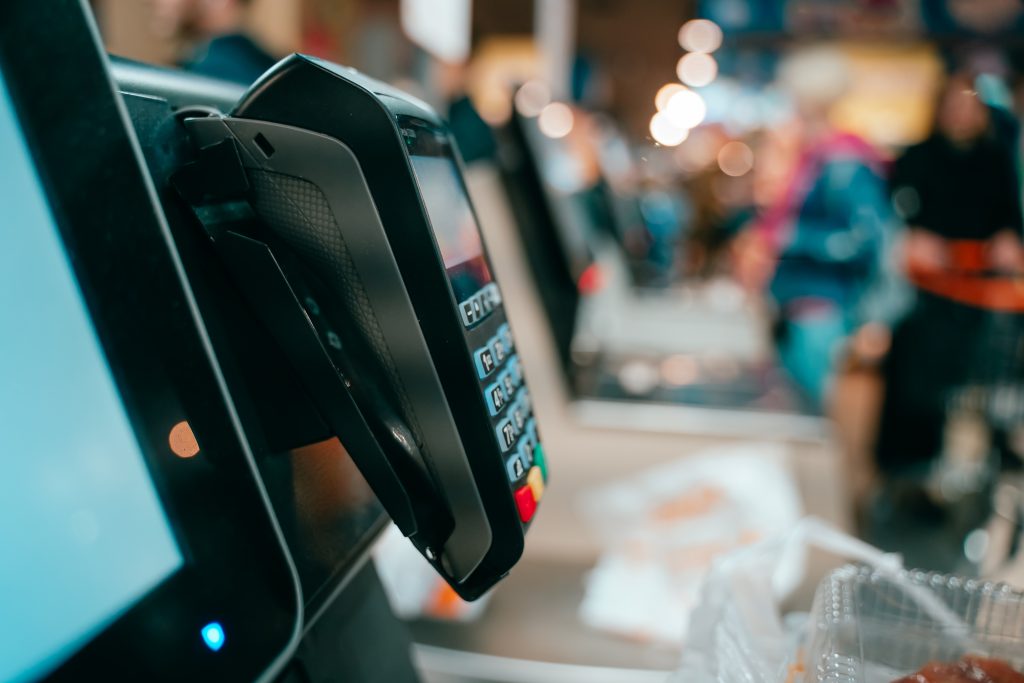
Payment orchestration refers to the centralized coordination of all payment activities in the eCommerce ecosystem. Think of it as a middleware layer that sits between your online store, payment gateways, acquirers, and service providers.
This layer manages key functions such as intelligent routing, automated failover when a processor goes down, and consolidated reporting across all payment partners.
For businesses expanding across multiple regions and currencies, orchestration solves one of the biggest challenges in global eCommerce: maintaining a flexible, scalable, and compliant payment setup without adding operational complexity.
How Payment Orchestration Works
To understand the value of orchestration, it helps to see how a payment flows through the system:
- A customer initiates a transaction on your website or app.
- The orchestration engine evaluates routing rules based on location, cost, performance, and available payment methods.
- The transaction is routed to the optimal gateway or acquirer in real time.
- The payment undergoes authorization, fraud checks, currency conversion, and necessary compliance protocols.
- The funds are settled with the appropriate acquirer, and all data is stored in a centralized reporting dashboard.
This entire process is automated, reducing manual oversight, minimizing processing errors, and ensuring your business operates with maximum efficiency. Best of all, orchestration integrates seamlessly with existing payment systems and merchant backends.
Key Benefits of Payment Orchestration for Merchants
Payment orchestration in ecommerce delivers a wide range of merchant-focused benefits that directly improve checkout performance and reduce operational headaches:
- Simplified Integration: Instead of individually connecting to dozens of gateways, you plug into a single API that provides access to a global network of acquirers and payment methods.
- Improved Conversion Rates: Dynamic routing and localized payment experiences help reduce customer friction and increase successful transactions.
- Lower Transaction Costs: Orchestration automatically selects the most cost-efficient acquirer for every transaction.
- Resilience and Uptime: Failover systems kick in when a gateway is down, keeping your checkout running smoothly.
- Centralized Insights: A unified dashboard makes reconciliation, reporting, and analytics significantly easier.
Overall, orchestration empowers merchants to run smoother, more resilient, and more global payment experiences.
The Role of Intelligent Payment Routing
Intelligent routing is one of the most important features of any orchestration platform. Using smart algorithms, the system determines the best destination for each transaction by analyzing:
- The buyer’s and merchant’s geographic locations
- The customer’s payment method and currency
- The success rates and fees of available gateways
This kind of dynamic decision-making leads to higher authorization rates, lower payment costs, and fewer failed transactions. For businesses pursuing global scalability, intelligent routing becomes a competitive advantage.
Reducing Payment Failures and Checkout Abandonment
Payment failures are one of the most frustrating causes of cart abandonment. Orchestration solves this problem by introducing:
- Automatic failover routing, which retries payments through backup gateways when the primary option fails
- Real-time retry logic, improving success rates
- Network tokenization, helping prevent issues with expired card details
- Pre-authorization validation, ensuring cleaner transaction flows
By improving payment reliability, businesses reduce abandoned carts, retain more revenue, and deliver a more trustworthy checkout experience.
Multi-Currency and Cross-Border Payment Support
Expanding globally means dealing with multiple currencies, cross-border rules, and varying payment preferences. Orchestration simplifies this by:
- Displaying local currencies and payment methods to customers automatically
- Routing eCommerce multi-currency payments to regional acquirers for better approval rates
- Streamlining FX management and settlement in the merchant’s preferred currency
- Offering transparency around exchange rates and cross-border fees
This approach boosts trust, improves conversion rates, and makes it far easier for eCommerce merchants to operate in multiple markets at once.
Integrating Fraud Prevention and Compliance Tools
Fraud prevention often involves a patchwork of tools, but orchestration unifies everything into one system. Through the platform, merchants can activate fraud management solutions such as:
- 3D Secure 2.0
- Machine-learning fraud detection
- Tokenization and end-to-end encryption
Additionally, payment orchestration platforms often help businesses maintain regulatory compliance with PCI DSS, GDPR, and regional financial rules. By centralizing monitoring and reporting, orchestration greatly reduces compliance overhead.
Payment Orchestration vs. Traditional Gateway Setup
Traditional setups that rely on a single payment gateway are becoming outdated due to several limitations:
- Dependence on one acquirer leads to lower redundancy.
- Transaction costs may be higher due to limited routing flexibility.
- Reconciliation becomes more complex as transaction volumes grow.
Payment orchestration offers a scalable alternative by enabling:
- Multi-gateway flexibility
- Real-time optimization
- Easier expansion into new global markets
This modern approach ensures businesses can keep up with the complexity of today’s eCommerce payment landscape.
The Role of Orchestration in Checkout Optimization
Checkout optimization is one of the biggest reasons merchants adopt orchestration. With a more flexible and intelligent payment layer, businesses can deliver:
- Localized payment methods such as cards, wallets, and BNPL options
- Reduced transaction latency for faster payment completion
- Adaptive checkout flows tailored to different countries
The results to less friction, fewer abandoned carts, and higher success rates without redesigning your entire payment stack.
Emerging Technologies Shaping Payment Orchestration
The future of orchestration is being shaped by cutting-edge eCommerce emerging payment rails that improve speed, security, and transparency. These include:
- Real-time payment networks and open banking APIs
- Blockchain-based settlement and reconciliation systems
- AI-driven transaction routing and fraud detection
As these technologies mature, orchestration platforms will increasingly integrate them into their routing and settlement layers. Merchants adopting orchestration now are setting themselves up for long-term innovation and resilience.
Choosing the Right Payment Orchestration Platform

Selecting the ideal orchestration platform requires careful evaluation. Key criteria include:
- Global acquirer and payment method connectivity
- Transparent pricing, fee structures, and settlement processes
- Compatibility with major eCommerce systems like Shopify, WooCommerce, and Magento
- Scalable APIs, high uptime, and strong developer support
Look for platforms that balance innovation with simplicity, offering powerful optimization features without overwhelming your team. The right partner should also provide strong customer support, compliance capabilities, and clear performance reporting.
Payment orchestration is quickly becoming essential for modern online businesses. With new technologies and affordable eCommerce payment processors entering the market, now is the perfect time for merchants to build a future-ready payment infrastructure.
Frequently Asked Questions (FAQs)
What is payment orchestration in eCommerce?
It’s a system that centralizes multiple payment gateways, acquirers, and processors under one unified platform, allowing merchants to manage and optimize all transactions through a single integration.
How does payment orchestration improve checkout flow?
It enables faster, localized payments and automatically routes each transaction to the best-performing acquirer, reducing friction and boosting successful authorizations.
What are the benefits of using payment orchestration?
It delivers improved authorization rates, lower transaction fees, reduced downtime through failover routing, and stronger global reach with more payment methods and currencies.
How does orchestration differ from a single gateway solution?
Unlike a single gateway setup, orchestration provides flexibility, automation, intelligent routing, and connectivity to multiple acquirers, leading to higher reliability and better payment performance.
Does payment orchestration support multiple currencies?
Yes. Advanced platforms enable seamless ecommerce multi-currency payments, helping merchants offer localized checkout experiences and settle in preferred currencies.
What technologies are shaping the future of orchestration?
AI-driven smart routing, open banking connectivity, and new emerging payment rails are driving the next generation of faster, more efficient payment orchestration.
References
Fay, J., & Brill, K. (2023). The evolution of global payment orchestration: Trends, technology, and merchant adoption. Payments Industry Journal, 18(2), 44–59.
McKinsey & Company. (2023). On the cusp of the next payments era: Future opportunities for banks. https://www.mckinsey.com/industries/financial-services/our-insights/the-2023-mckinsey-global-payments-report
Worldpay. (2024). Worldpay Global Payments Report 2024: Digital Wallet Maturity Ushers in a Golden Age of Payments. https://corporate.worldpay.com/news-releases/news-release-details/worldpay-global-payments-report-2024-digital-wallet-maturity
Related Articles

Vellis News
5 May 2025
What Is an Ecommerce Merchant?
An ecommerce merchant is a business that sells goods or services online. Unlike traditional retailers, ecommerce merchants use digital platforms to reach customers worldwide, bypassing the high overhead costs of physical stores. With ecommerce merchant processing, these businesses can accept payments securely and efficiently.

Vellis News
28 July 2025
How to Send Money Without a Bank Account?
Not everyone has access to a traditional bank account, but that doesn’t mean they’re excluded from financial transactions. It’s entirely possible to send money without a bank account safely and efficiently.

Vellis News
31 March 2025
Common Myths and Misconceptions About High-Risk Payment Processing
Are you worried about hiring a high-risk payment processing payment processor for your business? There are a lot of misconceptions about high-risk payemnt processing because they are not used by just any business. They mainly provide secure payment solutions to high risk businesses who often face a lot of problems.
We use cookies to improve your experience and ensure our website functions properly. You can manage your preferences below. For more information, please refer to our Privacy Policy.

© 2025 Vellis Inc.Vellis Inc. is authorized as a Money Services Business by FINTRAC (Financial Transactions and Reports Analysis Centre of Canada) number M24204235. Vellis Inc. is a company registered in Canada, number 1000610768, headquartered at 30 Eglinton Avenue West, Mississauga, Ontario L5R3E7, Canada.