



Why Supplement Merchants Are Considered High-Risk by Payment Processors
Many supplement merchants hit the same wall: payments get declined, funds are frozen, or accounts are suddenly closed with little warning. Sales may look strong, but access to money becomes unpredictable. Supplements are labeled high-risk because they’re linked to health claims, refund disputes, and higher chargeback rates. Even compliant products can cause issues when customer […]
VELLIS NEWS
19 Feb 2026
By Vellis Team
Vellis Team
Automate your expense tracking with our advanced tools. Categorize your expenditures
Related Articles

Vellis News
22 August 2025
Veterinary Credit Card Processing Fees
Running a veterinary clinic requires caring for both animals and your business operations. Some hidden costs can quietly eat into your bottom line, such as veterinary credit card processing fees. Understanding these fees lets you protect profitability and ensure your clinic runs smoothly. In this article, we’ll break down what these fees mean, what they […]

Vellis News
22 August 2025
How to Stay Compliant While Prescribing Weight Loss Medications
The demand for medical weight loss treatments is skyrocketing, fueled by the popularity of GLP-1 drugs like semaglutide (Ozempic, Wegovy) and tirzepatide (Mounjaro, Zepbound). With this surge comes tighter regulatory scrutiny for in-person and online clinics.
Vellis News
19 August 2025
Digital Wallet vs. Mobile Wallet: What’s the Difference?
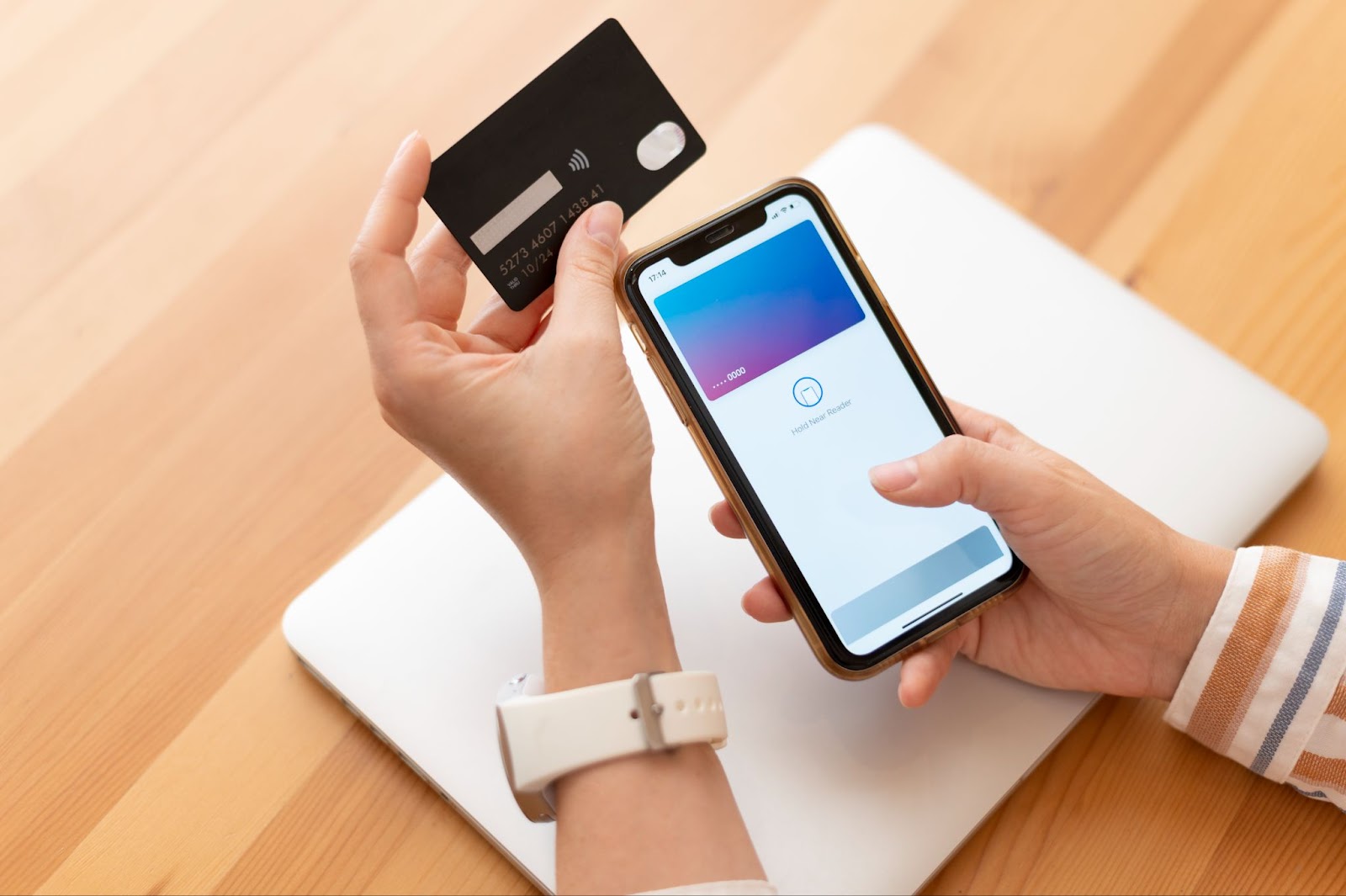
In simple terms, a digital wallet is an online tool that securely stores your payment info for use in apps, websites, or even in-store purchases. A mobile wallet is a type of digital wallet that works through your smartphone or smartwatch, letting you tap to pay or send money on the go.
Many supplement merchants hit the same wall: payments get declined, funds are frozen, or accounts are suddenly closed with little warning. Sales may look strong, but access to money becomes unpredictable. Supplements are labeled high-risk because they’re linked to health claims, refund disputes, and higher chargeback rates. Even compliant products can cause issues when customer expectations aren’t met or rules change.
Payment processors manage risk for banks and card networks. They review industries using data like chargebacks, customer complaints, and regulatory exposure. Supplements rank high across these factors. The good news is clarity helps. When merchants understand why this happens and how processors think, they can choose better providers, improve compliance, and keep payments stable. Read on.
What Payment Processors Mean by “High-Risk”
High-risk is a term payment processors use to describe businesses that are more likely to lose money or create disputes, not businesses that are doing anything illegal. From a processor’s point of view, risk is about patterns and probabilities. They look at how likely a business is to trigger chargebacks, refunds, fines, or regulatory problems that could cost banks and card networks money. Processors usually evaluate:
- Chargeback history – How often customers dispute transactions
- Refund ratios – How frequently customers ask for their money back
- Regulatory exposure – How closely the industry is monitored or restricted
- Customer complaints – Patterns of dissatisfaction or misleading expectations
There’s also an important difference between business risk and product risk. Business risk relates to how a company operates which is with billing clarity, support, fulfillment. Product risk relates to what is being sold and how customers perceive it. For example, high-risk supplement merchants often face product risk due to health-related expectations, even if their business practices are solid. High-risk simply means closer monitoring, not wrongdoing.
Why the Supplement Industry Raises Red Flags

The supplement industry raises red flags because it sits between health, marketing, and consumer trust. Unlike fashion or electronics, supplements affect how people feel and perform, which creates strong expectations.
Claims around weight loss, muscle gain, immunity, energy, or hormone balance often deliver mixed results. When outcomes don’t match promises, customers are more likely to ask for refunds or file chargebacks. There’s also a grey area between supplements, nutraceuticals, and pharmaceuticals. A product may be acceptable in one market but restricted in another, making global compliance harder.
Rules change quickly across regions, especially around ingredients and marketing language. Even compliant sellers can be flagged overnight. Because disputes and refunds happen more often, processors monitor this space closely. That’s why many brands need a nutraceutical merchant account built to handle higher scrutiny and ongoing risk.
Chargebacks and Refunds: The Biggest Risk Factor
Chargebacks are the biggest risk for supplement merchants. Products tied to results like weight loss, muscle gain, or immunity often lead to disputes when expectations aren’t met. Even honest sellers face higher rates than other eCommerce niches. Common customer behaviors tend to be:
- “Didn’t work” claims
- Impulse purchases
- Subscription confusion
High chargeback rates hurt processor relationships, leading to frozen funds, rolling reserves, or account closures. This is why supplements get extra scrutiny. Merchants must manage expectations, clarify subscriptions, and maintain strong customer service. Using solutions that support secure international payments helps reduce risk and keeps accounts in good standing while protecting cash flow.
Marketing Claims and Compliance Issues
Aggressive marketing in the supplement industry often triggers closer scrutiny from payment processors. Claims that overpromise results or mislead customers increase the risk of disputes, refunds, and regulatory complaints. Common marketing problems:
- Before-and-after images that exaggerate results
- Influencer endorsements that overstate benefits
- Unsupported health claims in copy or ads
Processors use compliance monitoring to catch these issues early. They don’t want to be associated with products that could violate regulations or attract fines. Even if a supplement is legal, aggressive or misleading marketing raises red flags, making it harder for merchants to secure accounts and maintain stable payment processing. Clear, honest marketing reduces risk and keeps processor relationships strong.
Cross-Border Sales Increase Risk Even More
Cross-border supplement sales add extra layers of risk for merchants and payment processors. Different countries have varying regulations on ingredients, labeling, and health claims, making compliance more complex. Common international issues currently are:
- Currency conversion disputes causing unexpected charges
- Shipping delays or customs holds frustrating customers
- Higher likelihood of refunds or chargebacks from international buyers
These factors make international transactions more closely monitored. Even merchants with excellent domestic records can see issues arise abroad. To manage these challenges, it’s essential to work with providers that support secure international payments, ensuring funds are protected, transactions are compliant, and cross-border disputes are minimized, keeping global growth safe and reliable.
Why Many Banks and PSPs Simply Say “No”

Many banks and PSPs say “no” to supplement businesses because they follow strict risk‑avoidance rules. Traditional banks prefer predictable, low‑dispute industries and often avoid anything tied to health claims. Most use one‑size‑fits‑all underwriting models. If an industry has a high chargeback history, individual businesses are rejected without deeper review. This is where supplements lose out. Smaller or newer brands are hit hardest. With limited processing history, they’re seen as unproven, even if they operate honestly. A single spike in refunds or complaints can raise alarms. Sudden account shutdowns usually happen when monitoring systems flag rising risk. Funds may be frozen while the bank exits the relationship to protect itself.
How Specialized Providers Support Supplement Businesses
Standard payment processors often treat all merchants the same, rejecting or limiting businesses in industries like supplements. High-risk processors, on the other hand, specialize in handling the unique challenges of these markets. Specialized providers offer:
- Higher chargeback thresholds to accommodate the natural disputes in health-related products
- Rolling reserves, which hold a small percentage of funds temporarily to cover potential chargebacks
- Ongoing compliance reviews to ensure marketing and products meet regulations
A nutraceutical merchant account makes sense for supplement sellers looking for reliable processing without sudden freezes or closures. Stability is crucial, so consistent access to funds and secure transactions allows merchants to focus on growth, customer service, and marketing. While fees may be higher than standard accounts, the reliability and protection these accounts provide outweigh cost concerns, making them a practical choice for long-term business health.
What Supplement Merchants Can Do to Reduce Risk
Supplement merchants can take several practical steps to reduce risk, improve processor relationships, and protect cash flow.
- Clear product descriptions – Accurately describe benefits, ingredients, and results; avoid exaggeration or vague promises.
- Transparent refund and shipping policies – Outline timelines, conditions, and procedures so customers understand returns and delays.
- Conservative marketing language – Use cautious, accurate wording; avoid bold claims or before-and-after images.
- Subscription clarity – Clearly communicate recurring billing terms to prevent confusion and disputes.
- Customer support responsiveness – Respond quickly and helpfully to questions or complaints to prevent chargebacks.
- Monitoring dispute ratios – Track refunds and chargebacks regularly to catch issues early and take corrective action.
Following these steps helps supplement merchants’ lower risk, maintain stable accounts, and build trust with both customers and processors, supporting smooth secure international payments.
Final Thoughts: High-Risk Doesn’t Mean High-Failure
Being labeled “high-risk” doesn’t mean your supplement business is destined to fail, on the contrary, it simply signals the need for careful management. Think of it as high-responsibility rather than danger. Therefore, preparation is key. Go for clear product descriptions, honest marketing, transparent policies, and responsive customer support all reduce disputes and build processor trust. By staying proactive, merchants can maintain stable accounts, manage chargebacks, and navigate regulations confidently.
Focusing on these practices fosters long-term sustainability, stronger customer relationships, and smoother payment operations. High-risk status is an opportunity to operate smarter, not a reason to panic. With diligence and clarity, supplement businesses can thrive safely and reliably.
FAQ
Why are supplement merchants labeled high-risk?
Supplement merchants face claims, disputes, and strict regulatory scrutiny.
Are all supplement businesses considered high-risk?
Not all, risk varies by product, region, and business model.
Can a supplement business get a regular merchant account?
Yes, sometimes, but often only temporarily due to higher risk.
Do high-risk accounts mean higher fees?
Yes, fees are higher because processors cover chargeback and compliance risks, but merchants gain stability, higher thresholds, and ongoing support
How can supplement merchants accept international payments safely?
Merchants can accept international payments safely by using providers that ensure compliance, monitor for fraud, and offer secure international payments, protecting funds and reducing disputes.
References
Stripe: High-risk merchant accounts explained
https://stripe.com/resources/more/high-risk-merchant-accounts-explained
SumUP: High-risk merchant accounts: what they are, pros and cons
https://www.sumup.com/en-gb/running-business/payments/high-risk-merchant-account
DECTA: What is a High-Risk Merchant Account?
https://www.decta.com/company/media/what-is-a-high-risk-merchant-account
Related Articles

Vellis News
30 June 2025
How to Set up Your Salon Deposit Policy?
A salon deposit policy is a clear guideline that requires clients to pay part of their service cost upfront to reserve an appointment. This policy is vital for today’s beauty businesses because it protects valuable time, ensures clients honor their bookings, and helps maintain a steady income.

Vellis News
20 November 2025
Risk Management in Open Banking: Beyond Fraud Detection
Open banking has unlocked a new era of financial innovation. By allowing banks, fintechs, and third-party providers to securely share customer data through APIs, it has reshaped how people manage money, access financial services, and interact with digital platforms.

Vellis News
13 November 2025
Choosing the Right Stablecoin Infrastructure for Your Payment Service
As digital payments evolve, more businesses are looking to stablecoins to support fast, low-cost, and global transactions. But behind every stablecoin transaction lies something just as important as the token itself: the stablecoin infrastructure that powers it.
We use cookies to improve your experience and ensure our website functions properly. You can manage your preferences below. For more information, please refer to our Privacy Policy.

© 2025 Vellis Inc.Vellis Inc. is authorized as a Money Services Business by FINTRAC (Financial Transactions and Reports Analysis Centre of Canada) number M24204235. Vellis Inc. is a company registered in Canada, number 1000610768, headquartered at 30 Eglinton Avenue West, Mississauga, Ontario L5R3E7, Canada.