



What Are Payment Rails
Behind every transaction lies a sophisticated web of systems called payment rails. These are the digital highways that enable funds to move between banks, businesses, and consumers safely and efficiently. If money moves electronically, payment rails make it happen.
VELLIS NEWS
31 Oct 2025
By Vellis Team
Vellis Team
Automate your expense tracking with our advanced tools. Categorize your expenditures
Related Articles

Vellis News
4 October 2025
Reduce Transaction Fees with Open Banking
If you’re running a business, transaction fees are one of those hidden costs that can eat into your profits more than you realize. Every time a customer pays by card, a slice of that transaction goes to card networks, banks, and processors. For small and medium-sized enterprises, these costs add up quickly and can even affect pricing decisions.

Vellis News
18 February 2026
How SMEs Can Benefit from Modern Direct Debit Solutions
Direct debit is an automated, bank-to-bank payment method that lets businesses collect recurring or scheduled payments once a customer gives approval. Many SMEs rely on automation to keep cash flow steady, cut down manual admin work, and avoid late or missed payments. Today, modern platforms make direct debit for SME simple to use, even without […]

Vellis News
25 August 2025
Hair Transplant Financing and Payment Options
For a fairly unknown trend, hair transplants have become one of the most sought-after cosmetic procedures, but their price often holds patients back. Since treatments can run into thousands of dollars and are rarely covered by insurance, finding a way to pay is often as important as the surgery itself.
Payment rails are the backbone of modern finance, powering everything from credit card swipes and payroll deposits to cross-border wire transfers and mobile wallet payments. Depending on the region and technology, different rails facilitate different types of money movement.
Understanding Payment Rails
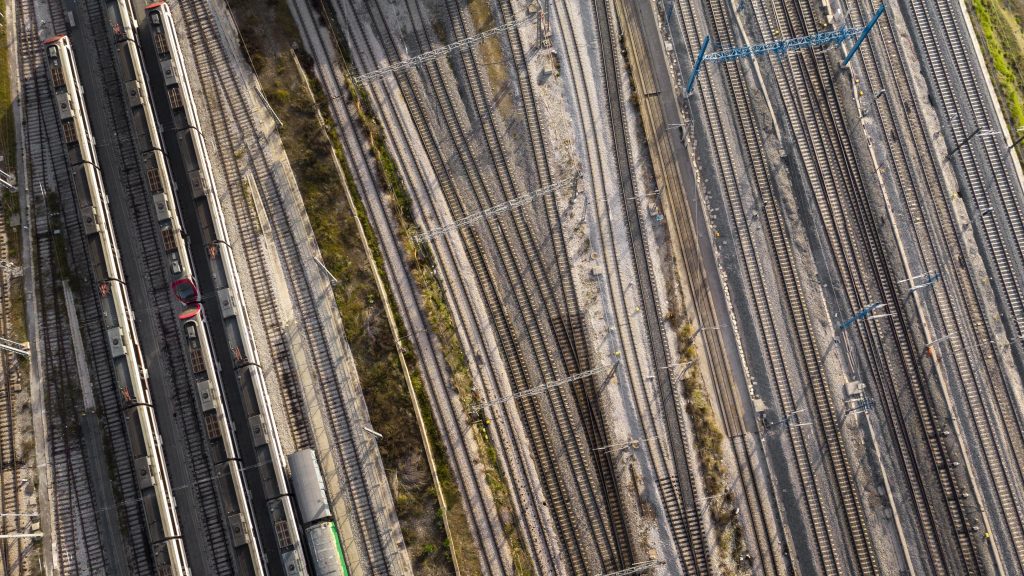
Think of payment rails as the “plumbing” of the financial system. They are the invisible pathways that ensure funds flow smoothly between accounts while maintaining transaction security, verification, and final settlement.
Each payment rail operates under specific rules and technologies, depending on its purpose. Some are designed for domestic payments like paying your utility bill, while others handle international transfers that move across borders and currencies. For example:
- ACH (Automated Clearing House) rails process batch transactions, such as payroll and direct debits.
- Card network rails like Visa and Mastercard handle real-time authorization and settlement for card-based purchases.
- SWIFT rails power international wire transfers across thousands of banks worldwide.
- RTP (Real-Time Payments) systems enable instant, 24/7 fund transfers.
All these systems are part of the broader financial infrastructure that underpins the global economy. Without them, everyday financial activities would grind to a halt.
How Payment Rails Work
Every transaction that moves through a payment rail follows a series of steps, even if they occur in seconds:
- Transaction initiation: A customer or business initiates payment, such as swiping a card or sending a transfer.
- Payment data transmission: The information travels through the payment rail to the appropriate financial institution.
- Authorization and verification: The payer’s bank confirms sufficient funds and approves the transaction.
- Clearing and settlement: The funds are transferred from the payer’s bank to the recipient’s bank, finalizing the transaction.
Behind the scenes, payment processors, gateways, and financial intermediaries manage these communications to ensure accuracy, compliance, and fraud protection.
Types of Payment Rails
Different types of payment rails serve different transaction needs:
Card Rails
Operated by major networks like Visa, Mastercard, and American Express, these handle credit and debit card payments.
ACH Rails
The Automated Clearing House processes batch payments such as payroll deposits or bill payments in the U.S.
Wire Transfer Rails
High-value or international transfers rely on systems like SWIFT, which link thousands of banks worldwide.
RTP (Real-Time Payments)
Enables immediate fund transfers 24/7, increasingly adopted by banks and fintechs.
Blockchain and Crypto Rails
Decentralized systems that provide alternative methods for peer-to-peer and cross-border payments.
Each rail differs in speed, cost, and purpose. For instance, ACH transfers are low-cost but slower, while RTP offers instant movement at a higher technological cost.
Domestic vs. International Payment Rails
Domestic and international payment rails serve different scopes of financial activity.
- Domestic rails (e.g., ACH in the U.S., SEPA in Europe, FedNow) handle local transactions in a single currency.
- International rails (e.g., SWIFT, VisaNet) move funds across borders, managing currency exchange, time zones, and compliance checks.
Cross-border payments face added complexity due to varying regulations and data standards. This is where ISO 20022, a global financial messaging standard, plays a crucial role. It standardizes payment data formats worldwide, allowing smoother, more transparent communication between financial systems.
International interoperability also ties closely to how countries operate within frameworks like the Dual Banking System, where both traditional and Islamic banking coexist and require shared payment standards to ensure compliance and efficiency across borders.
Key Players in the Payment Rail Ecosystem
The global payment ecosystem relies on several interconnected players:
- Central Banks: Provide oversight, issue regulations, and sometimes operate key domestic payment systems.
- Commercial Banks: Act as the main participants sending and receiving funds through the rails.
- Card Networks & Fintechs: Facilitate transactions and innovate new payment technologies.
- Payment Processors & Gateways: Serve as intermediaries connecting merchants to banks.
- BaaS (Banking-as-a-Service) Providers: Offer infrastructure that helps fintechs plug into existing payment rails with ease.
Each player ensures reliability, compliance, and connectivity — all essential for both domestic and international financial flows.
Emerging Technologies Transforming Payment Rails
New technologies are reshaping the speed, security, and accessibility of payments. Here’s how innovation is transforming traditional payment infrastructure:
- Real-Time Payments (RTP): Networks like FedNow and The Clearing House RTP system allow instant fund transfers, improving liquidity and user experience.
- Blockchain & Distributed Ledger Technology (DLT): Reduces intermediaries and enhances transparency in cross-border payments.
- API-Driven Connectivity: Fintechs now use APIs to connect directly with banks, offering seamless payment experiences.
These innovations are part of a broader movement toward open banking and data interoperability, reducing friction across borders and promoting financial innovation.
Benefits of Efficient Payment Rails
Strong payment rails benefit not only businesses but the entire economy. Here’s how:
Speed and Convenience
Faster settlements and fewer delays.
Lower Costs
Reduced processing fees and improved efficiency.
Security and Transparency
Real-time monitoring reduces fraud risk.
Scalability
Businesses can support both domestic and global expansion.
Support for Local & International Finance
Reliable rails facilitate everything from local & international finance operations, from retail payments to corporate transfers.
In essence, effective payment rails enhance trust and enable digital transformation for financial ecosystems worldwide.
Challenges and Limitations
Despite progress, payment rails still face several hurdles:
- High Cross-Border Costs: International transfers often incur multiple intermediary fees.
- Settlement Delays: Traditional systems like SWIFT can take several days.
- Legacy Infrastructure: Many banking systems rely on outdated technology.
- Lack of Interoperability: Domestic systems often don’t connect seamlessly with international rails.
Efforts are underway to modernize these systems, including global adoption of ISO 20022 and new instant payment initiatives. Yet, balancing speed, cost, and security remains a constant challenge.
The Future of Payment Rails
The payment landscape is evolving faster than ever. Here’s what lies ahead:
- Expansion of Real-Time Payments: Networks like RTP and FedNow will continue to drive instant payment adoption.
- Wider Use of ISO 20022: This will standardize payment data globally, improving accuracy and interoperability.
- Integration of Blockchain and Traditional Systems: Expect hybrid solutions that combine stability with speed.
- Rise of Central Bank Digital Currencies (CBDCs): Governments exploring digital money will reshape national and global payment ecosystems.
- Smarter Routing and Cost Optimization: Using technologies like payment middleware, businesses can intelligently direct transactions through the most efficient rails.

As innovation accelerates, the line between traditional banking and fintech continues to blur. The future payment rail ecosystem will likely combine legacy systems, digital assets, and real-time networks to deliver faster, cheaper, and more inclusive financial services.
Frequently Asked Questions (FAQs)
What are payment rails in simple terms?
Payment rails are the systems that allow money to move electronically between banks, businesses, and financial institutions. They’re the “tracks” that payments travel on when you send or receive funds digitally.
What is the difference between ACH and card payment rails?
ACH transfers process payments in batches, usually taking one to two days, while card payment rails handle transactions instantly through card networks like Visa or Mastercard.
Are payment rails the same worldwide?
No. Each country has its own domestic systems, such as ACH in the U.S. or SEPA in Europe. However, global standards like SWIFT and ISO 20022 help improve communication and interoperability across borders.
How do payment rails affect businesses?
Businesses depend on payment rails for seamless money movement, from customer payments and payroll to vendor settlements and international transfers. Efficient rails mean faster cash flow and lower operational costs.
What are the newest innovations in payment rails?
Modern payment rails are being transformed by blockchain technology, open banking APIs, and real-time payment systems like FedNow and RTP, which enable faster, more transparent, and secure transactions.
References
Bank for International Settlements. (2023). Payment systems and their role in financial stability. Retrieved from https://www.bis.org
The Clearing House. (2024). Real-Time Payments: How RTP is transforming modern finance. Retrieved from https://www.theclearinghouse.org
SWIFT. (2024). ISO 20022 migration and the future of cross-border payments. Retrieved from https://www.swift.com
Related Articles

Vellis News
22 August 2025
How to Open a Foreign Currency Bank Account?
A foreign currency bank account is a type of account that lets you hold, send, or receive money in a currency other than your country’s local one. Unlike standard domestic accounts, which only deal in the local currency, these accounts are designed to manage international payments without constant currency conversion.

Vellis News
15 July 2025
Buy Now Pay Later (BNPL) with Botox Treatments
When it comes to looking and feeling your best, Botox remains one of the most popular aesthetic treatments on the market. But for many people, the cost can be a barrier especially when it’s time for touch-ups every few months.

Vellis News
25 March 2025
What is a SWIFT Code?
A SWIFT code is a unique identifier used by banks for international transactions. It consists of 8 to 11 characters that include the bank’s name, country, location, and sometimes a branch code. Also known as a Bank Identifier Code (BIC), a SWIFT code ensures that money is sent securely between financial institutions worldwide.
We use cookies to improve your experience and ensure our website functions properly. You can manage your preferences below. For more information, please refer to our Privacy Policy.

© 2025 Vellis Inc.Vellis Inc. is authorized as a Money Services Business by FINTRAC (Financial Transactions and Reports Analysis Centre of Canada) number M24204235. Vellis Inc. is a company registered in Canada, number 1000610768, headquartered at 30 Eglinton Avenue West, Mississauga, Ontario L5R3E7, Canada.