



Understanding Liquidity & Backing of Stablecoins in Payment Systems
Stablecoin liquidity and backing play a central role in ensuring trust, reliability, and smooth operation across modern digital payment systems. Hence, liquidity refers to how easily a stablecoin can be exchanged or redeemed for fiat or other assets, while backing represents the reserves, cash, treasuries, or equivalents, that guarantee each token’s value.
VELLIS NEWS
2 Nov 2025
By Vellis Team
Vellis Team
Automate your expense tracking with our advanced tools. Categorize your expenditures
Related Articles

Vellis News
25 August 2025
How To Pay For Your Plastic Surgery With Bad Credit
It goes without saying that plastic surgery can be a life-changing decision, but it often comes with a price tag that’s difficult to manage upfront. Many patients look for financing options to make the cost more manageable, yet those with bad credit often run into extra challenges when trying to secure approval. That doesn’t mean the door is closed.

Vellis News
25 February 2026
Managing Chargebacks in Gaming & Gambling: Best Practices for Merchants
Built on speed, gambling and gaming players expect instant deposits, immediate gameplay, and fast withdrawals. But behind every seamless transaction is a risk layer most users never see: chargebacks. For merchants operating in the industry, gaming chargebacks can quietly erode margins, damage processor relationships, and threaten account stability. Managing them is a strategic priority. This […]

Vellis News
1 March 2026
Recurring Payments and Subscriptions in the Supplements Market
Selling supplements once is simple, but building long-term customer relationships is where real growth happens. Many brands depend on one-time purchases and hope buyers return, yet busy schedules and changing routines often interrupt that cycle. Supplements are designed to be taken daily or monthly, which makes them a natural fit for subscription models. When products […]
Together, they provide the confidence that users and institutions need to treat stablecoins as dependable instruments for transactions and settlements. Strong liquidity ensures rapid transfers and redemptions, while solid backing underpins long-term price stability. As stablecoins become increasingly integrated into B2B transactions, fintech platforms, and cross-border payment networks, maintaining transparent liquidity and credible reserve structures is key to sustaining market trust and operational efficiency.
What Liquidity and Backing Mean in the Context of Stablecoins
Liquidity refers to the ability to quickly convert stablecoins into fiat currency or other assets without causing major price slippage. Backing represents the reserves, such as cash, government bonds, or short-term securities, that collateralize each stablecoin, maintaining its value and redemption reliability. Together, these two elements determine a stablecoin’s trustworthiness and practical usability within payment ecosystems. When liquidity is deep and reserves are transparent, users can transact confidently, knowing their tokens hold real value. Strong liquidity and credible backing also reduce stablecoin volatility risk, making these assets more appealing for institutional adoption and regulatory approval in modern digital finance.
How Stablecoin Liquidity & Backing Affect Payment Systems
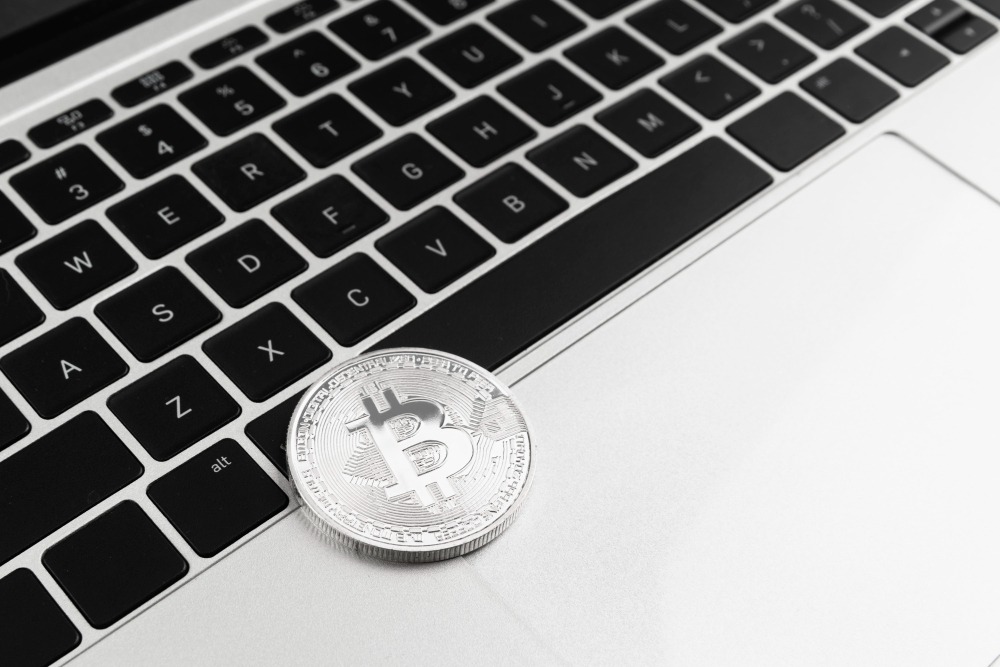
Liquidity refers to the ability to quickly convert stablecoins into fiat currency or other assets without causing major price slippage. Backing represents the reserves, such as cash, government bonds, or short-term securities, that collateralize each stablecoin, maintaining its value and redemption reliability. Together, these two elements determine a stablecoin’s trustworthiness and practical usability within payment ecosystems. When liquidity is deep and reserves are transparent, users can transact confidently, knowing their tokens hold real value. Strong liquidity and credible backing also reduce stablecoin volatility risk, making these assets more appealing for institutional adoption and regulatory approval in modern digital finance.
Types of Stablecoin Backing Models
Stablecoins use different reserve structures to maintain price stability and trust, each with unique implications for risk, transparency, and adoption in global payment systems.
- Fiat-Backed Stablecoins: These are supported by equivalent reserves of cash or short-term government securities held by regulated issuers. Examples like USDC and PYUSD offer high transparency, making them suitable as stablecoin for SME payments and institutional settlements.
- Crypto-Backed Stablecoins: Backed by digital assets such as ETH, these stablecoins, like DAI for instance, are often overcollateralized to absorb crypto market volatility, ensuring stability even during price swings.
- Algorithmic Stablecoins: These rely on automated supply-and-demand mechanisms to maintain their peg, but they carry higher risk due to potential liquidity shocks and loss of market confidence.
- Hybrid or Multi-Asset Models: Combining fiat, crypto, or commodities, these models seek to balance transparency, liquidity, and decentralization for more resilient payment applications.
Evaluating Stablecoin Liquidity in Practice
Stablecoin liquidity can be assessed through key metrics such as trading volume, market depth, redemption speed, and exchange availability, all indicators of how efficiently a token can move within a crypto stablecoin payment system. Liquidity providers, market makers, and exchanges play vital roles in maintaining healthy markets by continuously offering buy and sell orders, ensuring stable pricing and swift conversions. Strong fiat on/off ramps and interoperability between different blockchain networks further enhance liquidity by allowing users to move funds seamlessly across platforms. So, stablecoins with limited trading activity or exchange support may experience slower redemptions, wider spreads, and price discrepancies, especially during periods of market volatility or high redemption pressure.
The Relationship Between Backing Transparency and Market Trust

Verified audits and regular public disclosures are fundamental to building confidence in a stablecoin’s reserve quality and overall credibility. When users and institutions can clearly see that a stablecoin is fully backed by verifiable assets, it strengthens trust and supports broader adoption in financial markets. Conversely, past instances of limited or inconsistent transparency have fueled skepticism and triggered increased regulatory scrutiny. To prevent such issues, best practices now include publishing monthly attestation reports, engaging independent auditors, and implementing real-time on-chain reserve tracking for greater accountability. Well-regulated issuers such as Circle and PayPal set strong examples by maintaining open reporting standards and clear asset verification, reinforcing both user confidence and regulatory acceptance across the evolving digital payments landscape.
The Role of Liquidity Management in Payment Infrastructure
Payment processors, PSPs, and merchants rely heavily on stablecoin liquidity to ensure smooth settlements, instant payouts, and uninterrupted transaction flows. Effective liquidity management enables them to process payments efficiently without facing delays or shortages during high-volume periods. Treasury teams use strategies such as balance forecasting, buffer reserves, and diversified holdings to maintain sufficient liquidity for settlements, refunds, and operational needs. Advanced tools like automated liquidity routing, smart liquidity pools, and API integrations further enhance efficiency by enabling real-time fund transfers and optimizing liquidity across multiple networks. Ultimately, well-managed liquidity minimizes counterparty risk, ensures reliable cross-border transactions, and strengthens the stability of modern payment ecosystems built on digital assets and stablecoins.
Key Risks Related to Liquidity and Backing
There are bound to be certain risks, though, related to liquidity and backing, and the most common one include:
- De-pegging Risk: Occurs when reserves are insufficient or sudden redemption demands trigger a drop in value, undermining trust in the stablecoin.
- Market Liquidity Shortages: Limited exchange access can delay settlements or increase transaction costs during high-demand periods.
- Custodial Risk: Arises if issuers or custodians mismanage, misreport, or fail to properly safeguard reserves, affecting the token’s reliability.
- Regulatory and Operational Risk: Unclear oversight, inconsistent compliance, or gaps in operational controls can leave liquidity vulnerable during stress events.
- Mitigation Strategies: Diversifying holdings across multiple well-backed stablecoins, ensuring access to reliable liquidity sources, and maintaining transparent reserve reporting helps reduce these risks and supports efficient, secure payment operations.
How Regulators Address Stablecoin Liquidity and Backing
Regulators such as the EU under MiCA, the U.S. through the Stablecoin Act, and Singapore’s MAS mandate reserve audits, redemption guarantees, and transparent reporting. These frameworks aim to strengthen confidence in stablecoin liquidity, enabling broader institutional adoption. Clear oversight reduces uncertainty and market risks, while ongoing debates consider systemic vulnerabilities and the potential of CBDCs as safer alternatives to private stablecoins in payments and settlements.
The Future of Stablecoin Liquidity in Global Payments
The rise of tokenized cash and real-time settlement systems is expected to enhance stablecoin liquidity, enabling faster and more efficient transactions. Increasing integration between stablecoins, traditional banks, and fintech payment rails will further streamline cross-border and domestic payments. Advances in real-time reserve audits and transparent on-chain liquidity tracking will boost trust and operational reliability. Therefore, stablecoins with strong liquidity and verified backing are poised to drive the next wave of digital payment innovation.
FAQs
Why is liquidity important for stablecoins?
Liquidity is crucial for stablecoins because it enables rapid exchange or redemption, ensuring smooth payments, settlements, and overall market confidence.
What determines the strength of a stablecoin’s backing?
Mainly factors like reserve composition, asset diversification, regulatory oversight, and audit frequency.
How does poor liquidity affect merchants and payment processors?
Poor liquidity can delay payouts, increase transaction costs, and disrupt settlements, creating operational challenges for merchants and payment processors.
Which stablecoins have the most reliable liquidity and backing?
Usually well-capitalized, regulated examples such as USDC, PYUSD, and EUROC due to transparent reserves and high market depth.
Can stablecoins operate without traditional fiat backing?
Yes, stablecoins can operate without fiat backing, but algorithmic or crypto-collateralized models involve higher volatility and greater liquidity risk.
References
Rapyd: How Stablecoins are Moving Payments Beyond Banking Hours
https://www.rapyd.net/blog/what-is-a-stablecoin/amp
Brookings: What are stablecoins, and how are they regulated?
https://www.brookings.edu/articles/what-are-stablecoins-and-how-are-they-regulated/
Trovata: How Stablecoins Could Transform Treasury Liquidity Management
https://trovata.io/blog/stablecoins-treasury-liquidity-management/
DTCC: Stablecoins, Liquidity and the Future of Tokenized Assets: A Global Perspective
Related Articles

Vellis News
7 November 2025
Dynamic Currency Conversion in E-commerce: Payment Processing Implications
Dynamic Currency Conversion (DCC) is a service that lets international shoppers see and pay for their orders in their own currency during checkout. It matters in global eCommerce because it adds price clarity and helps merchants reach customers in more markets.

Vellis News
17 October 2025
Green Payments: How Eco-Friendly Card Processing Attracts Clients
Going green has become essential in today’s world. Green payments are systems designed with sustainability in mind, using recyclable card materials, renewable energy, and carbon offset programs to lower environmental impact. As consumers demand more responsible practices, eco-friendly payment processing blends financial efficiency with environmental care.

Vellis News
30 June 2025
In Person vs Virtual Therapy: What’s the Difference and Which One Is Right for You?
Therapy has come a long way from the traditional face-to-face session in a quiet office. With technology becoming more embedded in everyday life, virtual therapy has become a widely accepted alternative to conventional in-person therapy.
We use cookies to improve your experience and ensure our website functions properly. You can manage your preferences below. For more information, please refer to our Privacy Policy.

© 2025 Vellis Inc.Vellis Inc. is authorized as a Money Services Business by FINTRAC (Financial Transactions and Reports Analysis Centre of Canada) number M24204235. Vellis Inc. is a company registered in Canada, number 1000610768, headquartered at 30 Eglinton Avenue West, Mississauga, Ontario L5R3E7, Canada.