


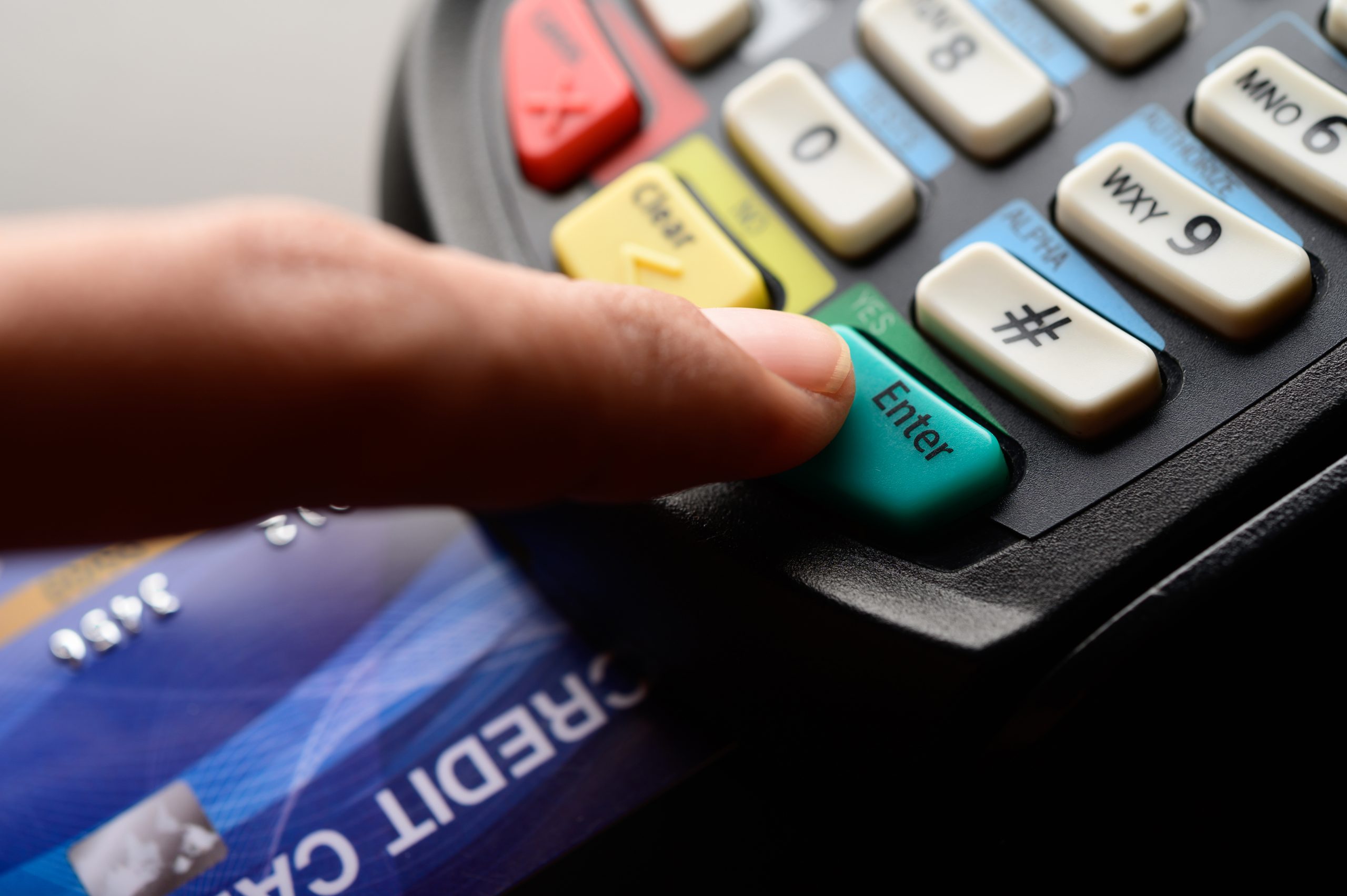
What Is Direct Debit and How Does It Work?
If you’ve ever paid a utility bill automatically, stayed subscribed to a streaming platform without thinking about monthly payments, or set up hands-free billing for insurance, you’ve likely encountered direct debit even if you didn’t realize it. So, what is direct debit, and why has it become such a widely used payment method across the […]
VELLIS NEWS
18 Feb 2026
By Vellis Team
Vellis Team
Automate your expense tracking with our advanced tools. Categorize your expenditures
Related Articles

Vellis News
9 October 2025
Understanding the Difference Between Open Banking and PSD2
Before we dwell upon the detailed understanding of the differences, it is important to note that open banking and PSD2 are closely connected but not the same. Open banking is the practice of sharing financial data securely through APIs, allowing third-party providers to create new services.

Vellis News
31 March 2025
The Vital Role of Risk Management for High-Risk Businesses in Payment Processing
Effective risk management is crucial for high-risk businesses, particularly in industries requiring specialized payment processing. Whether dealing with high-risk industries, these businesses must navigate unique challenges, including higher exposure to fraud, regulatory hurdles, and chargebacks. This article delves into key strategies for addressing these challenges, highlighting how high-risk businesses can benefit from secure payment processing […]

Vellis News
10 November 2025
Stablecoins in Treasury Management – Efficiency & Risk for Enterprises
In recent years, stablecoin treasury management has emerged as a powerful innovation for how enterprises handle liquidity, settlements, and cross-border transactions.
If you’ve ever paid a utility bill automatically, stayed subscribed to a streaming platform without thinking about monthly payments, or set up hands-free billing for insurance, you’ve likely encountered direct debit even if you didn’t realize it.
So, what is direct debit, and why has it become such a widely used payment method across the world?
Direct debit is an automated way to move money from one bank account to another. Individuals and businesses rely on it for predictable and recurring payments like subscriptions, memberships, rent, and service fees.
Instead of customers manually sending money each time, direct debit allows approved payments to happen automatically on a set schedule.
Unlike card payments, direct debit works through bank-to-bank transfers. Different regions operate under their own frameworks, but the underlying principle remains the same: secure, authorized, automated transfers.
Understanding Direct Debit

To break it down further, direct debit is known as a “pull” payment mechanism. This means the business (also called the payee) initiates the transfer after receiving formal authorization from the customer (the payer).
Before any money moves, the customer provides consent through a mandate. This mandate confirms:
- Who is allowed to collect payments
- From which bank account
- Under what conditions (amount, frequency, or variability)
Once approved, the business can collect payments without requiring customer action each time. Direct debit supports both recurring payments and one-off payments, such as a single utility adjustment or annual membership fee.
Because everything is tied to bank authorization, direct debit payments are structured, traceable, and governed by clear rules within banking networks.
How Direct Debit Works Behind the Scenes
Although direct debit feels simple to users, several steps occur behind the scenes to ensure accuracy and security.
The process typically follows this sequence:
- Mandate setup:The customer provides authorization through a paper form or digital mandate.
- Mandate submission: The mandate details are securely stored and shared with the payment processor or bank.
- Payment scheduling: The business sets the payment amount and collection date.
- Bank processing: The request is routed through banking systems.
- Settlement: Funds move from the customer’s bank to the business’s account after processing cycles.
Multiple parties are involved in every transaction: the payer, the merchant, the banks on both sides, and often a payment processor acting as an intermediary. Processing timelines vary depending on the system used.
For example, ACH payments in the U.S. may take several business days, while SEPA debits in Europe often follow standardized settlement windows.
Each region’s banking infrastructure determines cutoff times, notification periods, and return windows, which all contribute to the reliability of direct debit systems.
Advantages of Direct Debit for Consumers and Businesses
Direct debit remains popular because of its balance of convenience and control.
For consumers, it removes the need to remember due dates, manually initiate payments, or deal with late fees caused by oversight. Bills get paid on time, subscriptions remain uninterrupted, and budgeting becomes more predictable.
For businesses, automation improves cash-flow visibility and reduces operational effort. Payments arrive on schedule, reconciliation becomes easier, and administrative costs drop significantly.
Utilities, insurance providers, gyms, education platforms, and professional service firms all benefit from reduced manual handling. Over time, consistent payment collection also builds trust and strengthens long-term customer relationships.
Comparing Direct Debit to Other Payment Methods
Direct debit is often compared to card payments, bank transfers, and standing orders, but each method operates differently.
With card payments, transactions depend on card validity, available credit, and network approvals. Cards expire, get replaced, or fail due to fraud checks, leading to higher involuntary churn.
Manual bank transfers require customers to initiate each payment, which increases the risk of missed or delayed transactions.
Standing orders, while automated, are controlled by the customer and typically fixed in amount. This contrasts sharply with direct debit vs standing order, where direct debit allows the business to adjust amounts (within mandate terms) and manage schedules more flexibly.
Because direct debit bypasses card networks and operates directly through banks, it tends to have lower failure rates and more predictable outcomes for recurring billing.
Security, Protections, and the Direct Debit Guarantee
One common misconception is that direct debit is risky because it gives businesses access to bank accounts. In reality, it’s one of the most regulated and consumer-friendly payment systems available.
Most direct debit schemes include formal protection frameworks, often referred to as direct debit guarantees. These protections ensure customers can receive refunds for unauthorized or incorrect payments, usually through their bank.
Banks play a critical role by validating mandates, enforcing notification rules, and managing dispute resolution. If an error occurs, customers don’t need to chase the business directly; their bank can reverse the payment while the issue is investigated.
This layered approach to security is why direct debit is widely trusted for financial commitments involving long-term or high-value payments.
Setting Up Direct Debit for Individuals or Businesses
Setting up direct debit starts with mandate collection. This can be done through:
- Online authorization forms
- Secure digital signature tools
- Paper mandates (less common today)
The customer provides essential account information, agrees to the terms, and confirms consent. Verification steps may include account validation or confirmation notifications before the first payment is collected.
For businesses, third-party processors simplify the process by handling compliance, bank connectivity, and mandate storage. This allows even smaller companies to implement automated billing without complex banking relationships.
Many providers offer dashboards, reporting tools, and integrations with accounting or subscription platforms, making it easier to manage payments at scale.
Direct Debit in Global Payment Systems
While the concept is universal, direct debit operates differently across regions.
In the United States, ACH debit governs most bank-based recurring payments. It emphasizes batch processing and defined return windows. Europe uses SEPA Direct Debit, which standardizes rules and supports cross-border euro transactions. The UK relies on the Bacs system, known for its long-established direct debit guarantee.
These systems vary in processing speed, customer notification requirements, and dispute timelines. Cross-border direct debit is possible in some cases but may be limited by currency, regulatory, or banking compatibility factors.
Understanding these regional differences is crucial for businesses operating internationally or offering global subscription services.
When Direct Debit May Not Be the Ideal Payment Option
Despite its advantages, direct debit isn’t always the best fit.
Industries that require real-time settlement may prefer instant card payments. Some customers are also hesitant to share bank details, especially for short-term or low-value purchases.
Highly variable billing models or high-risk industries may face additional scrutiny or longer settlement delays. In scenarios where instant authorization, rapid refunds, or immediate dispute resolution are essential, alternative payment methods may be more appropriate.
That said, for predictable, recurring transactions, direct debit remains one of the most efficient options available.

From individual bill payments to enterprise-level subscription management, direct debit offers a structured solution that reduces errors, lowers churn, and supports sustainable cash flow. Whether you’re exploring direct debit for businesses or looking to get access to a direct debit solution, understanding how it works is the first step toward smarter payment management.
Frequently Asked Questions (FAQs)
Is direct debit a payment method?
Yes. Direct debit is an automated bank-to-bank payment method where funds are pulled from a customer’s account after they authorize a mandate.
How long does a direct debit payment take to process?
Processing time varies by region and network. ACH (U.S.) typically takes 1–3 business days, SEPA (EU) 1–2 business days, and Bacs (UK) around 3 business days.
Can direct debit be used for one-time payments?
Yes. Many direct debit schemes support both one-off payments and recurring debits under a single or standalone mandate.
What information is needed to set up a direct debit?
Typically, the payer’s bank account details, identity information, and explicit authorization (mandate consent) are required.
What happens if there is insufficient money in the account?
The payment fails and is returned unpaid. Providers may retry the debit, notify the customer, and apply failure or return fees depending on scheme rules.
Can customers cancel a direct debit?
Yes. Customers can cancel a mandate through their bank or the business. Once notified, businesses must stop collecting payments immediately.
Are direct debit payments safe?
Yes. Direct debit schemes include mandate verification, bank-level security controls, and consumer protections such as refund and dispute rights.
References
European Central Bank. (2023). SEPA direct debit scheme rulebooks. European Payments Council.
https://www.europeanpaymentscouncil.eu/what-we-do/sepa-schemes/sepa-direct-debit
Nacha. (2024). ACH network: How ACH payments work.
https://www.nacha.org/content/how-ach-works
UK Finance. (2023). Direct Debit explained.
https://www.ukfinance.org.uk/payment-services/direct-debit
Related Articles

Vellis News
24 June 2025
What is Virtual Therapy? Types, Uses, and Cost
In a world where convenience is everything, it’s no surprise that mental health care has also gone digital. If you’ve ever wondered what virtual therapy is, you’re not alone. As mental health awareness grows, so does the popularity of virtual therapy as a practical, accessible solution for individuals seeking support for emotional and psychological well-being.

Vellis News
14 July 2025
What is AML Compliance?
AML stands for Anti-Money Laundering, and it refers to a set of laws, regulations, and procedures designed to prevent criminals from disguising illegally obtained funds as legitimate income. AML compliance is essential for protecting the financial system from being misused by bad actors.

Vellis News
19 August 2025
Due Diligence in the Medical Spa Industry
Before buying, selling, or investing in a medical spa, one essential step you can’t afford to skip is due diligence. This simply means taking a closer look at all the important parts of the business, things like finances, daily operations, legal documents, and whether the spa is following health and safety rules.
We use cookies to improve your experience and ensure our website functions properly. You can manage your preferences below. For more information, please refer to our Privacy Policy.

© 2025 Vellis Inc.Vellis Inc. is authorized as a Money Services Business by FINTRAC (Financial Transactions and Reports Analysis Centre of Canada) number M24204235. Vellis Inc. is a company registered in Canada, number 1000610768, headquartered at 30 Eglinton Avenue West, Mississauga, Ontario L5R3E7, Canada.