



Using BNPL to Increase Customer Loyalty and Repeat Purchases
Buy Now Pay Later has grown into more than a simple checkout feature, what’s more, it’s become a strategic payment option that shapes how customers interact with a brand long after the first purchase.
VELLIS NEWS
25 Nov 2025
By Vellis Team
Vellis Team
Automate your expense tracking with our advanced tools. Categorize your expenditures
Related Articles

Vellis News
30 June 2025
In Person vs Virtual Therapy: What’s the Difference and Which One Is Right for You?
Therapy has come a long way from the traditional face-to-face session in a quiet office. With technology becoming more embedded in everyday life, virtual therapy has become a widely accepted alternative to conventional in-person therapy.
Vellis News
18 November 2025
Scaling Your E-commerce Payment Infrastructure for Peak Traffic
In the tech evolving world, it’s important to get the gist of how various payment infrastructures work. Scaling your eCommerce payment infrastructure means building payment systems that can handle sudden spikes in transactions without slowing down, failing, or causing checkout issues.
Vellis News
11 July 2025
What are QR Code Payments?
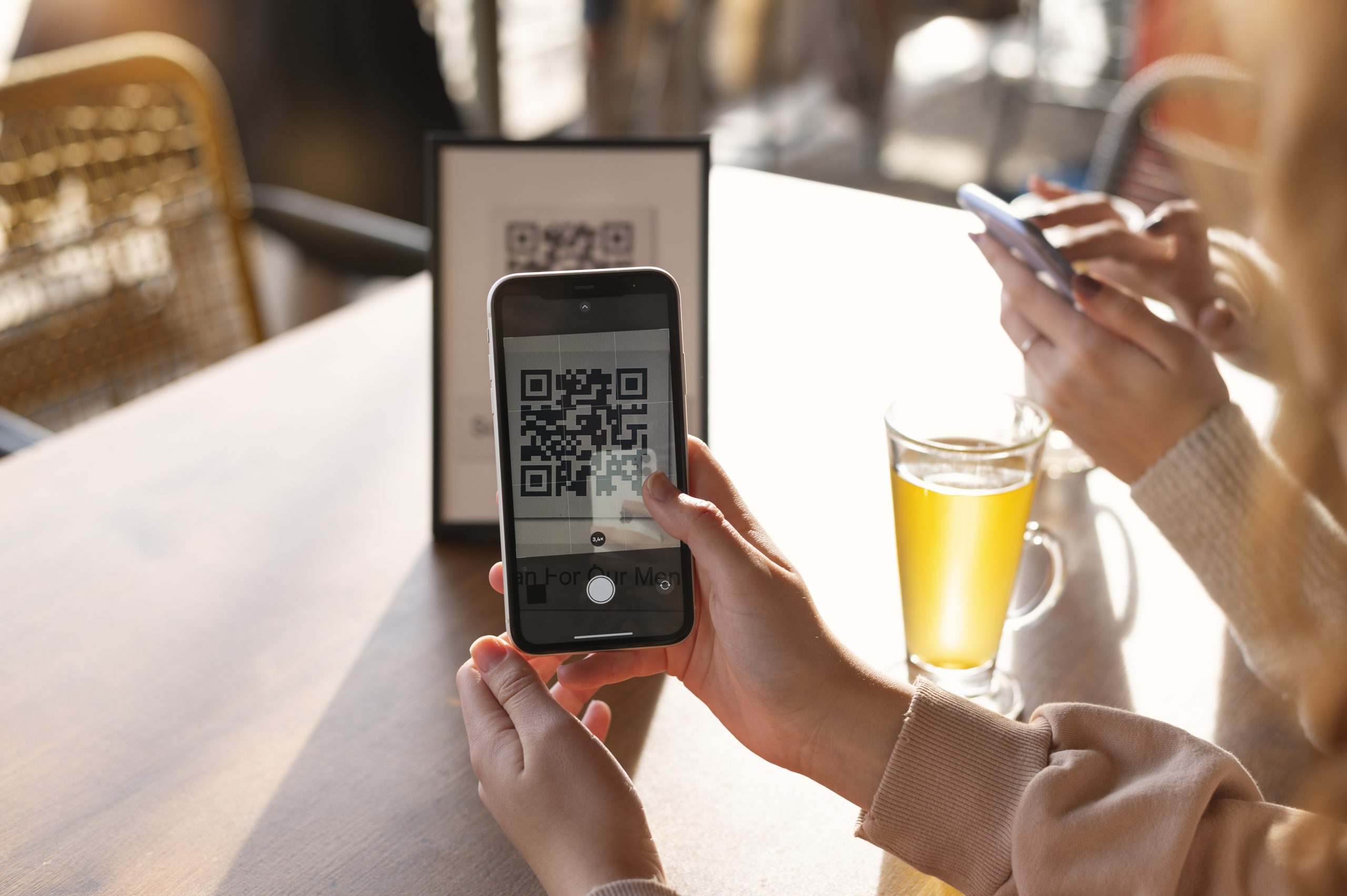
QR code payments are changing the way we pay: faster, contactless, and more convenient than ever before. If you’ve ever scanned a square pattern at a restaurant table or checkout counter to pay your bill, you’ve already used this technology.
When shoppers get flexible ways to pay, it often feels easier to return, explore more products, and build a steady relationship with the retailer. This is where bnpl customer retention comes into the picture, connecting flexible payments with loyalty, comfort, and long-term engagement. In this article, the focus is on how these systems support customers and retailers, strengthen loyalty, and contribute to long-range revenue without making any performance promises. Read on to find out more.
How BNPL Customer Retention Works in Modern Retail
In practical terms, this type of retention means keeping shoppers engaged after their first installment purchase and encouraging them to return because the payment experience felt simple and manageable. Installment options influence repeat decisions by giving people more control over timing and budgeting, which makes a second or third purchase feel less stressful. They also reduce hesitation for returning customers, since the payment process is already familiar and trusted. This is very different from short-term conversion wins at checkout; retention focuses on long-lasting relationships rather than one quick sale. As retailers adapt to wider BNPL market growth, these ongoing customer habits become a core part of building stable revenue and steady buying patterns.
Customer Retention BNPL Strategies Across the Purchase Lifecycle
Retention strategies span the entire customer journey, from the first interaction to long-term engagement. When shoppers use BNPL for the first time, a smooth, flexible experience can encourage a second or third purchase, creating early habits of returning to the same retailer. Offering tailored financing options based on customer needs helps strengthen trust and builds lasting relationships. As shoppers continue to engage, strategies evolve to match their growing lifetime value, with personalized offers, reminders, and incentives that feel relevant. Retailers often leverage BNPL data analytics to track purchasing patterns, understand behavior, and refine these strategies, ensuring that flexible payments continue to support repeat engagement and long-term loyalty.
The Psychological Impact of Payment Flexibility on Loyalty
Payment flexibility eases the mental load of managing expenses, reducing financial friction and making purchases feel more approachable. Predictable installment schedules help build trust, as customers know exactly what to expect and feel in control of their spending. This sense of reliability can deepen emotional loyalty, turning casual buyers into repeat shoppers who feel confident in their choices. When shoppers trust the system, they are more likely to return, explore additional products, and develop lasting habits. Many retailers encourage customers to use Buy Now Pay Later services from Vellis, for instance, which reinforces this sense of security and shows how thoughtful, flexible payment options can directly influence long-term loyalty and repeat behavior.
BNPL and Its Influence on Repeat Purchase Behavior

BNPL can have a noticeable impact on how often customers shop, encouraging more frequent engagement with a brand. After their first experience, many shoppers adjust their buying habits, feeling more comfortable planning future transactions knowing they can spread payments over time. Completing installments successfully reinforces confidence, making customers more likely to return for additional purchases. Deferred payments also affect timing, as people often schedule new purchases around when prior installments are due, creating a natural rhythm of repeat engagement. By reducing the immediate financial burden, BNPL helps shape patterns of consistent buying behavior, turning occasional shoppers into returning customers who feel in control of their spending.
The Role of BNPL in Strengthening Customer Experience
BNPL enhances the overall customer experience by making payments simple, predictable, and stress-free. When the checkout process is smooth and transparent, shoppers feel more satisfied immediately after their purchase, which reinforces positive feelings toward the brand. Simple and flexible payment options also shape how customers perceive loyalty, as ease and reliability encourage trust and repeat engagement. Over time, these small but meaningful improvements in the buying journey contribute to long-term retention, turning positive experiences into lasting relationships and helping retailers foster a base of returning, satisfied customers.
BNPL as a Tool for Increasing Customer Lifetime Value
BNPL can play a key role in driving customer lifetime growth by encouraging ongoing engagement beyond the first purchase. When shoppers use flexible payments, repeat transactions become more manageable, which gradually increases the total revenue generated from each customer. Over time, this usage shapes long-term buying patterns, as customers grow comfortable returning to the same retailer for new products. Retailers can also forecast lifetime value by analyzing BNPL behaviors, such as installment completion rates and frequency of repeat purchases, allowing them to tailor offers and retention strategies that maximize the potential of each customer relationship.
BNPL Solutions and Loyalty Program Integration
Integrating BNPL with loyalty programs can create a seamless way to boost repeat engagement and reward returning customers.
- Interaction with loyalty programs: BNPL solutions can be linked to points, tiers, or rewards, so that flexible payments also contribute to a customer’s loyalty status.
- Points, cashback, and incentives: Customers using BNPL may earn extra points, cashback, or special discounts, making the payment method more attractive.
- Encouraging repeat use: When loyalty benefits are tied to installment purchases, shoppers are motivated to return and use BNPL again, reinforcing habitual engagement.
- Integration challenges: Combining BNPL platforms with existing loyalty tools may require careful coordination to track rewards accurately and maintain a smooth customer experience.
Customer Segmentation and BNPL Retention Performance
BNPL customers often behave differently from traditional payment users, mainly because they value flexibility and smoother budgeting options. Retailers segment these shoppers according to spending patterns and financing preferences, which helps reveal who is most likely to return after an installment-based purchase. Retention can vary across product categories and price tiers, since some shoppers use BNPL for everyday items while others choose it for higher-value goods. Retailers identify high-retention BNPL users through purchase frequency, installment completion, and engagement trends, allowing them to shape strategies that support long-term loyalty.
Risks and Limitations of BNPL-Driven Retention Strategies

Relying too heavily on financing-based retention can create a sensitive balance, as customers may return mainly because the payment method feels easier rather than because they truly value the brand. Repeat BNPL users can also face overextension risks if they take on more installments than they can comfortably manage. Late or missed payments may weaken trust, making shoppers feel uncertain about future purchases or hesitant to use the service again. Ethical considerations also come into play, since long-term BNPL usage should support customers rather than push them into unhealthy spending habits.
Measuring the Impact of BNPL on Loyalty and Retention
Businesses track BNPL-driven retention by reviewing how often customers return after their initial installment purchase and how long they stay active. Key metrics such as repeat purchase rate and lifetime value help show whether flexible payments actually support deeper loyalty. Cohort analysis adds another layer, allowing retailers to compare groups of BNPL users over time and see how their habits change. Detailed payment data plays an important role here, as patterns in payments reveal which customers are likely to stay engaged and which ones may need stronger retention support.
The Future of BNPL in Customer Loyalty Strategies
BNPL will continue to grow as a loyalty driver, giving shoppers smoother and more predictable ways to pay. Personalization will shape tailored financing offers that match individual spending habits. Data-driven retention strategies will expand, helping retailers understand how flexible payments support stronger customer relationships. As competition increases, BNPL providers will refine their loyalty positioning with better experiences and clearer value for returning customers.
FAQs
How does BNPL influence customer loyalty differently from discounts?
BNPL builds ongoing trust through financing ease, while discounts create brief, price-driven motivation.
Are BNPL customers more likely to become repeat buyers?
Yes, smooth installment experiences and easy budgeting often encourage repeat use and ongoing engagement.
Can BNPL improve retention for both high-ticket and low-ticket products?
Yes, BNPL supports retention across price ranges, though impact varies by product category and spending comfort.
Does BNPL affect customer lifetime value positively or negatively?
It can raise lifetime value through repeat spending, but risks like overextension can limit long-term gains.
How can retailers balance BNPL retention with responsible financing?
Retailers balance retention by setting clear limits, monitoring usage, and communicating terms responsibly.
Reference
MoneI: 7 Reasons to Add Buy Now, Pay Later Options to Your E-commerce Site [+6 Examples]
https://monei.com/blog/buy-now-pay-later
Resolve: BNPL for retail businesses
https://resolvepay.com/blog/post/bnpl-for-retail-businesses
Citizens: How BNPL gives customers more purchasing power
Connecting the Dots Info: Closing the Loyalty Loop with Buy Now, Pay Later
https://www.connectingthedotsinfin.tech/closing-the-loyalty-loop-with-buy-now-pay-later
PayNoPain: “Buy Now, Pay Later”: What it is and its advantages
https://paynopain.com/en/blog/buy-now-pay-later-what-is-it-and-what-are-its-advantages/
Related Articles
Vellis News
25 March 2025
Alternative Payment Methods: A Comprehensive Guide
Long forgotten are the days when cash and cards were the only ways to pay for something. Nowadays, an abundance of innovative technological changes has brought upon spring and professional alternative payment methods that are becoming more popular due to their speed, efficiency, and reliance. The shift from traditional (seemingly slow and boring) credit card payments to cutting-edge digital solutions has opened up numerous advantages.

Vellis News
19 August 2025
Due Diligence in the Medical Spa Industry
Before buying, selling, or investing in a medical spa, one essential step you can’t afford to skip is due diligence. This simply means taking a closer look at all the important parts of the business, things like finances, daily operations, legal documents, and whether the spa is following health and safety rules.

Vellis News
22 August 2025
What is Multi-Currency Pricing (MCP)?
Multi-currency pricing (MCP) is a feature that lets businesses show and accept payments in the currency their customers use every day. Instead of seeing prices in just USD or EUR, shoppers can view them in their own local currency such as GBP, JPY, or AUD, making the buying process feel more familiar and trustworthy.
We use cookies to improve your experience and ensure our website functions properly. You can manage your preferences below. For more information, please refer to our Privacy Policy.

© 2025 Vellis Inc.Vellis Inc. is authorized as a Money Services Business by FINTRAC (Financial Transactions and Reports Analysis Centre of Canada) number M24204235. Vellis Inc. is a company registered in Canada, number 1000610768, headquartered at 30 Eglinton Avenue West, Mississauga, Ontario L5R3E7, Canada.