



Integrating BNPL Into Ecommerce Platforms, ERP, and Billing Systems
BNPL is becoming a standard payment choice for both online retail and B2B transactions as companies look for easier ways to support flexible purchasing.
VELLIS NEWS
24 Nov 2025
By Vellis Team
Vellis Team
Automate your expense tracking with our advanced tools. Categorize your expenditures
Related Articles

Vellis News
22 August 2025
What Is Sliding Scale Therapy
The cost of therapy can be a big barrier for many people seeking help. While mental health awareness is growing, affordability often keeps individuals from following through with treatment.

Vellis News
5 May 2025
eCommerce Payment Methods: How to Choose
In today’s global, digital-first economy, ecommerce payment methods are central to how businesses connect with customers and close sales. Choosing the right payment options is a strategic decision that impacts user experience, boosts conversion rates, reduces fraud, and supports scalable growth. This article offers insights for local and international ecommerce businesses, whether B2C or B2B.
Vellis News
27 March 2025
What Is a Digital Wallet?
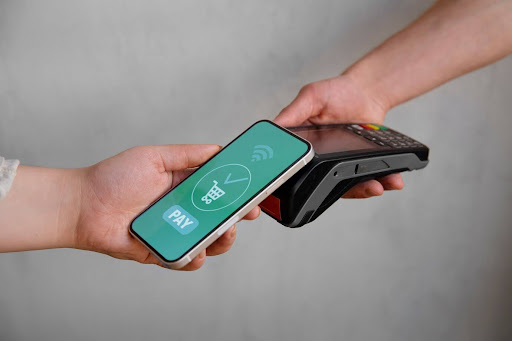
A digital wallet, or e-wallet, is a virtual version of a physical wallet that securely stores payment methods like credit cards, cryptocurrencies, and gift cards. It simplifies online and in-store purchases using technologies like QR codes and Near Field Communication (NFC).
Effective scaling depends on smooth system links that automate data flow, reduce errors, and keep approval decisions fast. In this context, BNPL integration for erp systems sits alongside ecommerce platforms, billing tools, and core payment workflows to ensure every step runs consistently. This introduction focuses on the scope and business value of these connections without going into technical setup.
What BNPL Integration Means for Modern Payment Infrastructure
BNPL integration refers to the way different systems connect to support a smooth, automated payment journey from the moment a customer checks out to the point the transaction reaches accounting records. At the frontend, it links the checkout flow with a BNPL provider so customers receive instant decisions without delays. In the backend, it passes data to accounting and billing tools to record installments, reconcile payouts, and manage BNPL merchant fees with clear tracking. APIs and middleware act as the bridge, moving information between platforms in a secure and consistent way. This setup supports real-time updates, allowing payments, approvals, and settlement details to appear immediately across all internal systems, which keeps operations accurate and reduces manual work.
BNPL Integration for ERP Systems
BNPL links with core ERP modules by sending order data, customer details, and finance records directly into the system without extra manual steps. The ERP then processes each transaction by tracking installments, payouts, and provider settlements, while also managing receivables in a clear and structured way. Invoices, credits, and payment statuses stay synchronized so accounting teams always see the most current information. Reconciliation happens through matched data from the provider, allowing the ERP to confirm payouts, identify discrepancies, and close records efficiently. This smooth flow supports transparency and reflects ongoing BNPL market growth across many industries.
BNPL ERP Systems in Multi-Channel Commerce Operations

BNPL ERP systems help retailers manage omnichannel sales by keeping orders and payments aligned across web stores, physical shops, and mobile channels. All order and payment details flow into one place, so data stays consistent no matter where the customer buys. This gives managers clear visibility into performance, outstanding installments, and daily settlements. The ERP also brings online and in-store BNPL transactions together, making reporting and reconciliation easier for finance teams. These connected workflows show how merchants can set up Buy Now Pay Later services with Vellis for instance while keeping operations unified across every channel.
Integrating BNPL With Ecommerce Platforms
BNPL integrates with ecommerce platforms via plugins or built-in modules, linking stores with providers. It adds the payment option at checkout while handling approvals and transactions in the background. Checkout integration shows the method and confirms orders, while backend processing tracks settlements, refunds, and installments. Major platforms like Shopify, WooCommerce, Magento, and BigCommerce support BNPL with ready-made extensions. Merchants enable the service, select the provider, adjust display rules, and set limits or eligibility conditions before going live.
Connecting BNPL to Billing and Subscription Systems
BNPL connects to billing and subscription systems by passing approval, schedule, and customer data directly into invoicing tools. Each installment appears as a separate entry, allowing the system to track what has been paid and what remains open. Automated scheduling posts installments on their due dates without manual work. When a customer makes a partial payment or an installment fails, the billing system updates the balance, triggers reminders, and adjusts future entries so records stay accurate and easy to monitor.
Payment Processing Flow in BNPL System Integrations
The BNPL payment flow starts at checkout, where the customer selects the installment option and receives an instant approval decision. Once approved, the order is confirmed, and the provider authorizes the payment. After delivery or according to the agreement, the provider captures the transaction and begins the payout process. BNPL providers work with payment gateways to verify details, secure the transaction, and route funds correctly. The customer pays the provider over time, the provider settles the full amount with the merchant, and both sides track updates through their connected systems.
Data Synchronization, Automation, and Reconciliation
Real-time synchronization updates orders, payments, and statuses the moment they change, while batch syncing groups updates into scheduled runs. Both methods keep records aligned, but real-time offers faster visibility. Automated posting sends installments, fees, and payouts into accounting tools without manual entry, which reduces errors and saves time. Reconciliation compares BNPL transaction data with bank settlements to confirm payouts and spot issues. Common mismatches come from timing delays, partial refunds, duplicate entries, or missing settlement files.
Security, Fraud Control, and Risk Management in BNPL Integrations
Integrated BNPL systems help detect fraud by sharing customer, device, and transaction signals across platforms, allowing providers to flag risky patterns early. Data protection follows strict security rules, including encryption, access controls, and safe handling of personal and financial information. During checkout, risk scoring reviews identity details, spending behavior, and past activity to decide whether to approve or decline an order. Ongoing monitoring runs across all connected systems, comparing payouts, orders, and repayment behavior to catch unusual activity before it causes losses.
Operational Benefits of BNPL Integration for Businesses

Integrated BNPL systems give businesses clearer insight into cash flow because all installments, payouts, and upcoming amounts appear in one place. Settlement tracking becomes faster since data from providers syncs directly into finance tools without delays. Payment accuracy improves as orders, refunds, and installments are recorded consistently, which strengthens reporting and reduces errors. Customers also get a smoother experience, with clear schedules, instant decisions, and timely updates, all supported by systems that keep every step aligned and easy to follow.
Common Technical Challenges in BNPL System Integrations
Similar to many other systems integration, there could be certain technical challenges, and for BNPL system integration such include:
- API compatibility issues can appear when platforms use different standards or outdated versions.
- Legacy ERP and billing systems may struggle with modern BNPL workflows or lack required fields.
- Sync delays and data mapping errors can create gaps between orders, payments, and settlements.
- Uptime and dependency risks arise when merchants rely on multiple external services to keep transactions running.
Selecting the Right BNPL Provider for System Integration
Merchants assess a BNPL provider’s technical strength by reviewing integration options, API quality, platform compatibility, and how easily the service connects to existing systems. Clear documentation, responsive support, and frequent update cycles make implementation smoother and reduce issues later. Long-term stability depends on how well the provider maintains performance, handles version changes, and supports new features without breaking existing workflows. The right provider also influences scalability, since reliable systems allow businesses to manage higher volumes, add channels, and expand without major operational strain.
The Future of BNPL Integration Across Commerce and Finance Systems
Unified payment orchestration will continue to grow as businesses look for cleaner ways to manage all payment methods in one place. AI and automation will streamline integrations by predicting issues, reducing manual steps, and improving approval accuracy. Real-time synchronization will become standard, giving finance teams instant insight into orders, installments, and settlements. Regulation will push providers to follow clearer technical and operational rules, shaping how data flows between systems and how platforms manage risk while staying compliant.
FAQs
How long does a typical BNPL system integration take?
Most BNPL integrations take a few days to several weeks, depending on platform complexity and required customizations.
Do BNPL integrations require changes to existing ERP systems?
Some ERPs need simple configuration, while older versions may require custom development or version updates.
Can BNPL be integrated into both invoicing and checkout at the same time?
Yes, BNPL can integrate with checkout and invoicing, with shared data flowing between both paths.
How are BNPL settlements reflected inside ERP financial reports?
Settlements post as receivables and cleared payments, with reconciliation updates appearing once payouts are confirmed.
What are the most common causes of BNPL integration failures?
Integration often fails due to API version conflicts, authentication errors, or incorrect data mapping.
References
Tamata Tech: Importance of Buy Now Pay Later (BNPL) For Your Ecommerce Business
https://tameta.tech/blogs/topics/importance-of-buy-now-pay-later-bnpl-for-your-ecommerce-business
Diginyze: How Buy Now, Pay Later (BNPL) Can Boost Your Online Store Profits
https://www.diginyze.com/blog/how-buy-now-pay-later-bnpl-can-boost-your-online-store-profits
Enkash: How to Integrate Buy Now, Pay Later (BNPL) into Your Online Store
https://www.enkash.com/resources/blog/how-to-integrate-buy-now-pay-later
Fluid: Boosting B2B E-commerce Conversions with BNPL
https://www.gofluid.io/posts/boosting-b2b-e-commerce-conversions-with-bnpl
Related Articles

Vellis News
21 August 2025
Currency Basket: What It Is, How It Works, Example
A currency basket is a deliberate mix of several currencies used as a reference point for valuation, hedging, or exchange rate management. Employed by central banks, multinationals, and global funds, currency baskets serve as a stabilizing tool, reducing excessive reliance on a single foreign currency.

Vellis News
24 September 2025
What is Credit Card Reconciliation? The Complete Guide
Credit card reconciliation is the process of reviewing and matching a business’s credit card transactions with internal records to ensure everything aligns. It is essential because it confirms accuracy, helps detect errors or fraud, and maintains financial transparency.
Vellis News
18 August 2025
What Is a Payment Scheme?
We use digital payments every day: swiping a card, sending money through an app, or paying a bill online. But have you ever wondered what makes these transactions work so seamlessly behind the scenes? The answer lies in payment schemes. Payment schemes are the backbone of modern finance. They’re the invisible structures that allow banks, […]
We use cookies to improve your experience and ensure our website functions properly. You can manage your preferences below. For more information, please refer to our Privacy Policy.

© 2025 Vellis Inc.Vellis Inc. is authorized as a Money Services Business by FINTRAC (Financial Transactions and Reports Analysis Centre of Canada) number M24204235. Vellis Inc. is a company registered in Canada, number 1000610768, headquartered at 30 Eglinton Avenue West, Mississauga, Ontario L5R3E7, Canada.