


How Buy Now Pay Later Is Changing the Global Payments Landscape
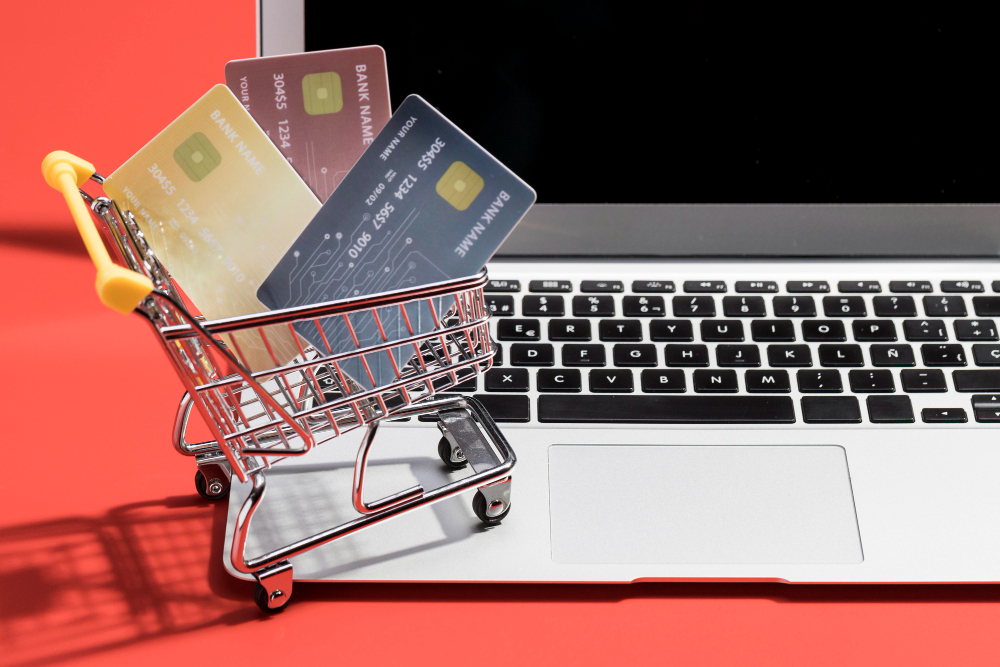
Buy Now Pay Later is transforming the way people pay, both online and in physical stores. Its rapid adoption is reshaping consumer habits and merchant payment strategies, encouraging greater flexibility and convenience at checkout.
VELLIS NEWS
25 Nov 2025
By Vellis Team
Vellis Team
Automate your expense tracking with our advanced tools. Categorize your expenditures
Related Articles
Vellis News
22 October 2025
Open Loop Card: What It Is, How It Works
Flexible payment tools have become indispensable for both consumers and businesses. Due to this, open loop cards have gained traction — a versatile payment solution that functions much like a debit or credit card, but without being tied to a specific retailer.

Vellis News
11 October 2025
Unlocking Open Banking for ERP Systems
Open banking allows secure data sharing between banks and authorized third parties through APIs, giving businesses real-time access to financial information. Accounting and ERP systems are core tools for managing cash flow, expenses, and business operations.

Vellis News
10 November 2025
Stablecoins in Treasury Management – Efficiency & Risk for Enterprises
In recent years, stablecoin treasury management has emerged as a powerful innovation for how enterprises handle liquidity, settlements, and cross-border transactions.
This shift affects a wide range of participants, including shoppers, retailers, banks, and other financial institutions across global markets. The growing popularity of these services highlights broader BNPL growth, showing that flexible installment options are becoming an essential component of modern digital payments worldwide.
BNPL Market Growth Across Global Economies
BNPL adoption varies widely across regions depending on market maturity, consumer behavior, and local payment infrastructure. In developed economies, users quickly embrace digital installments, while emerging markets often see slower uptake but high growth potential as mobile commerce expands. Ecommerce growth globally drives demand, making flexible payment options more common at checkout. Consumer preferences differ across borders, influenced by trust in credit, local regulations, and cultural attitudes toward borrowing. Businesses integrating these services often rely on BNPL integration for ERP systems to manage orders, settlements, and accounting consistently across markets, ensuring smooth operations while meeting regional expectations for speed, transparency, and convenience.
BNPL Industry Growth and the Expansion of Fintech Services

The rise of BNPL has fueled innovation across fintech, encouraging new solutions for payments, credit, and consumer financing. Startups often drive agile, user-focused offerings, while established banks and financial institutions integrate BNPL to expand their service portfolios. These developments are reshaping traditional financial models, influencing lending, savings, and payment products. BNPL also intersects with digital banking, creating seamless experiences that combine installments with broader financial tools. Many businesses leverage these services to improve BNPL customer retention, keeping shoppers engaged through flexible options and integrated financial solutions that strengthen long-term relationships.
The Role of BNPL Providers in Global Payment Transformation
BNPL providers are redefining how consumers expect to pay, offering flexibility, speed, and convenience at checkout. Competition among global and regional providers drives innovation, better user experiences, and more attractive terms for merchants. Their ecosystems integrate seamlessly with ecommerce platforms, wallets, and loyalty programs, shaping how payments are presented and processed. Pure-play BNPL firms focus solely on installment financing, while hybrid providers combine traditional credit, digital wallets, or banking services. Merchants can activate Buy Now Pay Later services through these providers to offer flexible options that meet modern consumer expectations and enhance conversion rates.
Consumer Behavior Shifts Driven by BNPL Adoption
BNPL is changing how consumers make purchasing decisions by offering flexibility and spreading costs over time. Shoppers increasingly seek installment-based options, preferring them over traditional credit or upfront payments. This shift often leads to higher purchase frequency and larger order values, as consumers feel more comfortable managing payments in parts. Usage patterns also vary by generation, with younger consumers adopting BNPL more readily due to digital familiarity, while older shoppers may use it selectively for convenience or larger purchases.
The Impact of BNPL on Traditional Banking and Credit Markets
BNPL is challenging traditional credit by offering faster, more flexible alternatives that appeal to consumers seeking convenience and transparency. Banks are responding by partnering with providers, launching their own installment products, or integrating BNPL features into digital banking platforms. These shifts are changing revenue models, as interest and fee structures adapt to shorter-term, installment-based payments. BNPL also affects how credit risk is assessed, requiring lenders to consider alternative repayment behaviors and integrate new data points to manage exposure while staying competitive in a changing financial landscape.
BNPL in Ecommerce, Retail, and Cross-Border Trade
In today’s cutting-edge world, it’s noted that BNPL helps increase ecommerce conversion by offering flexible payment options that reduce friction at checkout. In physical retail and omnichannel environments, it provides consistent installment experiences across online and in-store channels. BNPL also enables cross-border transactions by supporting multiple currencies, local regulations, and payment preferences, making international shopping easier for consumers. Merchants expand globally by integrating BNPL solutions that adapt to regional rules, languages, and consumer behaviors, ensuring seamless payments while maintaining transparency and trust for customers worldwide.
Regulatory Response to Global BNPL Expansion
Regulators are increasing oversight of BNPL services to ensure consumer protection, transparency, and responsible lending. Rules vary by region, reflecting local credit laws, data privacy standards, and financial market maturity. These frameworks affect both providers and users, influencing approval processes, disclosures, and reporting requirements. Global BNPL operators face compliance challenges as they must navigate differing regulations, adapt systems to meet local standards, and maintain consistent service quality while avoiding legal or financial penalties across multiple markets.
Data, Technology, and Infrastructure Powering BNPL Growth
Real-time data allows BNPL providers to approve or decline credit instantly, giving consumers a seamless checkout experience. Robust payment infrastructure and APIs connect ecommerce, billing, and banking systems, ensuring smooth transaction flows. Banking technology integrates with BNPL platforms to track installments, settlements, and customer accounts efficiently. Analytics tools help monitor repayment patterns, detect anomalies, and manage risk at scale, allowing providers to make informed decisions while maintaining operational efficiency across large volumes of transactions.
The Economic Impact of BNPL on Merchants and Revenue Models

It’s important to note that BNPL boosts merchant sales by making purchases more accessible and appealing to customers. It often increases average order value and attracts new shoppers who prefer flexible payments. Merchants weigh the cost of provider fees against the revenue gains from higher sales and repeat business. BNPL also influences pricing and promotions, as merchants can offer installment-based deals, special offers, or incentives that encourage larger baskets while maintaining profit margins and competitive positioning in the market.
Global Risks and Challenges Associated With BNPL Expansion
The rapid global expansion of BNPL brings both opportunities and significant risks that businesses and regulators must manage carefully.
- Credit risk: BNPL exposes providers to potential defaults, especially in markets with limited credit history or weak lending regulations.
- Consumer debt: Easy access to installment payments can lead to rising personal debt, financial stress, and missed payments if users overextend themselves.
- Fraud and misuse: Large-scale adoption increases vulnerability to identity theft, account takeover, and misuse of multiple BNPL accounts.
- Financial inclusion challenges: While BNPL can expand access to credit, it may inadvertently push financially vulnerable consumers into overcommitment.
- Operational strain: Providers must maintain robust monitoring, reconciliation, and risk management systems to mitigate losses across diverse markets.
These factors highlight the need for careful governance and responsible implementation globally.
The Future of Buy Now Pay Later in the Global Payments Ecosystem
The long-term outlook for BNPL points to continued expansion as consumers and merchants increasingly adopt flexible payment solutions. Regulatory developments will guide the next phase, ensuring transparency, responsible lending, and consistent standards across markets. Future integrations are expected to deepen with banking platforms, digital wallets, and broader payment networks, creating seamless, connected experiences. Global economic conditions, including inflation, employment trends, and consumer confidence, will influence adoption rates and payment behaviors. Strong financial infrastructure and strategic partnerships will be key to supporting sustainable growth while managing risk in an evolving global payments ecosystem.
FAQs
How fast is BNPL adoption growing globally?
BNPL adoption is expanding rapidly worldwide, with faster uptake in ecommerce-driven regions and industries focused on digital payments.
How does BNPL affect traditional credit products?
BNPL reduces reliance on credit cards and loans, encouraging consumers to prefer flexible, installment-based payments over traditional borrowing.
Are BNPL services regulated the same way worldwide?
BNPL regulation varies by country, with differing rules and ongoing updates to ensure consumer protection and market stability.
What industries benefit most from global BNPL adoption?
Ecommerce and retail benefit most due to high transaction volume, while services and B2B sectors are increasingly adopting BNPL for flexibility.
Can BNPL affect long-term consumer financial health?
Sure, nowadays BNPL can improve accessibility and budgeting but may increase debt risk if overused, highlighting the need for responsible consumer management.
References
Appventurez: How Buy Now Pay Later is Transforming Digital Payment Methods?
https://www.appventurez.com/blog/buy-now-pay-later
Utimaco: Banking & Payments: How Buy Now, Pay Later is Redefining the Payment Landscape
Emarketer: BNPL growth is slowing as the industry matures
https://www.emarketer.com/content/bnpl-growth-slowing-industry-matures
Related Articles

Vellis News
14 October 2025
How to Process Credit Card Payments with ERP Integration
This article explains how integration works, outlining key architecture options, setup steps, and compliance standards such as PCI DSS, 3DS, and SCA.

Vellis News
19 August 2025
Largest Biotech companies by Market Cap
Without doubt, biotechnology is one of the most powerful engines behind modern healthcare innovation. From cutting-edge therapies to life-saving diagnostics, biotech companies are shaping the future of medicine and improving lives worldwide.

Vellis News
22 September 2025
How Do Credit Card Refunds Work?
When you buy something with a credit card and later return it, you don’t usually get handed back cash. Instead, the amount is sent back to your credit card account as a refund. Seems simple, but refunds actually involve multiple players working together to reverse the original transaction.
We use cookies to improve your experience and ensure our website functions properly. You can manage your preferences below. For more information, please refer to our Privacy Policy.

© 2025 Vellis Inc.Vellis Inc. is authorized as a Money Services Business by FINTRAC (Financial Transactions and Reports Analysis Centre of Canada) number M24204235. Vellis Inc. is a company registered in Canada, number 1000610768, headquartered at 30 Eglinton Avenue West, Mississauga, Ontario L5R3E7, Canada.