

On average, credit card payments take between one to three business days to process, though the timeline can vary depending on transaction type, bank policies, and whether the payment is domestic or international. Let’s break it down step by step.
Understanding Credit Card Payment Processing
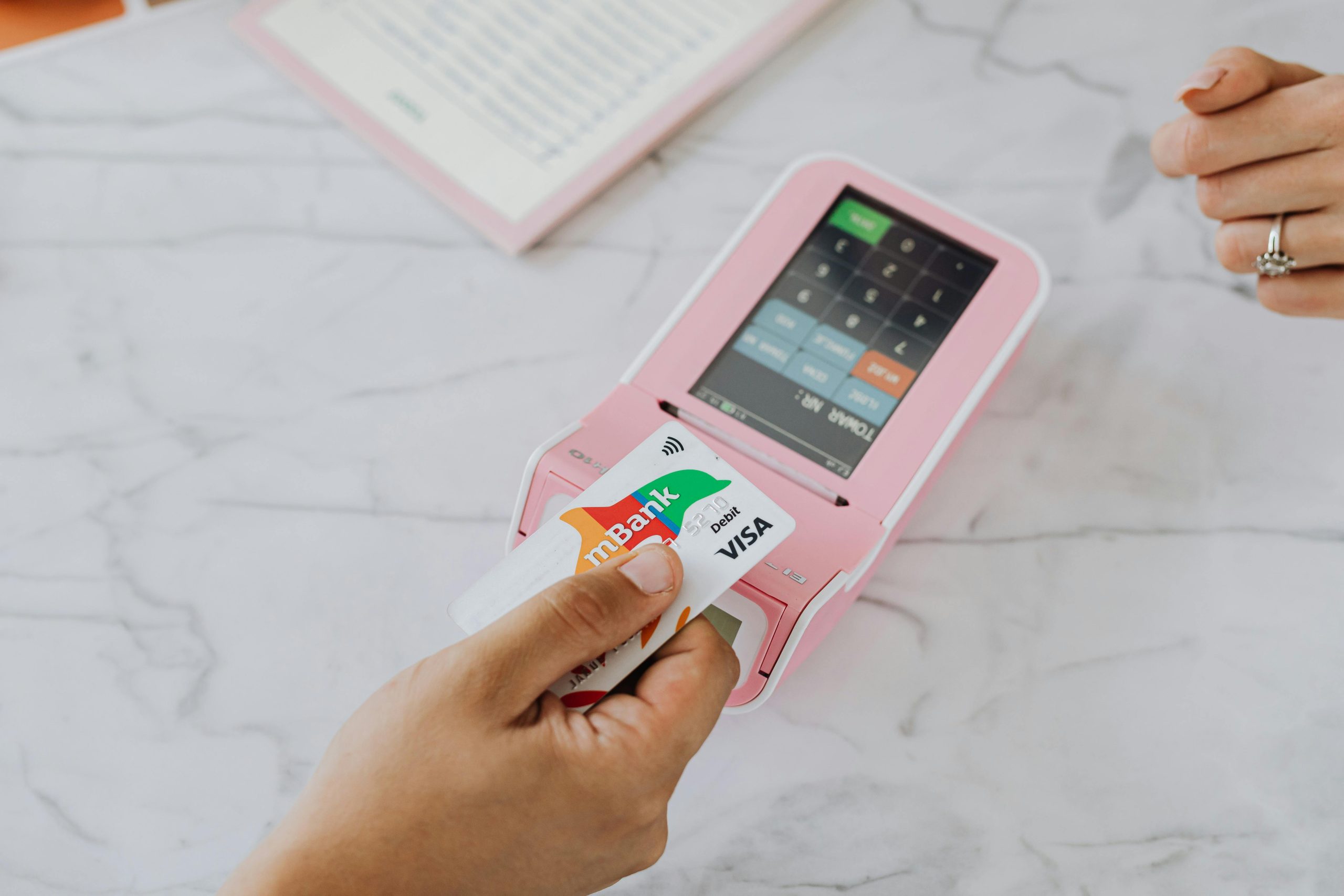
At its core, credit card payment processing is the system that allows money to move from a customer’s bank to a merchant’s bank when a purchase is made. Multiple parties are involved in this process:
- Merchant: the business accepting the payment.
- Acquiring bank: the merchant’s bank that receives the funds.
- Issuing bank: the customer’s bank that issued their credit card.
- Card networks: companies like Visa, Mastercard, or American Express that manage transaction routing.
- Payment processor: the technology partner that enables secure and smooth payment flow.
The process has three stages:
- Authorization: Customer’s bank approves or declines the transaction in seconds.
- Batching: Approved transactions are grouped by the merchant, usually at the end of the business day.
- Settlement: Funds move from the issuing bank to the acquiring bank, eventually showing in the merchant’s account.
Average Processing Times for Credit Card Payments
So, how long do credit card payments take to process? The industry standard is 1–3 business days, but timelines vary depending on several factors.
- In-person transactions: Swiped or tapped payments are often settled faster because they’re less prone to fraud.
- Online transactions: May take longer due to fraud checks and gateway processing.
- Card networks: Visa and Mastercard generally process quicker than Amex, which sometimes requires extra settlement steps.
For consumers, it means the payment may appear instantly as “pending,” but the merchant might not receive the money until two or three days later.
Factors That Affect Credit Card Payment Processing Time
Why do some payments clear quickly while others drag on? A few key factors play a role:
- Weekends and holidays: Banks don’t process settlements on non-business days, delaying transfers.
- Time of day: Payments submitted after a bank’s daily cut-off may not settle until the next day.
- Bank policies: Each issuing and acquiring bank has its own clearing schedule.
- International transactions: Currency conversions and cross-border rules often slow things down.
If you’ve ever wondered why your refund took a week to appear, these same delays usually apply in reverse.
How Long Do Credit Card Payments Take to Post to Accounts
It’s important to distinguish processing from posting. Processing refers to the behind-the-scenes bank activity, while posting is when you actually see the funds reflected in your account.
- Pending transactions: Appear almost immediately but are not fully settled.
- Posted transactions: Show up once the issuing and acquiring banks finalize the settlement.
- Delays: Cut-off times, fraud checks, or verification steps can make the posting process longer.
For example, a payment made Friday evening may not officially be posted until Monday or Tuesday.
Business Perspective on Processing Times
For businesses, how long does credit card payment take to process directly affects cash flow. A delay of even a few days can make payroll or supplier payments harder to manage, especially for small businesses.
Some providers now offer same-day or next-day funding, which helps businesses access cash faster. This is particularly valuable for small businesses seeking the cheapest credit card processing without sacrificing speed. In some cases, merchants even explore credit card processing loans to bridge the gap between sales and settlement.
How to Speed Up Credit Card Payment Processing
While you can’t always control bank schedules or holidays, there are a few ways to reduce delays:
- Choose the right payment processor: Not all processors offer the same settlement speeds. A modern payment processing service can provide faster funding options.
- Submit transactions early: Batch payments before your processor’s daily cut-off to avoid rolling into the next business day.
- Consider faster settlement options: Some providers offer instant transfers for an extra fee, allowing same-day access to funds.
Global Perspective on Credit Card Processing Times
Processing times aren’t the same everywhere.
- United States: Standard processing time is 1–3 business days.
- Europe: Payments often settle quicker due to stronger banking integration across the EU.
- Asia: Processing can vary widely, with some regions offering faster mobile-first payment systems.
- Cross-border transactions: Always take longer due to currency conversion, fraud checks, and additional compliance requirements.
Regulatory standards like PCI DSS and local banking rules also influence settlement speeds.
Common Misconceptions About Credit Card Payment Timing
Because transactions appear instantly, many people assume payments are also settled instantly. That’s not the case.
- Not truly instant: Funds may look posted, but settlement takes at least one business day.
- Pre-authorizations: Hotels and car rentals often place a hold, which isn’t the same as a completed transaction.
- Refunds take longer: Refunds may take 5–10 business days, as issuing banks often delay releasing funds back to cardholders.

Choosing the right provider can make all the difference. Whether you’re a consumer waiting for a refund or a business owner balancing the books, understanding the mechanics of credit card processing helps you plan ahead with confidence.
Frequently Asked Questions (FAQs)
How long does a credit card payment take to process?
Most credit card payments take 1–3 business days to fully process, though some providers offer faster options.
How long do credit card payments take to process on weekends?
Payments made on weekends or holidays are usually delayed until the next business day for posting.
Why is my credit card payment still pending?
A pending status means the transaction is authorized but not yet settled by the bank.
Can I speed up my credit card payment processing?
Yes, some processors offer same-day or next-day funding to accelerate settlement.
Do all banks process credit card payments at the same speed?
No, processing times vary depending on each bank’s cut-off times, policies, and clearing systems.
How long does a refund take to process on a credit card?
Refunds typically take 3–7 business days, sometimes longer, because banks and networks handle them differently from charges.
References
Citi. (2025, April 30). How long does it take for a credit card payment to post? Retrieved from https://www.citi.com/credit-cards/understanding-credit-cards/how-long-does-a-credit-card-payment-take-to-post
Thryv. (2025, January 27). How long does it take to process a credit card payment? Retrieved from https://www.thryv.com/blog/how-long-does-credit-card-payment-take-to-process/
Stripe. (2025, July 9). Pay-by-link: An in-depth guide. Retrieved from https://stripe.com/resources/more/pay-by-link-an-in-depth-guide