



Fraud Prevention Strategies for Supplement Payment Processing
Selling vitamins, keto pills or any other supplements online is a massive headache because banks treat such businesses like they are selling gold bars on the moon. It’s mainly because it really is labelled as high-risk,and this “high-risk” label means one bad week of chargebacks can get your whole shop shut down overnight. To deter […]
VELLIS NEWS
8 Apr 2026
By Vellis Team
Vellis Team
Automate your expense tracking with our advanced tools. Categorize your expenditures
Related Articles

Vellis News
25 March 2025
Blockchain Cross-Border Payments: Ultimate Guide for 2025
Blockchain technology is transforming cross-border payments, making them faster, cheaper, and more secure. By eliminating intermediaries and leveraging decentralized ledgers, it reduces processing time and costs while improving transparency. Adoption is growing across Asia-Pacific, Europe, and Latin America, with central banks exploring digital currencies (CBDCs) as part of this shift.

Vellis News
30 May 2026
How Healthcare Payment Processing Works for Clinics and Medical Providers
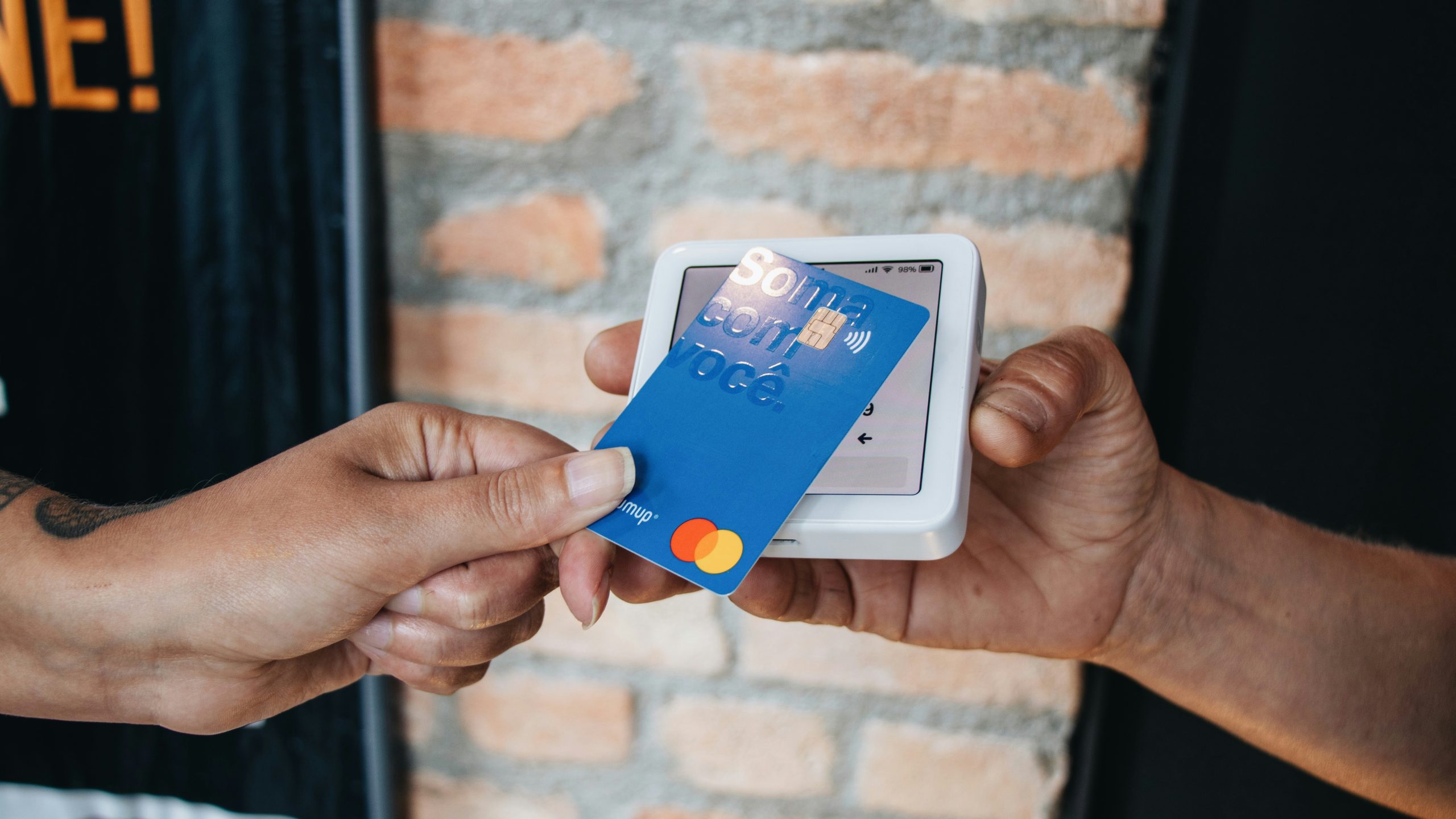
Ask ten patients how their clinic bill actually reaches the clinic, and you will get ten different answers. Insurance, deductibles, copays, card terminals, online portals, payment plans, text-to-pay links. Healthcare billing has quietly become one of the most complex payment flows in any industry.
Vellis News
22 September 2025
The 4 PCI Compliance Levels Explained
At its core, PCI compliance is all about protecting sensitive customer data and ensuring that payment transactions remain secure. The PCI DSS (Payment Card Industry Data Security Standard) framework defines four PCI compliance levels, which vary depending on how many transactions a business processes each year and its history of security breaches.
Selling vitamins, keto pills or any other supplements online is a massive headache because banks treat such businesses like they are selling gold bars on the moon. It’s mainly because it really is labelled as high-risk,and this “high-risk” label means one bad week of chargebacks can get your whole shop shut down overnight. To deter the stress, the goal here is simple: you need to nail your security game so the scammers don’t win and the banks stay happy. If you want to keep your processing active and healthy, you must play smart. Let’s look at how to protect your money without scaring off real buyers. This guide breaks down how to protect your nutria business while keeping the money flowing. Read on.
The High-Risk Label
To start with the basic fact, banks aren’t fans of the whole supplement world because it’s somehow considered as a legal minefield. Between shifting regulations and miracle or uncertain health claims that don’t always hold up, they see these as a liability. The biggest issue, though, is the sheer volume of chargebacks. If too many people claim they didn’t see results and demand their money back, the bank gets nervous.
This is the big gap between low-risk and high-risk. For example, a local coffee shop is low-risk as they have low fees and fast approvals because nobody disputes a latte. But in the nutraceutical line of work things are a bit different and supplement payment fraud prevention is a daily chore. For that matter, it’s of utmost importance to create a specialized nutraceutical merchant account such as Vellis has to offer just to stay afloat. It might cost you a bit more in fees, but it’s the only way to keep your doors open.
Identifying the Scams

Scammers have a few favorite ways to mess with a nutra business, and you gotta know the difference to stop them. First, there is Clean Fraud, which is the most annoying because everything looks perfect where the thief has the right name and CVV, so the filters might let it slide. Then you have Account Takeover, where a hacker gets into a real user’s account to go on a spending spree. Scammers also love the so-called “Free Trial” trap, using low-cost shipping offers to test stolen cards before they get blocked. It is all about spotting the pattern before the money leaves the door and ensuring your international payment solution is actually doing its job.
Advancing the Technology
When you’re dealing with customers all over the world, you can’t just rely on a basic checkout. A solid international payment solution is probably what you would need as it uses a tech stack that’s actually smart enough to catch a scammer before they even finish typing. Most of these systems run AI in the background to spot strange patterns, for instance, if a certain customer is using a proxy server or trying to checkout from a device that’s linked to ten other failed orders.
However, there are a few tangible ways of using tech to keep you safe, and some of them are:
- Pattern Spying: The AI looks at how a person moves on your site. If they skip the product page and go straight to a $200 checkout in two seconds, it flags them.
- Smart Routing: This is the secret sauce. Instead of sending every transaction to the same bank, the system somehow leads the payment to the bank most likely to say yes. Some banks hate nutra, while others are fine with it. Routing helps you avoid those annoying soft declines that might kill your sale.
- Risk Scoring: Every order gets a “score.” If the score is too high, the system blocks it. If it’s in the middle, it might ask for a 3DS code.
This tech makes supplement payment fraud prevention feel automatic, so you aren’t stuck manualy checking every single sale. What’s more, it also keeps your nutraceutical merchant account payment processing healthy by keeping the trash out of your system.
Fraud Prevention Strategies 101

To keep your business running, you have to protect your merchant account super closely. If your chargeback rate climbs too high, the banks will just pull the plug, and getting back online is a nightmare. You need a mix of gatekeeping and early warning systems to stay safe.
- Whitelisting vs. Blacklisting: Blacklisting is your shield; it’s a list of known “bad” emails, IPs, or countries that you block automatically. Whitelisting is more of a velvet rope, where you pre-approve “good” customers so their orders fly through.
- Chargeback Alerts: An alert system tells you the moment a customer calls their bank to complain, making them a real lifesaver. Instead of waiting for a formal dispute, you can just refund the money immediately. It feels like losing a sale, but it can save you a $30 fee and keep your score clean with whatever payment solution you might use.
To get things straight, relying only on blacklisting is a losing game because scammers change their info constantly. The best prevention hack would be to combine these lists with active alerts. By refunding a grumpy customer before it becomes a legal fight, you’re basically buying insurance for your merchant account. It’s much cheaper to lose one product than to lose your entire ability to take credit cards.
The Future Outlook for Supplement Payment Processing
At the end of the day, protecting your business should be taken for granted and some kind of deal passing-by deal. In other words, you can’t just flip a switch and assume you’re safe forever because scammers are always finding new ways to poke at your system. Staying on top of your security means you have to keep tweaking your rules and watching your data. Therefore, the best final tip is somehow simple, just be honest with your buyers. If your billing name is clear and your refund policy is easy to find, people won’t feel cheated. Most disputes happen because a customer got confused or frustrated. By being transparent and having a solid system in place, you keep your processing in good standing. Keep it human, stay alert, and don’t let the “high-risk” label slow you down.
FAQs
What makes a merchant account high-risk?
Banks label it high-risk due to heavy regulations, potential health claim disputes, and a high frequency of customer chargebacks.
How does smart routing prevent declines?
It automatically sends transactions to specific banks most likely to approve supplement sales, reducing annoying “soft” payment declines.
What is the difference between blacklisting and whitelisting?
Blacklisting blocks known bad actors (IPs/emails), while whitelisting fast-tracks trusted, returning customers to keep the checkout process smooth.
Why are chargeback alerts necessary?
They notify you before a dispute is official, allowing you to refund the customer and save your merchant standing.
How can transparency reduce fraud?
Clear billing names and easy refund policies prevent “friendly fraud” caused by customers not recognizing charges on their statements.
References
PayBy: Fraud Prevention in Real-Time Payments: Best Practices for Secure Transactions
https://www.botim.money/blogs/fraud-prevention-real-time-payments-best-practices
Trust Pair: Prevention for online payment fraud: tips and explanations
https://trustpair.com/blog/fraud-prevention-for-online-payment-tips-and-explanations
NMI: Top 5 Tips for Reducing Payments Fraud
https://www.nmi.com/blog/top-5-tips-for-reducing-payments-fraud
Sifr: Business Guide to Payment Fraud Prevention
Related Articles

Vellis News
31 March 2025
Improve Digital Payments Experience Through Customer Feedback and Reviews
Enhancing payment experiences is crucial to high-risk payment processing. Through payment processor customer feedback, you will find out problems that you need to resolve to ensure smooth and secure transactions. This article will show you how to use reviews and feedback to make payments better.
Vellis News
27 March 2025
What Is a Digital Wallet?
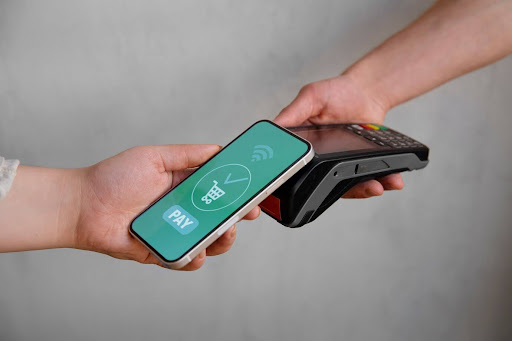
A digital wallet, or e-wallet, is a virtual version of a physical wallet that securely stores payment methods like credit cards, cryptocurrencies, and gift cards. It simplifies online and in-store purchases using technologies like QR codes and Near Field Communication (NFC).

Vellis News
20 August 2025
What Is a Merchant Acquiring Bank
A merchant acquiring bank, or simply merchant acquirer, is the financial institution that enables businesses to accept card payments (debit or credit). Its core role sits at the heart of the card payment ecosystem: authorizing, clearing, and settling transactions in a way that is both fast and compliant.
We use cookies to improve your experience and ensure our website functions properly. You can manage your preferences below. For more information, please refer to our Privacy Policy.

© 2025 Vellis Inc. Vellis Inc. is authorized as a Money Services Business by FINTRAC (Financial Transactions and Reports Analysis Centre of Canada) number M24204235. Vellis Inc. is a company registered in Canada, number 1000610768, headquartered at 30 Eglinton Avenue West, Mississauga, Ontario L5R3E7, Canada.
Vellis Inc. is a Registered MPS/ISO of the Canadian branch of U.S. Bank National Association and Elavon.