



Tokenization & Secure Wallets for Gaming Payments
From free‑to‑play mobile titles to global eSports tournaments and real‑money wagering platforms, digital games are now a complex ecosystem of commerce. Central to this evolution is how players move money: purchasing in‑game items, subscribing to premium content, or placing wagers. With this activity comes heightened concern around transaction security, fraud prevention, and user trust. That’s […]
VELLIS NEWS
2 Mar 2026
By writers
Related Articles

Vellis News
26 November 2025
Using Data Analytics to Improve BNPL Approval Rates and Reduce Risk
Nowadays, BNPL is expanding fast, and its success depends on quick decisions at checkout. To keep those decisions both smooth and safe, BNPL data analytics plays an important role by helping providers understand real behavior patterns without slowing customers down.

Vellis News
23 June 2025
How to Start an Online Supplement Store?
An online supplement store is a digital business that sells health and wellness products such as vitamins, protein powders, and herbal remedies, directly to consumers through a website or e-commerce platform. As more people prioritize fitness, immunity, and overall well-being, the global demand for dietary supplements continues to grow.
Vellis News
25 March 2025
Alternative Payment Methods: A Comprehensive Guide
Long forgotten are the days when cash and cards were the only ways to pay for something. Nowadays, an abundance of innovative technological changes has brought upon spring and professional alternative payment methods that are becoming more popular due to their speed, efficiency, and reliance. The shift from traditional (seemingly slow and boring) credit card payments to cutting-edge digital solutions has opened up numerous advantages.
From free‑to‑play mobile titles to global eSports tournaments and real‑money wagering platforms, digital games are now a complex ecosystem of commerce.
Central to this evolution is how players move money: purchasing in‑game items, subscribing to premium content, or placing wagers. With this activity comes heightened concern around transaction security, fraud prevention, and user trust.
That’s why secure gaming payments are foundational to sustaining player confidence and platform integrity.
One of the most effective ways the industry combats payment risk is through tokenization and secure digital wallets. These technologies reduce fraud, protect sensitive data, and streamline the user experience without sacrificing security.
In this article, we’ll explore how tokenization and digital wallets work, why they matter for gaming platforms, and best practices for implementing them effectively in the gaming ecosystem.
Why Security Matters in Gaming Transactions
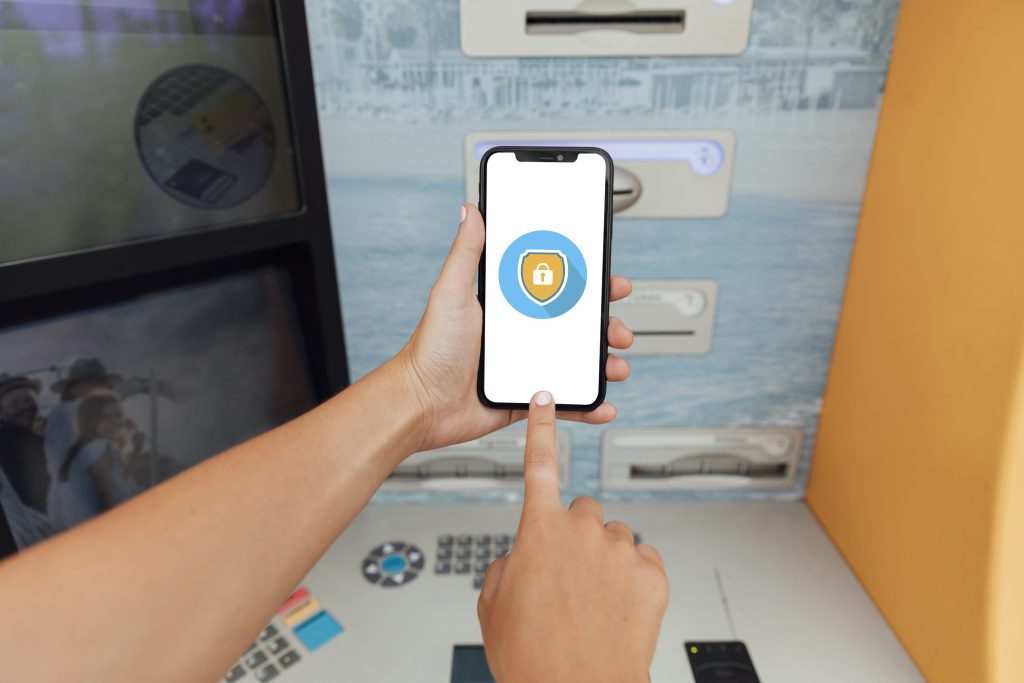
Gaming transactions are inherently digital and often card‑not‑present (CNP), which means the merchant never physically sees the payment card. Players also participate across multiple devices and networks, from mobile phones on public Wi‑Fi to consoles on home broadband.
All of these present potential vectors for attackers.
Furthermore, gaming platforms process a high volume of low‑value transactions, such as in‑game purchases, microtransactions, and subscription renewals. While individually small, these cumulatively represent significant revenue and are attractive targets for fraudsters.
The stakes are amplified in regions where real‑money gaming or wagering is legal because regulatory compliance adds another layer of complexity.
Given this, the industry has widely embraced robust security frameworks such as the Payment Card Industry Data Security Standard (PCI DSS), tokenization, and digital wallets to protect players and platforms alike.
Understanding Tokenization: The Heart of Payment Security
Tokenization is a security technique that replaces sensitive payment data with a non‑sensitive, unique identifier called a “token.” Importantly, this token has no exploitable value outside the specific transaction or merchant relationship.
How tokenization works:
- Data capture: When a player enters their card information during checkout, that data is sent to a secure tokenization server.
- Token creation: The server replaces the actual card details with a randomized token (a string of characters).
- Token use: Merchants store and use the token for future transactions, such as refunds or recurring billing, without ever storing the original sensitive information.
- Token reversal: Only the tokenization provider or payment processor can map the token back to the original card data in a secure environment.
Because tokens are worthless if stolen, tokenization dramatically reduces the impact of data breaches.
Even if attackers gain access to a token, they cannot reverse‑engineer the original payment data without access to the tokenization system.
The PCI Security Standards Council (PCI SSC) recognizes tokenization as a viable method to reduce the scope of PCI DSS compliance, particularly for merchants with large transaction volumes such as gaming platforms.
Tokenization can lower risk without compromising functionality.
Secure Wallets: Convenience Meets Protection
A digital wallet is a software‑based system that securely stores users’ payment information and allows them to make electronic transactions quickly.
Popular examples include Apple Pay, Google Wallet, PayPal, and region‑specific systems such as Alipay and WeChat Pay.
Digital wallets enhance payment security in several ways:
- Encryption: Wallets store payment credentials in encrypted form and often never send the raw card number to the merchant.
- Biometric authentication: Many support fingerprint, face recognition, or passcode validation, adding a layer of device‑level security.
- Tokenized transactions: Digital wallets frequently use tokenization internally, so the merchant receives a tokenized version of the payment data, not the actual card number.
- Real‑time authorization: Payment requests can be verified instantly, reducing fraud and declining unauthorized transactions.
Wallets streamline checkout flows and encourage higher conversion because users do not have to re‑enter payment details for every transaction.
How Tokenization and Secure Wallets Work Together

While tokenization protects the underlying payment data, secure wallets provide a protected interface for transaction initiation.
When a gaming platform integrates both technologies, they complement each other:
- Wallets authenticate the user and initiate the transaction.
- Tokenization converts the payment credentials into a secure token.
- Processors use the token to request authorization from the issuing bank.
- Funds are settled without exposing sensitive card data at any point.
This layered approach offers both security and usability for players and platforms alike.
Regulatory and Compliance Considerations
Gaming platforms often operate across multiple regulatory regimes, especially if they host real‑money play or wagering features.
Aside from PCI DSS requirements, many jurisdictions mandate specific protections around player funds and user privacy, such as:
- The European Union’s Revised Payment Services Directive (PSD2) requires Strong Customer Authentication (SCA) for many electronic payments.
- The United Kingdom’s Financial Conduct Authority (FCA) enforces strict customer data protections.
- U.S. states with legalized online gambling often impose stringent record‑keeping and anti‑money‑laundering standards.
Tokenization and secure wallets help platforms meet these requirements by minimizing the storage and transmission of sensitive data.
However, they do not replace the need for robust compliance frameworks such as KYC (Know Your Customer), AML (Anti‑Money Laundering), and responsible gaming practices.
Implementing Tokenization in Gaming Platforms
Successful integration of tokenization involves several practical steps:
Choose a trusted token provider
Many payment processors and gateway providers offer tokenization services. Selecting a partner with experience in gaming or high‑risk environments is essential.
Integrate via API or SDK
Most tokenization solutions offer developer‑friendly tools to embed token services directly into checkout systems.
Store tokens instead of card data
Replace legacy databases that store raw payment details with token references.
Manage token lifecycle
Handle token expiration, renewal, and linkage to customer accounts.
Test for security and compliance
Validate that tokenization reduces PCI scope and meets compliance audits.
In some cases, gaming platforms use a “vault” solution where tokens are stored in a secure, third‑party environment. This further reduces the compliance burden on the merchant and centralizes sensitive data in a hardened security context.
Enhancing Player Trust and Brand Reputation
Players care about security. A breach that exposes payment information can lead to lost revenue, legal liability, and widespread reputational damage.
By communicating that tokenization and secure wallets protect user data, gaming platforms can build trust and loyalty.
Clear messaging such as, “Your payment details are kept safe using advanced tokenization technology,” reassures players and demonstrates a commitment to safeguarding their financial information.
Many players actually prefer digital wallets because they abstract away card details and add device‑level security features such as biometrics.
Reducing Fraud and Dispute Costs
Fraud in gaming can take many forms: stolen card usage, account takeovers, friendly fraud, and bonus abuse.
Tokenization and secure wallets help mitigate several of these:
- Reduced stolen‑card fraud: Since tokens are not usable outside the specific merchant context, stolen tokens do not enable unauthorized transactions elsewhere.
- Lower chargeback risk: With stronger authentication and secure wallets, unauthorized use claims become less frequent.
- Improved transaction monitoring: Digital wallets often provide richer device and user context that helps fraud scoring systems.
Lowering fraud rates improves processor relationships. Many card networks monitor dispute rates and can impose penalties on high‑fraud merchants, a scenario gaming platforms want to avoid.
Considerations for In‑Game Currencies and Microtransactions
Gaming ecosystems frequently use in‑game currencies, points, or credits that players purchase with real currency. These microtransactions happen thousands of times per minute in large titles and must be secure without creating friction.
Tokenization ensures that even repeated small transactions do not expose sensitive data, and secure wallets provide seamless authorization.
Platforms can implement one‑click repurchases or auto‑renewing subscriptions without re‑asking for payment credentials, as long as token references remain valid and secure.
This balance of convenience and security helps maximize revenue while minimizing risk.
Choosing the Right Secure Wallet Integrations
Not all digital wallets are created equal. Gaming platforms should evaluate:
- Wallet adoption among target demographics: Players in different markets may prefer different wallets.
- Compatibility with tokenization systems: Integration should be seamless.
- Security features: Biometric authentication, token replay protection, and fraud analytics.
- Regulatory support: Compliance with local payment rules and SCA requirements.
Platforms often support multiple wallet types to expand global reach and provide localized payment experiences.
Future Trends: Web3, Tokens, and Beyond
Emerging technologies such as Web3 wallets and blockchain‑based tokens are gaining attention. While not a replacement for traditional payment tokenization systems, these innovations may provide additional layers of user control and decentralized security.
For example, blockchain wallets can store cryptographic keys without exposing them to centralized servers. Combined with traditional tokenization for fiat transactions, hybrid models may emerge that offer even stronger protections.
Gaming platforms exploring NFTs, play‑to‑earn models, and decentralized marketplaces should consider how tokenization principles apply across these domains to maintain secure payments and asset transfers.
As the industry grows and regulatory demands evolve, implementing robust payment security technologies will not only protect platforms and players but also position forward‑thinking developers and operators for long‑term success.
Frequently Asked Questions (FAQs)
What is tokenization in gaming payments?
Tokenization replaces sensitive card data with secure, unique identifiers that can be used for transactions without exposing real payment information.
How do secure digital wallets improve payment security for gamers?
Secure wallets encrypt payment credentials, use strong authentication like biometrics, and often support tokenized transactions, significantly reducing fraud risk.
Does tokenization affect user experience?
No, tokenization enhances security while keeping checkout fast and seamless, often enabling features like one‑click purchases and stored payment methods.
References
Folio ID. (2025). Are Digital Wallets Safe to Use? Exploring Secure Digital Wallets. https://folio.id/blog/exploring-the-security-of-digital-wallets/
PCI Security Standards Council. (2022). Payment Card Industry Data Security Standard (PCI DSS) v4.0. https://www.pcisecuritystandards.org/document_library
Visa Inc. (2025). Secure payments and tokens/digital wallets [White paper]. https://www.visa.com.pe/dam/VCOM/global/visa-everywhere/documents/visa-secure-payments-and-internet-of-things-whitepaper.pdf
Related Articles

Vellis News
27 March 2025
5 Best Inventory Management Software for Online Stores
Impeccable inventory management forms the spine of any successful online store. It’s a multifaceted process that can steer your store to greater heights with little to no hassle. However, putting in place the proper systems to manage your inventory is not an easy thing. It’s an intricate task that poses the biggest headache and threatens to ruin customer experience, sales growth, and even your brand image.

Vellis News
8 November 2025
Stablecoin Payment Processing – What Merchants Need to Know
Digital payments are evolving fast, and stablecoins are emerging as one of the most practical bridges between traditional finance and crypto.

Vellis News
14 July 2025
What is AML Compliance?
AML stands for Anti-Money Laundering, and it refers to a set of laws, regulations, and procedures designed to prevent criminals from disguising illegally obtained funds as legitimate income. AML compliance is essential for protecting the financial system from being misused by bad actors.
We use cookies to improve your experience and ensure our website functions properly. You can manage your preferences below. For more information, please refer to our Privacy Policy.

© 2025 Vellis Inc.Vellis Inc. is authorized as a Money Services Business by FINTRAC (Financial Transactions and Reports Analysis Centre of Canada) number M24204235. Vellis Inc. is a company registered in Canada, number 1000610768, headquartered at 30 Eglinton Avenue West, Mississauga, Ontario L5R3E7, Canada.